What you will learn
- Understand how different personality styles influence testing approaches
- Identify your own strengths and blind spots as a tester through the DISC lens
- Apply practical techniques to collaborate better and use personality diversity as a team strength
Session Details
- Introductory
- 3hr
- Interactive Tutorial
- Testing methods for continuous improvement
Session Speakers
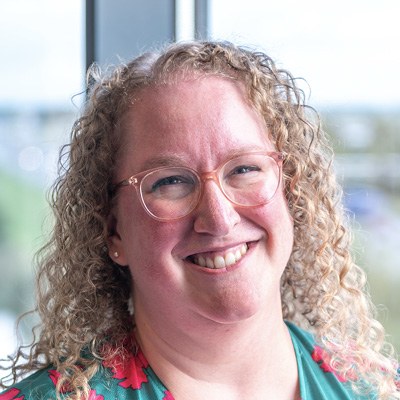
Linda van de Vooren
Bartosz ICT, Netherlands
In daily life I am an amateur (baritone!) saxophonist, and an experienced software tester. Living in the center of Netherlands, you can find me exploring nature, visiting at a concert or the theater.
I enjoy working in complex environments, and do not shy away from a challenge, whether it be complexity through technical difficulties or because of a political environment. In any free time that is left, I am an avid gamer (Nintendo!) and enjoy reading (mostly fantasy, currently).
Session Co-Speaker
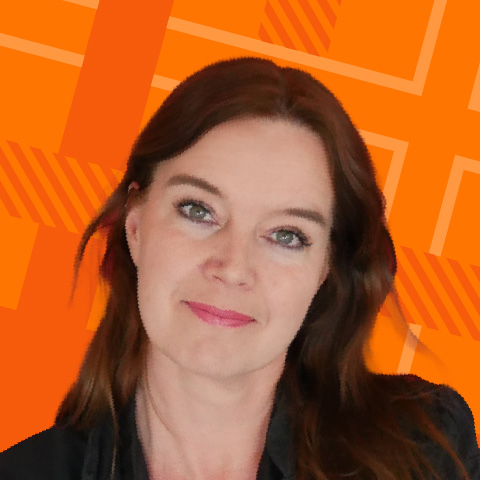
Tanja Vos
Universidad Politecnica de Valencia, Spain
Tanja is a professor at the Universidad Politecnica de Valencia (Spain). For over 25 years she has been teaching and researching in the area of software testing. She has worked with many companies on automated testing projects in an industrial setting.
Session Co-Speaker
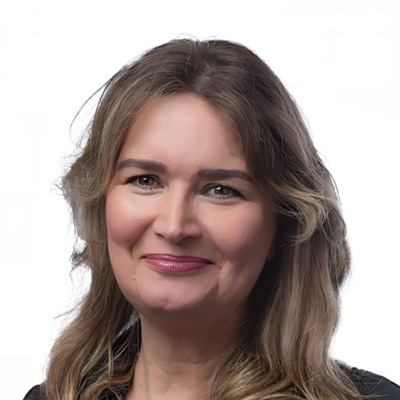
Yvonne Vos
Fatzoen Interim & Training, Netherlands
Drs. Yvonne Vos is an interim manager, certified DISC specialist, trainer, entrepreneur, and mother. She studied Economics at the University of Amsterdam and subsequently held various general management roles in both profit and non-profit organizations. With a sharp eye for organizational development, Yvonne supports teams and leaders in strengthening their communication, collaboration, and professional presence.
As a DISC trainer, she delivers training programs and workshops in etiquette, social skills, and professional conduct. Her approach is practical, accessible, and focused on immediate application in daily work.
Yvonne believes that social skills are essential for both personal and professional success, and that you can never start developing them too early. This is why she is actively involved in education, serving as a Steward trainer and contributing to programs that help young people build strong communicative and social competencies.
Stay in The Loop
Subscribe to our newsletter and never miss important announcements, updates and special offers from EuroSTAR.