What you will learn
- Insight and knowledge about the history of computing, automation and textile technology
- A perspective on the societal impact of automation through historical and current events
- Food for thought, what will happen when AI takes over automation of testing activities
Session Details
- Introductory
- 45mins
- Includes 15 mins Q&A
- Ethical implications of AI
Check out this video from Ester Greenwood to hear more about her talk on Impending Sense of Loom – The Past and Future of Automation.
We look forward to welcoming you to EuroSTAR 2026.
Session Speakers
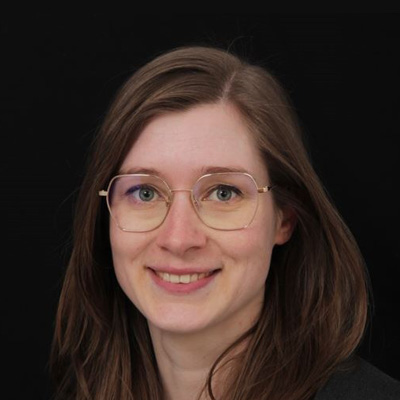
Ester Greenwood
Sopra Steria, Netherlands
What’s in a name? Some might joke that ‘Ester the Tester’ was born to be a Test Engineer. She loves to solve the puzzle of how to test, what to test and when to test. Besides testing, she regularly goes into deep-dives on subjects that spark her interest.
Get her to talk about one of her interests, and you’ll get a free lecture. Ester sees a conference talk as the perfect opportunity to learn, research and ramble to her heart’s content. At 31 years of age, with 8 years of experience in IT, she is ready to take the stage.
Stay in The Loop
Subscribe to our newsletter and never miss important announcements, updates and special offers from EuroSTAR.