• Skip to main content
EuroSTAR 2027 - Sign up for early access

EuroSTAR Conference

Europe's Largest Software Testing Conference.

  • Programme
    • Call for Speakers
    • 2026 Programme
    • Community Hub
    • Awards
  • Attend
    • Why Attend
    • Bring your Team
    • Testimonials
  • Sponsor
    • Sponsor Opportunities
    • Sponsor Testimonials
  • About
    • About Us
    • Our Timeline
    • FAQ
    • Blog
    • Organisations
    • Contact Us
  • Book Now

Software Testing

How to Measure the Value of Software Testing EXPO Trade Show Participation

September 11, 2024 by Lauren Payne

Participating in trade shows like the EuroSTAR Software Testing EXPO can be a significant investment of time, money, and resources. However, the potential benefits, including increased brand visibility, lead generation, and networking opportunities, can be substantial. To ensure that your participation is worthwhile, it is crucial to measure the value derived from the event. This blog post outlines Clare’s recommended key metrics and strategies to help you evaluate the return on investment (ROI) from participating in the EuroSTAR Software Testing EXPO.

Set Clear Objectives

Before delving into metrics, it’s essential to define your goals for participating in the trade show. These goals should align with your overall marketing strategy. Common objectives include:

  • Lead Generation: Capturing contact information of potential clients.
  • Brand Awareness: Increasing visibility and recognition of your brand.
  • Networking: Building relationships with industry peers and potential partners.

Setting clear objectives when participating in an EXPO helps us ensure we are enabling you to focus efforts, measure success, allocate resources effectively, and enhance overall strategic alignment with business goals. Clear objectives are helpful when we are helping you pick an EXPO package that best suits your business goals.

Pre-Event Preparations

To measure the value effectively, start tracking metrics before the event:

  • Budget Allocation: Document all expenses related to the event, including booth costs, travel, accommodation, marketing materials, and promotional items.
  • Marketing Reach: Assess your pre-event marketing efforts, such as email campaigns, social media promotions, and blog posts. Depending on which EXPO package you have opted for there may be pre-conference marketing activations that will also help boost your brands attendance and visibility.

Lead Generation

One of the primary reasons for attending the EXPO is to generate leads. Collecting leads is a very important part of exhibiting as well ad forging connections and networking. Key metrics to track include:

  • Number of Leads Collected: Count the total number of leads gathered during the event.
  • Lead Quality: Evaluate the quality of leads based on criteria such as job titles, company size, and level of interest.
  • Lead Conversion Rate: Track how many leads convert into actual sales or follow-up meetings, this is dependant on the actions taken post event.

Brand Awareness & Engagement

Increasing brand awareness and engagement is another crucial objective. Things to consider:

  • Booth Traffic: Monitor the volume of visitors to your booth each day, try different initiatives to encourage footfall and get involved in the EuroSTAR EXPO Passport around the EXPO. Some other ideas include running a competition or have a testing challenge.
  • Social Media Engagement: Track mentions, shares, likes, and comments on your social media posts related to the event. Always be sure to share your participation in the event. This helps build awareness and visibility for your brand
  • Media Coverage: Monitor any press coverage or mentions in industry publications resulting from your participation.
  • Swag: Keep your brand at the forefront of attendee’s minds with a cool piece of conferences swag for them to take home. Our attendees love conference swag.

Market Research & Networking

Understanding the software testing industry trends and building relationships can be invaluable. Things to be conscious of:

  • Competitive Analysis: Mingle with other exhibitors in the EXPO. Having conversations helps gain insights about other companies products and services, challenges, successes, pricing, and strategies.
  • Partnership Opportunities: Count the number of potential partnership discussions initiated.
  • Feedback and Insights: Collect feedback from conversations with attendees and industry experts to identify trends and areas for improvement.

Post-Event Follow-Up

Effective follow-up is critical to maximising the value of EXPO participation:

  • Timely Follow-Up: Ensure that leads are contacted promptly after the event.
  • Nurturing Campaigns: Implement nurturing campaigns to keep leads engaged and move them through the sales funnel.
  • Feedback Surveys: Conduct surveys to gather feedback from attendees and improve future participation.

Conclusion

Measuring the value of your participation in the EuroSTAR Software Testing EXPO requires a systematic approach and a focus on relevant metrics. By setting clear objectives from the beginning, tracking key metrics, and continuously improving your strategy, you can ensure that your investment in the EuroSTAR Software Testing EXPO will deliver substantial returns. With diligent measurement and follow-up, you can leverage EXPO participation to boost your brand, generate quality leads, and drive business growth.

To find out how you can achieve your marketing goals and more at a EuroSTAR Conferences EXPO, speak with Clare.

Clare Burke

EXPO Team, EuroSTAR Conferences

With years of experience and a passion for all things EuroSTAR, Clare has been a driving force behind the success of our EXPO. She’s the wizard behind the EXPO scenes, connecting with exhibitors, soaking up the latest trends, and forging relationships that make the EuroSTAR EXPO a vibrant hub of knowledge and innovation. 

t: +353 91 416 001 
e: clare@eurostarconferences.com 
Filed Under: EuroSTAR Conference, EuroSTAR Expo, Software Testing, Sponsor Tagged With: EuroSTAR Conference, Expo

Innovating quality: strategic approaches to complex software testing

May 31, 2024 by Lauren Payne

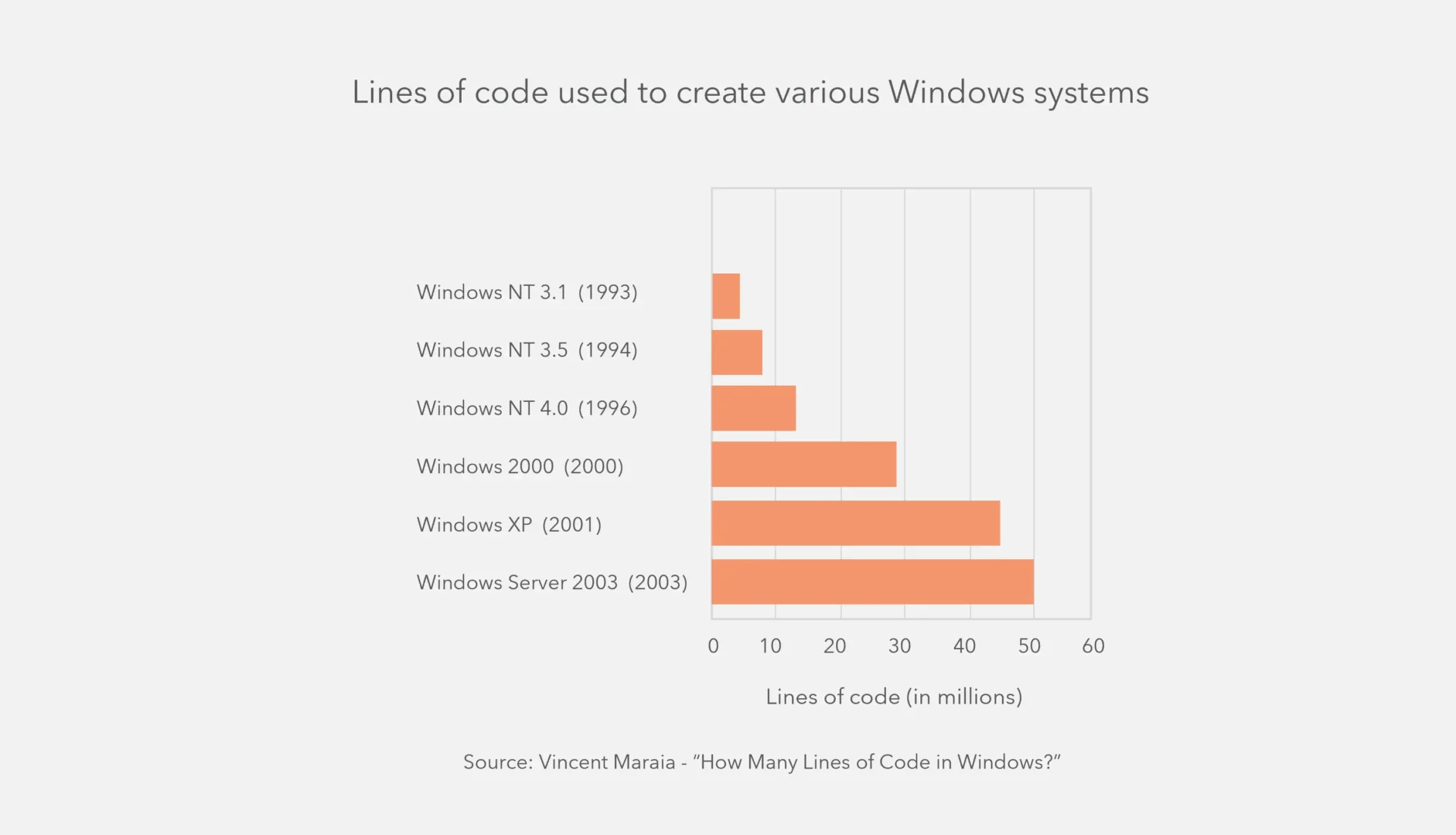
As the complexity of modern solutions increases, not only does the challenge for software developers grow, but so do the expectations for software testers. Although values such as ‘lines of code’ are not universally meaningful metrics, the following graph shows well where the journey is heading.

In the early days of computer technology, programs were relatively simple and straightforward. However, as technology advanced and software applications became more powerful, the size of code bases increased significantly. This is nothing wrong, of course, but it does provide new challenges.

Increased complexity – more bugs

As software has evolved, so has its complexity. Software systems now encompass complex architectures, sophisticated algorithms, and diverse integrations with various platforms and technologies. The demand for advanced functionalities, seamless user experiences, and robust security measures has led to the development of complex software applications. Managing this complexity requires careful design, modularization, and the adoption of architectural patterns to ensure maintainability and scalability.

While software has become more sophisticated and powerful, the presence of bugs remains a challenge. As software grows in size and complexity, the potential for defects and errors also increases. The sheer volume of code, coupled with interdependencies between modules and integration with external components, introduces a higher likelihood of bugs.

The need for faster product delivery can impact product quality

Companies are increasingly under fire to deliver software with new functionalities and improvements to stay ahead of the competition. This puts pressure on all involved roles to deploy new code rapidly, which often results in reduced testing efforts and even more bugs in production.

In today’s competitive business environment, a company’s reputation is also closely tied to the perceived and experienced reliability of its services. Even the smallest of bugs can have a significant negative impact on a company. In conclusion, testing is a crucial discipline to identify bugs before they are discovered by the end-users to secure the company’s reputation.

The crucial role of testers in product quality assurance

In this game, testers play a crucial role in safeguarding product quality by ensuring that the product meets the required standards in terms of functionality, reliability, usability, and more. This can’t be achieved just by clicking around in an application and reporting some “strange behaviors”. Testing should be a comprehensible activity based on specification, proven methods, and an overall understanding of the business context.

To ensure product functionality and quality, you need skilled people with a quality-focused mindset, who understand business processes as well as the implemented technologies and solutions. This work cannot be a “last minute” task that can be skipped in case of tight deadlines or done by any person “just available”.

Shift testing to the left and involve testers from the beginning

So, how is it possible to implement quality assurance in such a way that it does not delay the delivery date and still has an actual effect?

This requires involving experienced testers who have the capability to analyze the use cases and IT solution design. Even more crucially, they should be involved from the very beginning of the process. By challenging business ideas and identifying missed elements or flows early on and even without code, testers can help avoid wasting unnecessary resources on functionalities that may need to be changed later. This calls for close collaboration between business, testers, and developers as one team.

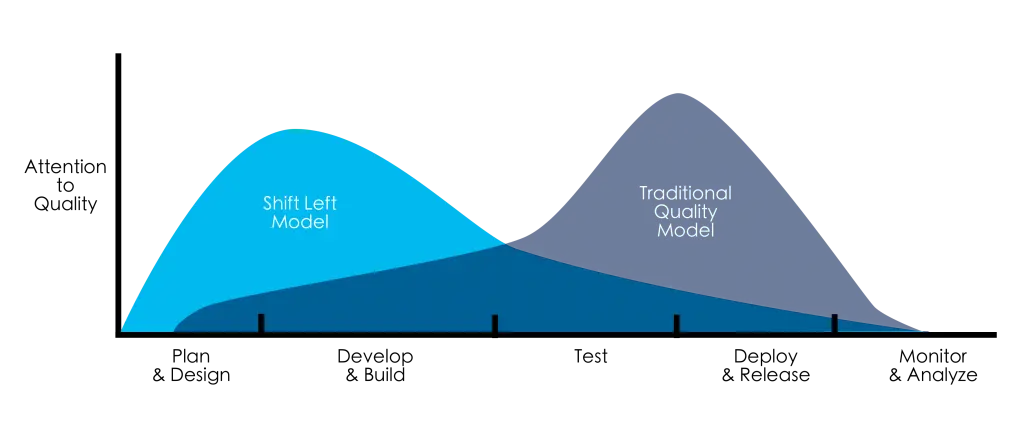
Starting testing early in the software development life cycle (SDLC) is known as the “Shift left” approach, and it comes from the idea of shifting test activities to the “left” in the development process timeline to ensure problems are detected as early as possible. Involving testers right away, starting with the requirements gathering stage, brings numerous benefits, such as early defect detection, faster feedback to developers, better collaboration between teams, and reduced business risk.

Efficient testing without excessive costs

In the realm of rapid code deployment, financial investments alone won’t solve quality issues. In addition to “Shift left” there are different methods that can ensure successful testing efforts without increasing the testing budget.

Testing isn’t just about speed; it’s a strategic blend of prioritization and disciplined collaboration. At Sixsentix, we advocate a disciplined testing approach centered on business-facing testing and business risk coverage.

With our risk-based methodology, we can clearly identify the processes and features with the greatest business impact, based on the frequency of use and potential damage that can occur as a result of failure. We perform a thorough analysis of the business, accurately determine specific business risks thanks to the combination of expertise and domain knowledge, and then prioritize testing of sensitive components.

This way, we make sure that key functionalities are swiftly checked and validated, and that the most pressing business risks are ruled out. Sixsentix combines this approach with the “Shift left”, which allows continuous testing and deployment after every change. This means that the latest updates are always released as soon as possible, without critical failures that could damage your reputation and business long-term.

Enhancing software quality through team dynamics

It’s also crucial to have a cohesive team composition, backed by a time-tested method. Our testing teams have been using our well-refined SWAT methodology, which enables them to use a systemic approach to testing.

Simultaneously, we abide by the “Tres Amigos” principle. It highlights the participation of three key roles: the product owner, the developer, and the tester, and emphasizes that these three roles are, in fact, one team, pursuing the same goals and priorities, which significantly boost the delivery of high-quality software.

Finally, in order to orchestrate and automate testing activities efficiently, we also designate a test architect for each project to define the overall testing strategy and framework and ensure they resonate with business objectives. This orchestrated effort significantly enhances the testing process, elevating software quality and ensuring a successful, reliable product.

Moving forward

Transforming quality assurance involves continuous improvement, robust collaboration, and the embrace of automation, propelling organizations towards a mature QA level where testing adapts to evolving requirements and aligns with changing organizational needs.

Let’s embrace efficient testing strategies and disciplined collaboration, striving for a future where software isn’t just fast and functional but also robust, reliable, and aligned with both user needs and business goals.

Author

Sixsentix

Sixsentix is a leading provider of Software Testing Services, QA Visual Analytics and Reporting, helping enterprises to accelerate their Software Delivery. Our unique risk-based Testing and QACube ALM Reporting and Dashboards, provide business with unprecedented quality and transparency across Software Delivery projects for faster time-to-market. Sixsentix customers include the largest banks, financial services, insurance, telecom providers and others. Sixsentix Onsite, and Nearshore (SWAT) services deliver optimized testing outcomes at significantly lower costs and help customers with scalability to keep pace with digitalization.

Sixsentix is an EXPO Exhibitor at EuroSTAR 2024, join us in Stockholm.

Filed Under: Software Testing Tagged With: 2024, EuroSTAR Conference, Expo

Autoethnographic research made me look at testing from a new angle

May 27, 2024 by Lauren Payne

Explore how autoethnographic research techniques overlap with testing behaviors and download a free template to try it yourself.

One of my favorite things about being a tester is the way testers find inspiration and techniques from outside of the testing world and integrate them into their work. In my graduate work I’ve been discovering the many ways that traditional research techniques overlap with testing behaviors, my favorite of which is autoethnographic research. 

What in the world is autoethnographic research you ask? Let’s start by looking at ethnography, the research methodology this technique grew out of. Ethnography or ethnographic research is a research method typically used in the social sciences in which the researcher embeds and immerses themselves in a group, community, or culture. In ethnography we acknowledge that researchers will always have a personal slant or bias and instead of attempting to remove bias, instead seeks to learn and empathize with the subjects of the study. Some of the ways we document our findings using this method include journaling, field notes, and narratives of our experiences and observations.

Autoethnography takes ethnographic research one step further and uses the researcher themselves as a subject in the study. Often used in the social sciences, the researcher interrogates their own feelings and experiences in a group, community, or culture. This technique is often used when a researcher is studying their own culture or community, or when they are conducting research on a study of only themselves. Autoethnographic research also uses journaling, field notes, and narratives to document observations during the study.

A couple of real life examples of this technique used in action are:

  • In James Osben’s A day in the life of a NHS nurse in 21st Century Britain: An auto-ethnography: James wrote a narrative of his day as it happened. He then used critical analysis to find the overarching themes of feelings, tasks, and behaviors in the narrative of his shift. Osben’s aim in his research was to use “reflective practice.” Reflective practice is one of the ways a researcher reflects on, contextualizes, and reframes their experiences for their research.
  • Jay Johnson Theil explored her place in academia using ethnographic methods in her research Working-class women in academic spaces: finding our muchness: Theil used photography, reflective journaling, movie quotes, and storytelling as research methods, then applied critical analysis to better understand how she really feels about her role in academia. 

Autoethnographic research works a lot like exploratory testing

If I’ve explained this well enough you may already see what I saw when first learning about this technique — autoethnographic research sounds like exploratory testing! I’ve long advocated for paying close attention to your thoughts and feelings as you work your way through an exploratory testing session. With this research method, you can take your exploratory testing even further. Here are a few ways to apply this method to your testing. 

Journal your feelings while testing. As you work your way through whatever you’re testing, focus on how you feel and what you think. Do you feel frustrated, delighted, or confused? Whatever feelings the application elicit from you, write them down as you feel them. You may also consider other types of journaling using methods like color coded or face sentiment trackers.

Use voice narration. Narrate your thoughts and feelings to a voice app or Zoom session. To make sharing the narrated session easier for your team, you can use a transcription app or speech to text.

Reflect at the end of testing sessions. If you’re more interested in overall sentiment as opposed to thoughts and feelings in the moment, consider writing or narrating a reflection of thoughts and feelings from the testing session. 

Debrief with your peers. Many teams hold debriefing sessions on a regular basis after exploratory testing. These sessions are the perfect time to share your thoughts and feelings documented in the session.

I will be the first to admit that I can’t remember what I did yesterday. Over time, I tend to forget my feelings towards the application I’m testing, which can hinder quality because my brain isn’t attune to looking for trends. Starting to use these autoethnographic techniques on an individual level will help you uncover trends in your reactions, thoughts, and feelings related to the application while you test. 

You’ll have an even more impactful and beneficial experience if you use these techniques with your team and track over time. Some ways to do so are:

  • Bug summary journal: Keeping a log of bugs you’ve found and experienced in your application along with sentiment tracking towards each bug helps demonstrate the impact on quality that you feel each bug has. This will also help you see if there are periods when you feel bugs are related to sloppy code or a lack of understanding of the problem the team is trying to solve. 
  • Daily journaling: Tracking your thoughts and feelings about the application on a daily basis will give you a timeline of your sentiment toward the application. This ongoing log gives you an opportunity to identify trends and track confidence in quality in your application over time.
  • Daily reflections: Similar to reflections at the end of a testing session, a daily reflection gives you a summary of the day. Over time, these reflections will expose trends and when compared with peers, may expose shared thoughts and feelings about the application that haven’t been identified previously. 
  • Daily sentiment tracking: A lighter lift than some of the other options that can still expose trends. Each team member tracks their sentiment towards the application each day using either faces, color codes, or other tracking methods. This simplified tracking can help demonstrate changes in confidence in quality over time.

Integrating these techniques is a great way to help your team shift from testing to quality advocacy and demonstrate your ability to identify the quality indicators that have the biggest impact on the overall health and usability of your application.

Give these techniques a try with a free downloadable template from our Github resources.

Author

Jenna Charlton, QA and Developer Advocate

Jenna is a QA and Developer Advocate. They’ve spoken at a number of dev and test conferences and are passionate about testing, agile, teams, and developing the next generation of testers

Qase is an exhibitor at EuroSTAR 2024, join us in Stockholm.

Filed Under: Software Testing Tagged With: EuroSTAR Conference, Expo

Empowering Functional Manual Testers

May 20, 2024 by Lauren Payne

Let’s be honest. The dream of 100 percent test automation often turns out to be a nightmare. After all, it’s not just about writing a few scripts. Successful test automation needs to be well thought out, requires a test architecture and, above all, time. If you let the reins slip for even a few iterations, technical debt will creep in. In the worst case, the test cases become flaky. 

Less spectacular, but just as painful in the long run, is gentle erosion. While the system to be tested is constantly evolving, the automated scripts lag behind. They may still run successfully, but over time they become less and less meaningful.

“Not true!”, you are probably thinking. “We do test-driven development.” That’s laudable, but probably only part of the truth. Because you certainly have them too – the functional manual testers who cover the upper part of the test pyramid and look at the system as a whole, perhaps even in interaction with other applications. 

The Importance of Functional Testing

Functional testing is important. Of course, as much as possible should be checked during unit testing, but to be honest: the nasty bugs are hidden between the components. An example:

An app requires 2-factor authentication for login. Therefore, an 8-digit code consisting of letters and numbers is sent by email. Unfortunately, the app only allows numbers to be entered.

This example is not made up and illustrates the difference between unit and system testing. Each component complied with its specification and was tested successfully. Nevertheless, the overall system is unusable because the error was not in the code, but in the specification. Functional testers find such errors and that is what makes them so valuable.

Manual testing has never been easy, but today, in the age of Agile, it’s a pure race against time. If they don’t want to be left behind, they need to understand the intricacies of automated functional testing. Because test automation relieves them of the repetitive regression tests and allows them to focus on the important things, such as new features.

Fundamental Principles of Effective Functional Test Design

In fact, there are several common principles that are important in both manual testing and test automation:

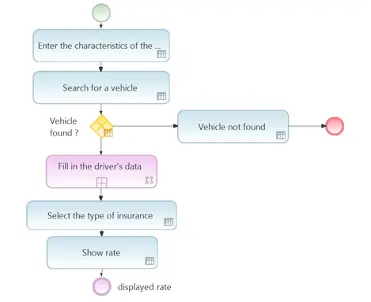
  • Clarity : Clarity is key. Structured, easy-to-grasp tests improve comprehension and minimize ambiguity, benefiting all stakeholders. Visual diagrams have long helped developers simplify complex problems. Testing can benefit from similar visualization, as functional tests mirror the intricate nature of systems under test. Visual test design definitely improves clarity, making it easier for test automation engineers to understand the business aspects of functional testing.
  • Modularity : By breaking down complex scenarios into manageable test cases, manual testers can lay the groundwork for seamless automation, ensuring that each test remains a valuable asset throughout the software development lifecycle.
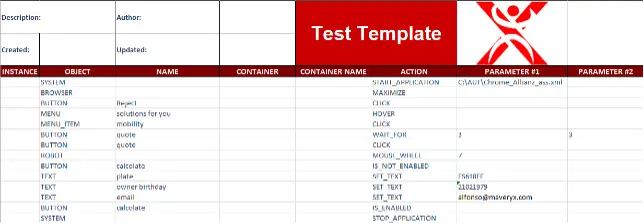
  • Maintainability : Functional tests will continue to evolve, as will the associated test scripts. Some changes affect the technical level, others the functional level. Keyword-driven testing is a proven method of separating these two levels. Manual testers can thus contribute to the maintenance of automated tests without having to program themselves.

The goal of an effective, functional test design must therefore be to develop tests that are easy to maintain and update.

Transitioning from Manual to Automated Execution

Automation is often viewed as process optimization, as it takes over error-prone, repetitive tasks. Testers can use the time gained to focus on those tasks that require human judgment. Executing existing tests repeatedly following the accelerating rhythm of testing cycles is certainly not a mentally demanding task. The dumb writing down of test procedures is not a great intellectual accomplishment either. The real value lies in the preliminary considerations: What situations could occur? How should the system behave in this case? What can I do to push the system beyond its limits? Automation is therefore also a helpful and welcome support when creating test cases.

Studies[1] show that the combination of intellectual performance in test design and automated test execution not only increases test speed, but also the coverage of requirements and code. In general, the reliability of tests is increased when automated scripts support manual testers, especially in lengthy tests. This can be seen very clearly in load and performance tests, which are unthinkable without automation.

An intelligent automation strategy effectively balances human expertise with automated tasks.

A Practical Case Study – Yest Augmented by Maveryx

In this example, we show the successful marriage of two concepts represented by Yest and Maveryx.

Yest is a visual test design tool that implements a modern form of model-based testing (MBT) and test generation. Yest offers a whole range of functions to enhance the creative work of test design and speed up the painstaking task of writing test cases. Yest itself is agnostic, meaning that the generated scenarios may be used both for manual and/or automated test execution.

Maveryx is an automated software testing tool that provides functional UI, regression, data-driven and codeless testing capabilities for a wide range of desktop and Web technologies. Its innovative and intelligent technology inspects the application’s UI at runtime as a senior tester does. With Maveryx, there is no need for code instrumentation, GUI capture, maps and object repositories.

From Visual Test Design for Manual Tests…

With Yest Augmented by Maveryx, the functional manual testers concentrate on creating graphical workflows and define actions including the expected results for the various cases to be tested. Yest then generates test scenarios from these workflows and the stored information, which can be executed directly manually.

…to Automated On-The-Fly Test Execution

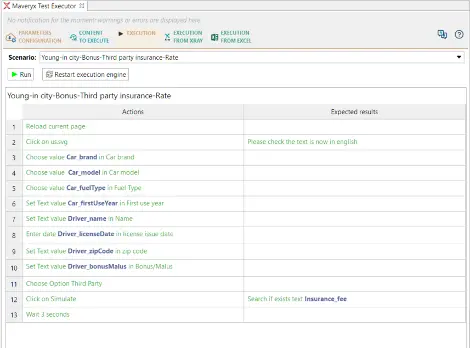
But can they also be automated and, if so, what results can we expect? This is where Maveryx comes into play. All you have to do is to provide a detailed instruction of manual steps in Yest. Yest Augmented by Maveryx recognizes these instructions for manual execution (for example “Click on Submit”) and executes them automatically.

If a step is not interpretable or fails, Yest Augmented by Maveryx stops and waits for manual input. You may then abort the test or do the necessary steps manually and continue. The execution results are reported in Yest Augmented by Maveryx or in the test management you read the test cases from.

Use Cases

Yest Augmented by Maveryx serves in various situations:

  1. Hardening the test procedure : Manual tester may execute their tests without having to code a single line of code. This provides them with rapid feedback on the quality of their tests. No more tedious analyses and hot disputes about whose fault it was.
  2. Executing manual tests directly from Xray or MS Excel : During official test runs, manual testers can call upon Yest Augmented by Maveryx to do part of the work. In fact, it is possible to import tests from Xray or MS Excel and execute them even without having used Yest Augmented by Maveryx for test design.

As functional manual testers embark on their automation journey, they will gain valuable insights into creating robust, maintainable test suites that stand the test of time.

Conclusion

This blog aims to guide manual functional testers through the complicated process of developing functional tests and harnessing the transformative power of automation. In an age where software development demands agility and speed, understanding the intricacies of automated functional testing is critical for testers looking to optimize their workflows.

Clarity, modularity and maintainability are key success factors for a successful transition from manual to automated test execution. Visual test design and model-based test case generation pave the way to structured tests and complete coverage. With the right tool support, it is possible to carry out these tests automatically without having to write a single line of code. Yest Augmented by Maveryx provides this support. Contact us to learn more at info@maveryx.com or contact@smartesting.com


[1] Khankhoje, Rohit. (2023). Revealing the Foundations: The Strategic Influence of Test Design in Automation. International Journal of Computer Science and Information Technology. 15. 10.5121/ijcsit.2023.15604.

Authors


Alfonso Nocella
, Co-founder and Sr. Software Engineer at Maveryx 

Alfonso led the design and development of some core components of the Maveryx automated testing tool. He collaborated in some astrophysics IT research projects with the University of Napoli Federico II and the Italian national astrophysics research institute (INAF). Over the decades, Alfonso worked on many industrial and research projects in different business fields and partnerships. Also, he was a speaker at several conferences and universities.

Today, Alfonso supports critical QA projects of some Maveryx customers in the defense and public health fields. Besides, he is a test automation trainer, and he takes care of the communication and the technical marketing of Maveryx.


Anne Kramer
, Trainer and Global CSM at Smartesting

Anne Kramer first came into contact with model-based test design in 2006. Since then she has been burning for the topic. Among other things, she was co-author of the “ISTQB FL Model-Based Tester” curriculum and lead author of the English-language textbook “Model-Based Testing Essentials” (Wiley, 2016).

After many years of working as a process consultant, project manager and trainer, Anne joined the French tool manufacturer Smartesting in April 2022. Today, she is fully dedicated to using models for testing purposes. This includes visual test design and, more recently, generative AI.

Maveryx is an Exhibitor at EuroSTAR 2024, join us in Stockholm.

Filed Under: Software Testing Tagged With: 2024, EuroSTAR Conference, Expo

How to Build a More Valuable End-to-End Testing Strategy

May 17, 2024 by Lauren Payne

End-to-end testing is one of the most effective ways software teams can understand the customer experience. Unlike unit or component testing, which focus on individual pieces of the application, E2E tests seek to understand product quality as an integrated journey. In many ways, end-to-end testing exemplifies the expanding role of software testing in a DevOps world: the crucial connection between how software is built and how it is used. When development teams understand how their changes will impact their end users, they’re better able to deliver value to those customers. When automated effectively, end-to-end testing provides this connection quickly enough to support continuous delivery.

But the shift to digital-first experiences means that end-to-end testing needs to evolve and expand, running contrary to established testing best practices. Even a simple user journey, such as the one outlined below, likely involves multiple third-party APIs and services as well as email touchpoints and personalized offers or recommendations. Development teams must build seamless user experiences that make a complex customer journey feel simple. Expanding the definition of end-to-end testing ensures they can do so successfully. But with traditional testing frameworks, complicated automated testing meant a high risk for broken tests, extra maintenance, and inaccurate results, which ultimately slowed down development pipelines. Quality teams instead opted for shorter, simpler end-to-end tests that were less likely to break as the product evolved. But the holistic view provided by true end-to-end testing is extremely valuable – if quality teams have the tools to manage them.

New Customer Journeys Demand Broader End-to-End Testing

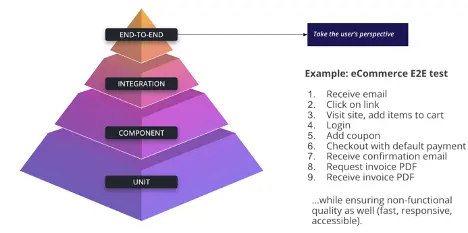
the testing pyramid and an example end-to-end test for an ecommerce website

The image above includes an example of an end-to-end test for an ecommerce website. Despite this being a fairly simple – and common – transaction, an automated test needs to cover a marketing email, a coupon code, and an invoice email with a PDF attachment. But the story doesn’t end there: it’s extremely likely that the checkout test step includes an API for a payment service like Square or Afterpay. It’s also likely that coupon codes are personalized for customers, given that loyalty programs with customized rewards are proven to increase consumer spending.

Skip these steps, and there is a real risk to revenue. If a marketing email fails to accurately show a customer’s coupon code, conversion rates will suffer, impacting sales and potentially churning previously loyal customers. Managing this type of comprehensive test is essential for supporting quality customer experiences.

The Challenges of Comprehensive End-to-End Testing

Though the above end-to-end test is critical for understanding the user experience and how each change will impact it, such tests pose several challenges for developers and software testers. First, maintaining such an extensive automated test with scripted test automation frameworks is likely to consume a significant amount of a testing team’s time and effort, which has a serious impact on an organization’s ability to accelerate product velocity. Since additional test steps increase the risk of a test breaking, most quality teams avoid creating longer end-to-end tests in order to reduce the burden of test maintenance. But what they gain in reliability, they lose in test coverage.

Second, comprehensive automated tests often require longer investigations into failures. Combing through a long list of test steps to identify the specific cause of a test failure can take valuable hours, a luxury development teams don’t have as delivery cycles shorten. Considering that 44% of developers say that investigating failed tests is a significant pain point, quality teams must have effective strategies in place to triage comprehensive end-to-end tests when necessary.

Maintaining More Complex End-to-End Tests

An end-to-end test covering email, API, and non-functional test steps is highly susceptible to any product changes, but advances in AI and machine learning have reduced the amount of time and effort needed to maintain automated tests, making it possible for quality teams to manage comprehensive end-to-end tests. Using unique identifying elements across an application’s UI, including shadow DOM components, intelligent test automation solutions can detect product changes and update end-to-end tests accordingly.

Automating end-to-end test maintenance not only ensures that test maintenance is less labor-intensive, but also allows more team members to contribute. For example, manual testers can more easily collaborate on E2E tests that contain integrated API tests, ensuring that comprehensive end-to-end tests capture the full user journey and accurately assess quality.

Reporting on End-to-End Testing

Even when end-to-end tests are maintained, identifying the root cause of an error can be time-consuming, causing delays and disruptions in the later stages of the SDLC. Rapid results that support fast bug resolution is critical for delivering exceptional user experiences at the speed of DevOps.

Advances in cloud-based testing and the availability of SaaS test automation tools are making it easier to scale and maintain comprehensive end-to-end testing strategies. Cloud-based runs give in-depth insights that support continuous improvement, and can be run on a schedule or as part of a CI/CD pipeline. Flexible execution options make it possible to routinely and reliably run comprehensive end-to-end tests without slowing development. But perhaps even more importantly, integrating end-to-end test automation into existing development workflows allows developers to quickly act on end-to-end test results.

Building workflows that surface comprehensive end-to-end test results in a digestible way supercharges their value. Sharing test results as Jira tickets, complete with screenshots of the point of failure, DOM snapshots, and performance logs, is ideal for triaging comprehensive end-to-end tests since developers can easily identify what test step caused the failure. The time from failure to fix becomes much shorter, making comprehensive end-to-end tests highly actionable.

The Future of End-to-End Testing

comprehensive end-to-end tests are often considered too time-consuming to provide real value to development teams. But their ability to ensure quality of the perspective of the customer is invaluable, even essential, in a time where every business is competing on their digital customer experience. Overcoming test maintenance, execution, and investigation obstacles to comprehensive end-to-end tests gives development organizations a powerful tool for understanding how changes will impact their users. And with the right test automation solution, end-to-end testing becomes an adaptable process that can continuously evolve to match real customer needs. A few examples include automated accessibility checks, integrated API tests, shadow DOM components, and cross browser testing. No matter what your customers need, comprehensive end-to-end tests will help your team deliver exceptional user experiences. 

Author


Bridget Hughes., Content Marketing Manager at mabl

Bridget is the Content Marketing Manager at mabl, the unified test automation platform for delivering modern software quality. She’s dedicated to helping quality teams expand testing and improve product quality through educational blogs, articles, and the occasional software testing meme.

Mabl is an Exhibitor at EuroSTAR 2024, join us in Stockholm.

Filed Under: Software Testing Tagged With: 2024, EuroSTAR Conference, Expo

Operationalizing BDD Scenarios Through Generative AI

May 13, 2024 by Lauren Payne

Behavior Driven Development (BDD) is a well-regarded way to write application requirements as scenarios that describe the behaviour in various contexts. BDD evolved from the agile movement and its emphasis on Test-Driven Development (TDD) to take things one step further than simple user stories and document a user’s behaviour when they use a system.

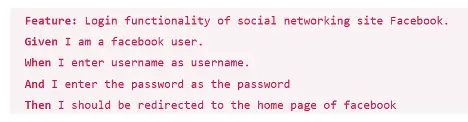
Typically using the Gherkin syntax, a user scenario in BDD is written the following way:

  • Given: the initial context at the beginning of the scenario, in one or more clauses;
  • when: the event that triggers the scenario;
  • then: the expected outcome, in one or more clauses.

Gherkin is a business readable language that helps you to describe business behavior without going into details of implementation. It is a domain-specific language for defining tests in a standardized format for specifications. It uses plain language to describe use cases and allows users to remove logic details from behavior tests. For example:

The primary benefit of BDD is that it encourages communication between developers and other stakeholders, such as product owners and users. BDD helps bridge the gap between technical and non-technical stakeholders by providing a common language for discussing the behavior of the system. By using this language, stakeholders can understand each other’s needs and expectations, leading to better development decisions.

In addition to being a useful way of describing a requirement specification, the text in the Gherkin language acts as both documentation and the skeleton of your automated tests. For example, test automation engineers often take the Gherkin scenarios and use a framework like Cypress or Robot Framework to turn these high-level user interactions into executable test automation scripts. However, this process is manual and can be time consuming, with the automation engineers having to hand-write large amounts of Python or JavaScript to turn one BDD scenario into a functioning automated test.

Enter the Power of Generative AI

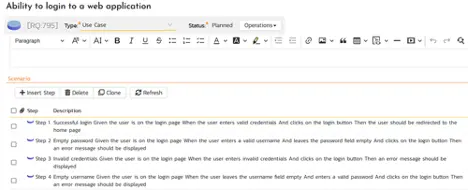
With Generative Artificial Intelligence (GenAI), you can use the power of Large Language Models (LLM) to automate a lot of this process. Currently, our SpiraPlan quality and test management system uses GenAI to automatically generate BDD scenarios, test cases, and risks from simple agile user stories:

Figure 1: BDD Gherkin Scenario Generated by AI.

However, this is just the beginning of what will soon be possible!

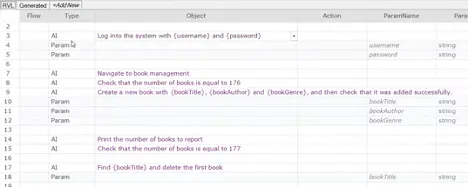
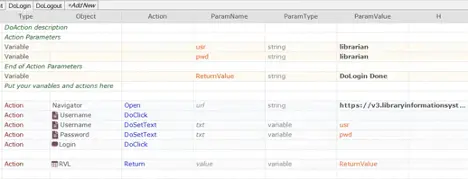
Using the latest LLMs such as GPT4, we can pass in the BDD scenario text as a prompt to the LLM and it will generate a set of page objects and associated page object models functions/methods. This means that a simple human-readable scenario can automatically turn into a Selenium-style set of page object model function calls.

Figure 2: A Human readable scenario

Figure 3: An automated test script using page objects, automatically generated by AI.

Finally, when you feed either in a specially tagged image of the application or a reduced version of the page DOM (to avoid using too many GenAI tokens), the LLM is able to implement each of the page object model functions into the appropriate code to interact with the application and test its user interface. These could be either image-based clicks or WebDriver-style CSS selectors depending on what you used to prompt the model.

This means we are close to having the holy grail of taking a BDD scenario and automatically converting it into an 80-90% ready-to-run automated testing script.

What is the Role of Testers?

As we often say, GenAI is not here to replace humans, but instead to assist. If we consider this new Human-AI team, the human testers’ job is to create/review scenarios from the AI, review and optimize draft automation code from the AI, and look for weaknesses, edge conditions, and missing cases. Working together, the Human-AI team will be able to reduce higher-quality applications in a faster time than ever thought possible!

Author


Adam Sandman, Director of Technology at Inflectra

Adam Sandman has been a programmer since the age of 10 and has been working in the IT industry for the past 20 years in areas such as architecture, agile development, testing, and project management. Currently, Adam is a Director of Technology at Inflectra, where he is interested in technology, business, and enabling people to follow their passions. At Inflectra, Adam has been responsible for researching the tools, technologies, and processes in the software testing and quality assurance space. Adam has previously spoken at STARWEST, Agile + DevOps West, STPCon, Swiss DevOps Fusion, InflectraCon, TestingMind, EuroSTAR, Agile Testing Days, and STARCANADA.

Inflectra is an Exhibitor at EuroSTAR 2024, join us in Stockholm.

Filed Under: Software Testing Tagged With: 2024, EuroSTAR Conference, Expo

AI Shift-Left, Test Right

May 8, 2024 by Lauren Payne

Why AI Needs a Multimodal Test Strategy!

It seems as though every organization is infusing artificial intelligence (AI) into its applications and processes these days. And why wouldn’t they? Generative AI and large language models (LLMs) have made it easy to integrate AI and machine learning (ML) capabilities into digital experiences, tools, frameworks, platforms, and more.

Some of these AI-based systems are now multimodal, meaning they combine different forms of data to make predictions and draw insights about real-world problems. Multimodal AI trains on and utilizes a combination of images, video, text, speech, audio or numerical data. For example, GPT-4 Turbo makes it possible to feed an image to the model with a text prompt, or request that visuals be used to support an explanatory response.


Beyond the context of AI (pun intended!), multimodality simply refers to activities having different modes. As such, there are many things that can be described as multimodal. Software testing, for example, is multimodal because there are several types of testing, each with formal and informal techniques, methods, and supporting tools. However, for many years the testing industry has been focused on what I consider to be a single mode of testing — pre-production testing. That is, testing that occurs prior to the release of a system or component.

Proponents of the shift-left testing mindset, including myself, advocate for paying attention to quality as early as possible in the software development lifecycle to reduce the cost and impact of late or escaped defects.

For AI-based systems, a pre-release testing strategy that emphasizes shifting left is important. However, because of its dynamic nature, it is equally important to test AI on the right, post-release, commonly referred to as production testing. This is the first article in a two-part series that describes a multimodal testing strategy for AI based on one of our mantra’s at Test IO — Shift-Left, Test Right!

Shifting AI to the Left

So what does a shift-left, pre-production testing model for AI systems look like?

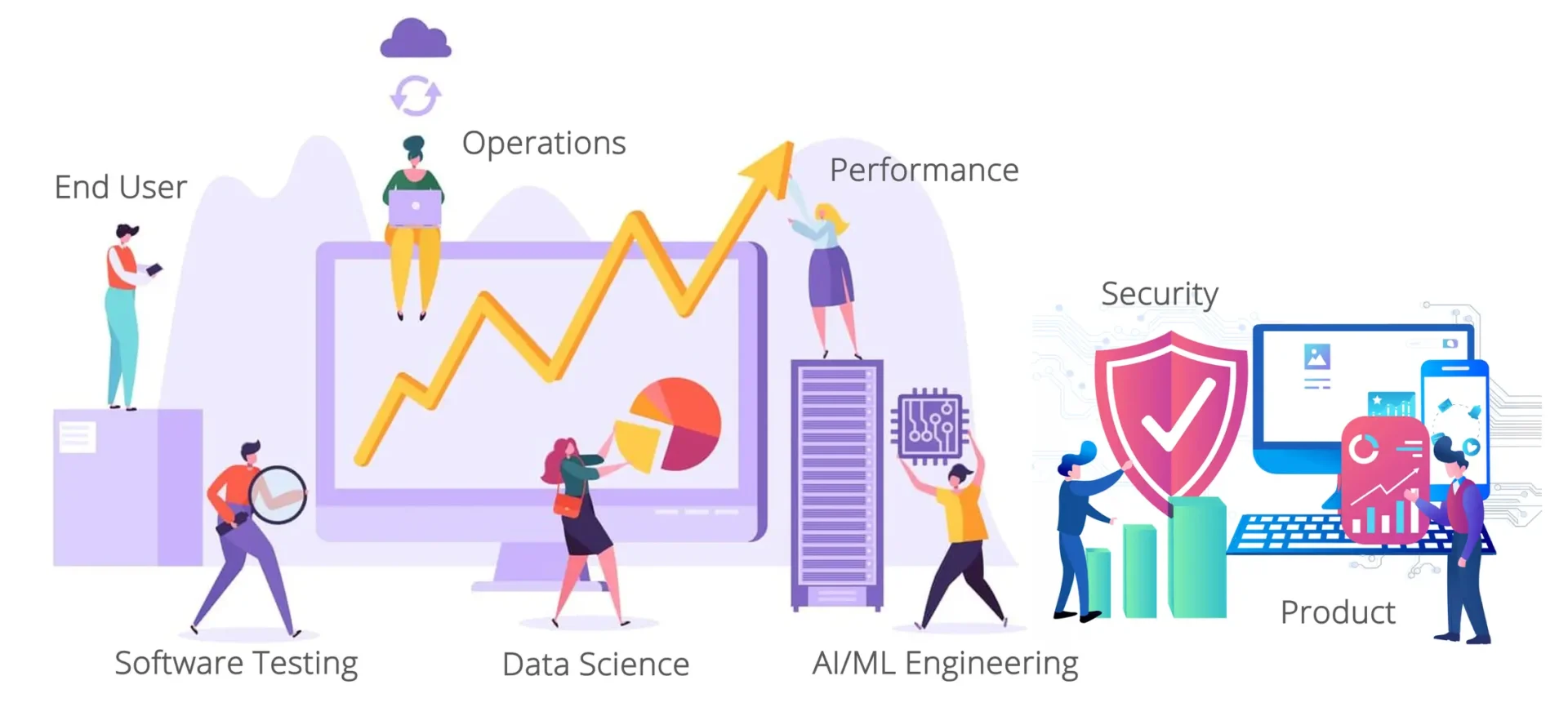
It starts with understanding that a good testing strategy for AI must be holistic, and include the perspectives of product, engineering, data science, testing, performance, security, operations and the end user community.

A Holistic Quality Perspective for AI

With key stakeholders at the table, you can now begin applying a systematic, disciplined, and quantifiable approach to AI software development.

Foundational AI Engineering Practices

In 2019, the Software Engineering Institute (SEI) of Carnegie Mellon University published a set of Foundational Practices for AI Engineering. Here are a few of them that I paraphrased and can attest to have lived out in a former life as a Chief AI Scientist:

  • AI Problem First, Then Solution — Leveraging AI may often result in a more complex and expensive solution than a non-AI alternative, and therefore it is important to start with a well-defined problem that requires an AI solution. On the upside, the resulting AI solution may end up being more robust so it is important to weigh all of these factors into your decision.
  • Choose Algorithms Based on Needs, Not Popularity — Select algorithms based on their appropriateness for solving the problem being tackled, not on their popularity. AI and ML algorithms may differ in the kinds of problems they address, level of detail of the output, interpretability, and robustness. Avoid using algorithms as “shiny new toys” and only change them to meet the needs as the system evolves or to adapt it to a new environment.
  • Rule Your Data, Or Be Ruled By It — The output of an AI system is generally tied to the data used to train it. If you don’t take your data seriously it can consume the entire project. Make sure you allocate sufficient time and effort for managing your data, accounting for the need for data ingestion, cleansing, protection, validation, testing, and monitoring.
  • Design AI for Ethics and Security  — While data collection often raises questions concerning the privacy of AI, there are other ethical issues that should be addressed early during development. These include both fairness in data representation and decision-making based on diversity factors such as age, gender, ethnicity, disability, and more.
  • Implement Flexible, Extensible Solutions — The boundaries of components in an AI-based system are more sensitive to change than those in traditional software. This is because data dependencies in AI systems may trigger changes in the expected outputs, system functionality, and infrastructure. It is therefore imperative to implement loosely coupled, flexible solutions to be able to keep pace with inevitable changes in the data, models, and algorithms.

To ensure that the aforementioned AI engineering practices are followed and implemented correctly, there should be validation and verification at each stage of the development process. In other words, the notion of continuous testing must be applied to AI software development.

Continuous Testing During AI Development

Applying continuous testing to AI development may require bringing a testing mindset to the stakeholders involved in development and/or having testers wear multiple AI development-related “hats”. Aspects of AI development that can be validated early as part of shift-left include testing the training process and testing the training data.

Testing the Training Process

Data scientists or AI/ML engineers are typically responsible for training the system. Although the strategy for continuous testing will depend on the specific type of machine learning being used, there is a general concern that should be addressed:

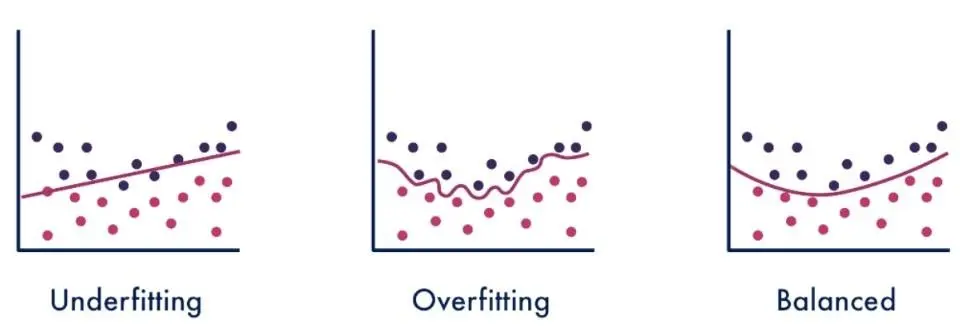
Model Fitting — during the training process, the selected model is fit on the training data in order to make predictions. In ML, fit refers to how well the model is able to approximate a given function. As shown in the figure, a model may be underfit, overfit or have a balanced fit.

  • Underfitting is when the model has not been trained enough and therefore misses the trends in the training data. This can happen if you have too little data or a very simple model.
  • Overfitting is when the model how has been trained too much and therefore matches too closely to the training set. In such cases, the model may be capturing noise in the data instead of, or in addition to, the underlying data pattern. This can happen when the model trains too long or is too complex.
  • Balanced Fitting is when the model has been trained “just right” and there it is a good approximation of the true function, which represents a solution to the problem under investigation.

Understanding the notion of model fitting repreents the tip of the iceberg when it comes to validating the training process. However, it should be clear that if testers are going to contribute to this aspect of shift-left, they will have to ramp up on data science and AI/ML engineering. Unlike the training process, data is an area of AI/ML that testers are likely to be able to add value to with little or no lead time.

Testing the Training Data

Software testers deal with data all the time, and although it may not be for the same purpose, many of the issues encountered with training data are similar to those for test data. Furthermore, a common technique for testing ML systems during development involves partitioning the dataset into a training set and a test set. Therefore, some of the data problems related to AI/ML development, directly correlate with the test data selection and test data management issues. These include, but are not limited to:

  • Duplicate Data
  • Outdated Data
  • Incorrect Data
  • Incomplete Data
  • Inconsistent Data
  • Insecure Data
  • Non-Representative Data

The testing mindset provides on added superpower when it comes to data — the end user’s perspective. User empathy is commonly cited as one of the traits of a good tester. It enables one of the most important activities surrounding the validation of training data — assessing AI fairness.

One of the key goals of evaluating AI fairness is to answer the question: Are there groups of people who are disproportionately, negatively affected by the system. A quick AI fairness-related check is to inspect the sample size distribution of the input features and/or outcomes, especially for sensitive attributes like age, gender, race, among others.

Assessing AI fairness goes way beyond spot checking sample size distributions. In fact, most of the tech giants are associated with the development of tools and frameworks to support testing AI applications for fairness issues. These include Fairlearn, AI Fairness 360, and the What-If Tool.

Summary

This article explored the concept of shift-left testing as it may be applied to AI systems. Shifting AI to the left requires thinking holistically about testing these types of systems, and rooting their development in foundational engineering practices. Validation of the training process and training data, among other activities, should be integral to AI development. However, this type of pre-production testing for AI only represents a single-mode of activities.

Stay Tuned.

Author


Tariq King, CEO and Head of Test IO

Tariq King is a recognized thought-leader in software testing, engineering, DevOps, and AI/ML. He is currently the CEO and Head of Test IO, an EPAM company. Tariq has over fifteen years’ professional experience in the software industry, and has formerly held positions including VP of Product-Services, Chief Scientist, Head of Quality, Quality Engineering Director, Software Engineering Manager, and Principal Architect. He holds Ph.D. and M.S. degrees in Computer Science from Florida International University, and a B.S. in Computer Science from Florida Tech. He has published over 40 research articles in peer-reviewed IEEE and ACM journals, conferences, and workshops, and has written book chapters and technical reports for Springer, O’Reilly, Capgemini, Sogeti, IGI Global, and more. Tariq has been an international keynote speaker and trainer at leading software conferences in industry and academia, and serves on multiple conference boards and program committees.

Outside of work, Tariq is an electric car enthusiast who enjoys playing video games and traveling the world with his wife and kids. 

EPAM is an Exhibitor at EuroSTAR 2024, join us in Stockholm.

Filed Under: Software Testing Tagged With: 2024, EuroSTAR Conference, Expo

Lowering Testing Barriers with Computer Vision-Based AI

April 30, 2024 by Lauren Payne

The constant surge in digital transformation forces organizations to perform tests on an increasing number of platforms but still get results as quickly as possible. Manual testing just can’t keep up with the speed of business, so teams turn to test automation. But traditional software testing tools are only effective to a point. Generally, these tools rely on identifying objects on the screen through their internal representation—e.g., coordinates, class name, type, and many other. This method of identifying objects can be very fragile. Even a small change might result in the tool failing to find the object. The drawbacks of these techniques prevent teams from scaling their test automation efforts up to the levels they require.

To that end, the most common test automation challenges include:

•      Relentless test maintenance—Tests that rely on unique object properties can be susceptible to breaks, thereby making testers perform regular updates to ensure their tests still run on each supported environment.

  • Test execution time is too long—Even if a test set runs without interruption, it can take a significant amount of time to run all the tests to completion.
  • Insufficient test coverage—Teams must support an ever-expanding range of platforms, devices, and operating systems, requiring testers to customize the tests for each environment.
  • Test creation fatigue—It takes time to build and design effective tests, with much effort required to uniquely identify on-screen objects that are part of the test.

What our research at OpenText revealed was that automated object detection with computer vision is key to lowering these barriers.

Computer Vision-Based AI for Automated Object Detection

Recognizing objects without knowledge of their internal representation is one key objective to developing an AI engine. This goal can be accomplished by combining AI-based algorithms that accurately and consistently recognize objects regardless of device or environment.

For example, a test step might require clicking the shopping cart icon on a mobile app. The AI engine should be able to locate the shopping cart icon on the current screen without knowing:

  • If the screen is on a mobile device.
  • Whether the device is running Android or iOS.
  • If the screen is a desktop browser.
  • Whether it’s Chrome, Firefox, Edge, or another browser.

The ability to “Click the shopping cart” step should work under any circumstance with an AI engine using computer vision through an artificial neural network and optical character recognition.

Why Computer Vision?

An AI engine understands a screen’s composition and breaks it down into the unique objects that it contains. Additionally, the AI engine knows nothing about the implementation of the object. It treats the object as an image, regardless of the device or platform it comes from. As such, a powerful computer vision tool is needed and should be supported by an artificial neural network (ANN), a layered structure of algorithms that classify objects. It will train the ANN with many visual objects, resulting in a model that identifies objects it will likely encounter in applications under test (AUT). Thus, when the AI engine is tasked with locating a specific object, it utilizes the model to identify a match in the AUT.

In terms of architecture, a best practice is to implement the AI engine as a separate module. Rather than restricting it to a specific product, any product can theoretically use the engine.

OCR-Based Identification for Text Objects

AI engines also need to leverage OCR to identify text-based objects. These objects may themselves be part of the test, or they could function as a hint to identify the object’s relative location. This capability is useful if an object appears multiple times on a screen. For example, a login screen might have two text boxes, one for the username and one for the password. OCR helps identify which of the edit boxes is which. OCR can also identify a button by its textual caption.

Lowering and Removing Test Automation Barriers

AI-based test automation reduces the time it takes to build and design tests because objects are identified simply by looking at them. AI algorithms lower skill barriers because they identify most objects and are hidden from the user. Teams can also use the same test without modification on different devices and platforms. They simply procure an appropriate device and run the test on it as-is. And because the algorithm doesn’t rely on an object’s underlying implementation and properties, the test keeps running even if there is a change. If the test’s flow stays the same, the test will continue to run.

The final barrier yet to be removed completely is test execution time. Tests will always take a finite time to run; hence there is a lower limit on the amount of time they take. However, AI-based testing helps teams test earlier and provides robust mechanisms that parallelize and optimize test execution, reducing the wait time for results.

Author


Michael O’Rourke
, Product Marketing Manager, DevOps Cloud 

Michael O’Rourke is a product marketing technologist in cloud, enterprise software, and DevOps. His diverse background derives from 20 years of experience at HPE, IBM, T-Mobile, Micro Focus, and more. He holds a degree in Management Information Systems and is a certified Product Owner, Scrum Master, PMP, and Pragmatic Marketing practitioner. He is also an international speaker, trainer, and blogger. At OpenText, Michael drives the development and execution of go-to-market strategies for OpenText’s DevOps Cloud. 

OpenText is an EXPO Gold Sponsor at EuroSTAR 2024, join us in Stockholm.

Filed Under: EuroSTAR Expo, Gold, Software Testing Tagged With: 2024, EuroSTAR Conference, Expo

  • « Previous Page
  • Page 1
  • Page 2
  • Page 3
  • Page 4
  • Page 5
  • Next Page »
  • Code of Conduct
  • Privacy Policy
  • T&C
  • Media Partners
  • Contact Us

part of the