• Skip to main content
EuroSTAR 2027 - Sign up for early access

EuroSTAR Conference

Europe's Largest Software Testing Conference.

  • Programme
    • Call for Speakers
    • 2026 Programme
    • Community Hub
    • Awards
  • Attend
    • Why Attend
    • Bring your Team
    • Testimonials
  • Sponsor
    • Sponsor Opportunities
    • Sponsor Testimonials
  • About
    • About Us
    • Our Timeline
    • FAQ
    • Blog
    • Organisations
    • Contact Us
  • Book Now

Sponsor

How to overcome common challenges in Exploratory Testing

February 20, 2024 by Lauren Payne

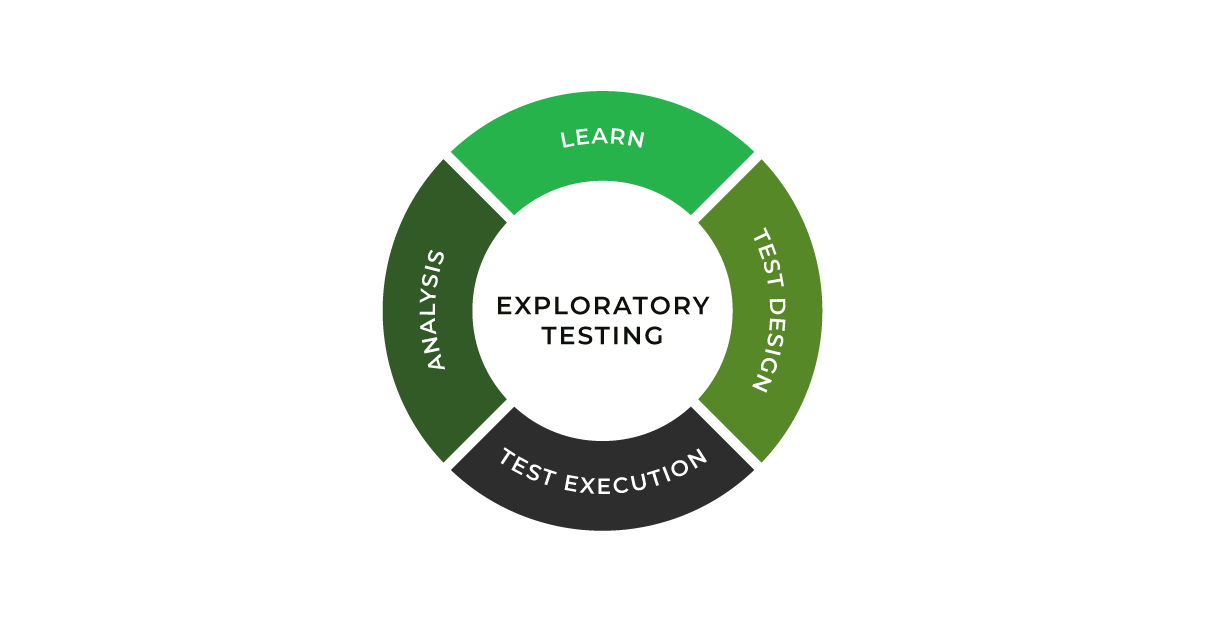
Exploratory testing involves testing system behaviour under various scenarios, with a predefined goal but no predefined tests. This focus on discovering the unknown makes exploratory testing both powerful and challenging.

“Exploratory testing is a systematic approach for discovering risks using rigorous analysis techniques coupled with testing heuristics.”

-Elisabeth Hendrickson

Although exploratory testing (ET) is not a new concept, its significance has increased exponentially in the dynamic field of software development. With its simultaneous learning, test design, and execution processes, ET represents a shift from the traditional, script-based testing methodologies. This approach is particularly beneficial in handling the complexities and unpredictabilities of modern software projects. It prepares testers to actively engage with the software, uncovering potential issues that scripted tests might overlook.
In exploratory testing, catching bugs is an adventure – a journey through the unknown aspects of software, where each test can reveal new insights. In the Agile world with rapid development cycles, exploratory testing stands out as a dynamic and responsive testing strategy, essential for ensuring software quality in a fast-paced environment.

Despite its advantages, exploratory testing has challenges that can interfere with its effectiveness. Testers often encounter hurdles in planning and adapting to newly discovered information, managing frequent context switches, maintaining comprehensive documentation, and effectively measuring the success of their testing efforts. Addressing these challenges is crucial for harnessing the full potential of ET. This blog will explore these common challenges and discuss how the Xray Exploratory App provides innovative solutions, enhancing the exploratory testing process and enabling testers to deliver high-quality results efficiently.

How to overcome challenges with Xray Exploratory App

The Xray Exploratory App proves to be a vital resource for successfully navigating these challenges. The tool supports the unique factors of exploratory testing, empowering testers to optimize their testing strategies while maintaining the flexibility and adaptability that exploratory testing demands. 

Planning and Learning

One of the primary challenges in exploratory testing is the balance between planning and learning. While ET is less structured than traditional testing, it still requires a level of planning to be effective. Xray Exploratory App facilitates one of the measures to counter this challenge and optimize your ET adoption –  session-based test management (SBTM). 

Testers must continuously learn from the software they are testing and adapt their approach accordingly. This requires understanding the project’s goals and the ability to quickly assimilate new information and apply it to testing strategies. One of the elements that helps with gaining the skills and experience is the structure of knowledge sharing. For example, if charters are handled as Jira stories, you get a centralized storage (a library of templates, of sorts) that has good examples which help educate any team member about the system and previous ET efforts.

Context Switching

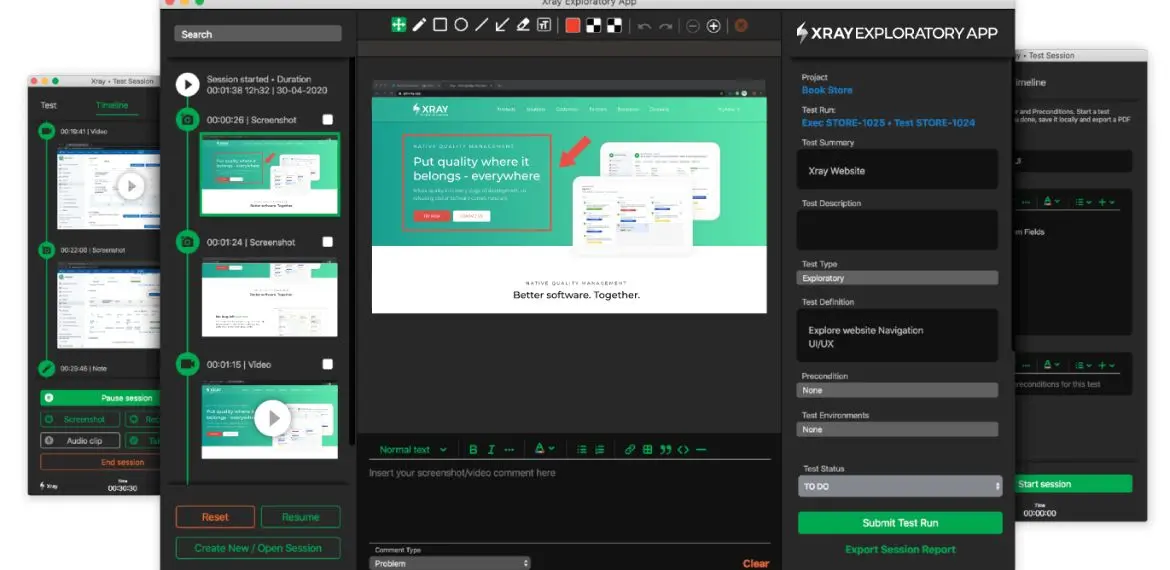
Testers in an exploratory setting often deal with context switches. They must juggle different aspects of the software, switch between various tasks, and respond to new findings in real-time. Managing these switches efficiently is crucial to maintain focus and avoid overlooking critical issues. Beyond common techniques like Pomodoro, you can leverage two key features of Xray Exploratory App – saving sessions locally and editing the detailed Timeline with all your findings.
Proper Documentation

Unlike scripted testing, where documentation is predefined, exploratory testing requires testers to document their findings as they explore. This can be challenging as it requires a balance between detailed documentation and the fluid nature of exploratory testing. Testers need to capture enough information to provide context and enable replication of failure and future test repeatability without getting bogged down in excessive detail.

Xray Exploratory App addresses this challenge with the easily created chronological history of not just text notes but also screenshots, videos, and issues/defects created in Jira during the session (which accelerates the feedback loop).

Reporting and Measuring Success

Another significant challenge in exploratory testing is effectively reporting and measuring success. Traditional testing metrics often do not apply to ET, as its dynamic nature does not lend itself easily to quantitative measurement. Defining meaningful metrics to capture the essence of exploratory testing’s success is crucial for validating its effectiveness and value within the broader testing strategy. In many cases, such definitions would be very company-specific.

The good news – the seamless integration between Xray Exploratory App and Xray/Jira allows you to leverage centralized test management features, such as real-time reporting on several possible metrics (e.g. number of defects, elapsed time). That improves visibility and allows to clearly determine the status of not only exploratory testing, but all testing activities.

For instance, if we want to track defects/issues resulting from exploratory testing, we can see them linked to the test issue in Jira/Xray, which will then allow us to check them in the Traceability report. 

Overall, these challenges, though daunting, are manageable. With the right approach and tools, testers can navigate the complexities of exploratory testing, turning these challenges into opportunities for delivering insightful and thorough software testing.

Future outlook of Exploratory Testing

Exploratory Testing is becoming more acknowledged as an indispensable part of the testing strategy, especially given the limitations of conventional scripted testing. The ability of ET to adapt and respond to the complexities and nuances of modern software development is exceptional. As we look towards the future, several key trends are emerging that are set to shape the landscape of exploratory testing.

Artificial Intelligence (AI)

AI has the potential to significantly transform exploratory testing by automating certain aspects of ideation and, more so, data analysis processes. Leveraging AI in software testing in the correct way can enhance the tester’s capabilities, enabling them to focus on more complex testing scenarios and extract deeper insights from test data. AI can assist in identifying patterns and predicting potential problem areas, making ET more efficient and effective.

Integrations with other tools

The future of exploratory testing will see greater integration with various development, testing, and business analysis tools. This compatibility will streamline the testing process, enabling seamless data flow and communication across platforms. One of the pain points this trend will aim to address is losing time in writing automation scripts as a result of ET. Such integrations will enhance the overall efficiency of the testing process, allowing testers to leverage a wider range of tools and resources during their exploratory sessions more easily.

Enhanced collaboration

As software development becomes more collaborative, exploratory testing also adapts to facilitate better teamwork. Tools like the Xray Exploratory App incorporate features that promote collaboration among testers and between testers and other stakeholders. This collaborative approach ensures a more comprehensive understanding and coverage of the software, leading to better testing outcomes.

Compliance and reporting

Exploratory testing is being used more and more in ensuring compliance, areas like Non-Functional Requirements testing (security and performance), to help find more convoluted flaws and bottlenecks in intricate software systems. The trend is not surprising as the cost of compliance is increasing, both from the customer and the regulatory perspective. 

With the increasing emphasis on compliance and accountability in software development, exploratory testing has to evolve to provide more robust reporting and documentation capabilities. The ability to generate detailed and meaningful reports is essential, and tools like Xray are focusing on enhancing these aspects to meet the growing compliance demands.

The Xray Exploratory App is at the forefront of these changes, continually adapting and evolving to meet the future demands of exploratory testing.

Chart new heights in testing with Xray Exploratory Testing App

Exploratory Testing has become indispensable in our increasingly sophisticated and customer-centric digital landscape. Its importance has expanded across various sectors, including e-commerce, healthcare, and finance, highlighting the universal need for high-quality software experiences. The unique approach of ET, with its focus on discovering the unknown through rigorous analysis and testing heuristics, positions it as a key strategy in addressing the complexities of modern software systems.

The Xray Exploratory App stands out as a vital resource in harnessing the full potential of exploratory testing. The tool enhances the testing process by addressing the everyday challenges of planning, context switching, documentation, and reporting. It enables testers to navigate the intricacies of ET with greater efficiency and effectiveness, ensuring comprehensive coverage and insightful test results.

Explore the capabilities of the Xray Exploratory App and see firsthand how it transforms the exploratory testing experience. Dive into the world of enhanced software testing with Xray and discover the difference it can make in delivering superior software quality.

Author


Ivan Filippov
, Solution Architect for Xray.

Ivan is passionate about test design, collaboration, and process improvement.

Xray is an EXPO Platinum partner at EuroSTAR 2024, join us in Stockholm.
Filed Under: Exploratory Testing, Platinum, Software Testing, Sponsor, Uncategorized Tagged With: 2024, EuroSTAR Conference, Expo, software testing conference, software testing tools

Unlocking Success: Top 7 Trends for Attracting Visitors to Your EXPO Booth in 2024 

January 25, 2024 by Lauren Payne

As we stride into 2024, the landscape of software testing continues to evolve as the EuroSTAR and AutomationSTAR conferences continue to grow, demanding innovative strategies to stand out in the crowd. Here are the top seven trends for 2024 that will redefine how you attract visitors to your booth at Europe’s largest testing software testing conferences this June: 

Clare’s 7 Top Trends To Follow:

1. Interactive Booth Experiences: Engage your audience with interactive experiences. From live product demos to hands-on testing challenges, creating a dynamic and participatory environment at your booth will draw inquisitive minds. 

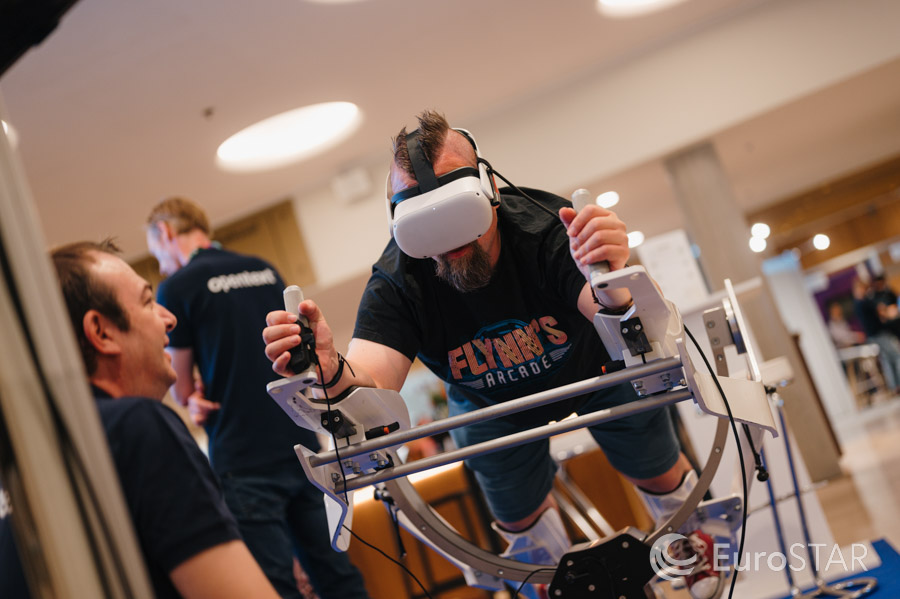
2. Virtual and Augmented Reality (VR/AR): Embrace the future with VR/AR experiences. Let visitors immerse themselves in solutions your product or service can achieve through virtual or augmented reality, providing a memorable and futuristic encounter. 

3. Killer Swag: Elevate your EXPO booth experience by offering killer swag that not only grabs attention but also leaves a lasting impression. Unique, high-quality swag items act as powerful magnets, drawing attendees to your booth. From trendy wearables to functional gadgets, thoughtful swag creates buzz, fosters engagement, and serves as a tangible reminder of your brand. In a sea of booths, having killer swag sets you apart, turning curious passersby into enthusiastic visitors and potential long-term connections. 

4. Networking Hubs: Transform your booth into a networking hub. Provide comfortable seating, charging stations, and conducive spaces for impromptu meetings. Networking hubs create an inviting atmosphere that encourages meaningful conversations. 

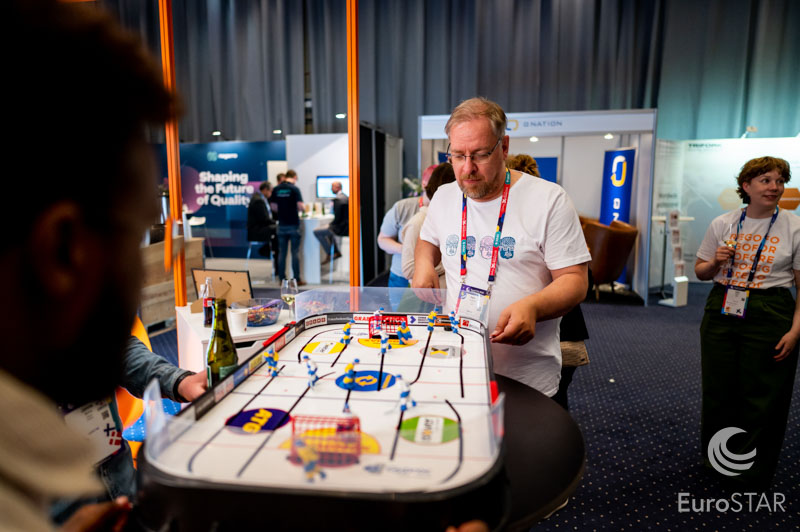
5. Gamification for Engagement: Infuse an element of fun into your booth with gamification. Create interactive games or challenges related to software testing concepts. Attendees love the opportunity to learn while having a good time. Get involved in the annual EXPO prize-giving and display your AMAZING prize on your booth over the 3 days to attract attention and collect leads via the sign up. 

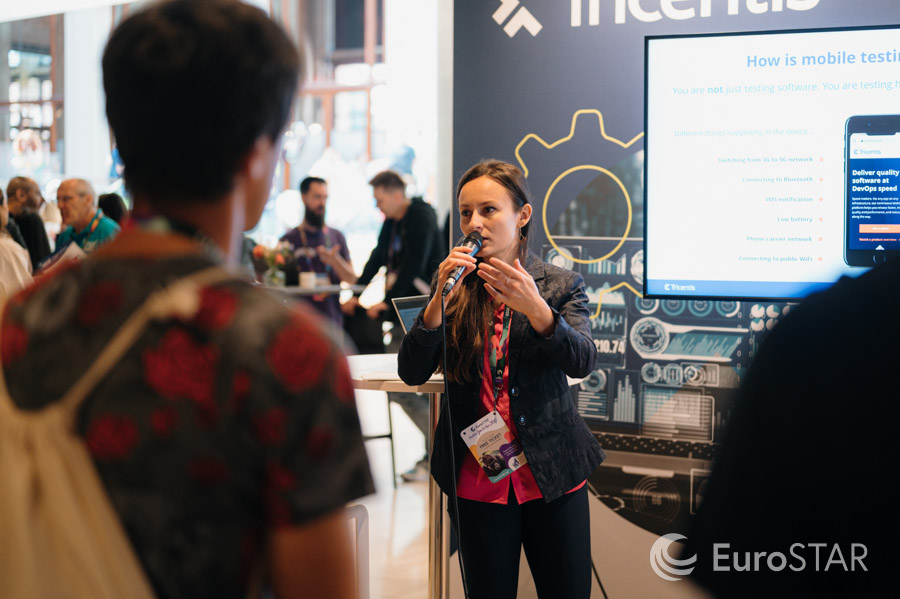
6. Short Demo Sessions: Elevate your booth’s presence by hosting 3–5-minute demo sessions during the networking breaks. Conduct brief, impactful presentations on emerging trends, best practices, or case studies about your products and services. Position your booth as a knowledge hub within the conference. 

7. Social Media Integration: Leverage the power of social media to amplify your booth’s visibility. Follow and use the event-specific hashtags #esconfs and encourage attendees to share their experiences online, and host live Q&A sessions. Utilise social media platforms to foster engagement before, during, and after the conference. 

Embracing these trends ensures your booth becomes a magnetic destination withing the EuroSTAR EXPO, attracting a diverse audience of software testing professionals. Stay ahead of the curve, make lasting impressions, and turn visitors into valuable connections at EuroSTAR in 2024. 

For more information on how EuroSTAR can help you achieve your business goals, check out the EuroSTAR 2024 EXPO brochure or book a call with me.

Clare Burke

EXPO Team, EuroSTAR Conferences

With years of experience and a passion for all things EuroSTAR, Clare has been a driving force behind the success of our EXPO. She’s the wizard behind the EXPO scenes, connecting with exhibitors, soaking up the latest trends, and forging relationships that make the EuroSTAR EXPO a vibrant hub of knowledge and innovation. 

t: +353 91 416 001 
e: clare@eurostarconferences.com 

Filed Under: EuroSTAR Conference, EuroSTAR Expo, Gold, Platinum, Sponsor Tagged With: EuroSTAR Conference, Expo

5 Top Tips To Convert Leads After An Event (+ Examples)

August 29, 2023 by Lauren Payne

We all know that following up with leads after exhibiting at a live event is crucial to converting potential customers into actual customers – while you are at the forefront of their minds.

For those of you who are new to follow ups or if this was your first time exhibiting at a live event, I’ve put together a number of tips and techniques, plus some email examples, to help set you and your company up with a successful follow-up strategy.

Clare’s 5 Top Tips

1. Act promptly

Time is of the essence when it comes to following up with leads post-event. Of course, there’s lots to follow up on once you get back to the office and work is piling up. However, it is recommended that exhibitors should aim to reach out to captured leads 3-5 days after an event while your brand and interactions are fresh in their memory – Attendees are often still on a high from a live event and are therefore more engaged.

According to Forbes, statistics show that the average response time for a lead is almost 47 hours, which they maintain is too long. It is well known that a lead requires 7-10 touches to convert. Consider diversifying your follow-up approach by using different channels of communication.

2. Personalise your communication

Personalised messaging resonates more effectively than that of a generic sale approach. Personalisation plays a key role in building stronger relationships with current and prospective leads. Refer to relevant discussions you had onsite at the live event to build rapport. This will help jog their memory and establish a connection. Adapt your communication approach based on the lead’s preferred communication method. Below is a simple and effective follow-up email example.

Subject: Connecting After EuroSTAR Conference – Let’s Keep the Conversation Going

Dear [First Name],

I hope this email finds you well. It was a pleasure meeting you at the EuroSTAR Conference last week. The event was truly inspiring, and it was great to connect with so many people who share a passion for quality assurance and software testing.

Our conversation about [specific topic or interest discussed] was particularly engaging, and I believe there’s a lot of potential for us to collaborate or share insights in the future. As we discussed, [briefly mention any action items or ideas from your conversation].

I’d love to schedule a brief call to delve deeper into our ideas and identify potential avenues for collaboration. Please let me know a few convenient dates and times, and I’ll accommodate your schedule.

Thank you once again for your insightful contribution and interest and I look forward to the opportunity of further engaging with you. Feel free to reach out via email or phone.

Wishing you a productive and successful month ahead.

Sign off with your full name, title, company, and contact information.

3. Express appreciation & gratitude

Start you follow up with light messaging to express gratitude for the lead’s time and interest during the event. This lets them know you value the opportunity to meet and talk with them and re-establish the connection that you had onsite. Below are 3 ways in which you can begin your follow up, expressing your gratitude to your newly sourced leads:

Option 1:

Hello [Lead’s Name],

I hope you’re settling back into your routine after the EuroSTAR Conference. I wanted to extend my gratitude for the engaging discussion we shared. Your insights were refreshing, and I’m thankful for the opportunity to connect with professionals like you in the industry.

Option 2:

Hello [Lead’s Name],

I trust you’re doing well since we crossed paths at the EuroSTAR Conference. I wanted to reach out and express my appreciation for the engaging conversation we had. Your perspectives were thought-provoking, and I’m excited about the potential for collaboration that we explored.

Option 3:

Hello [Lead’s Name],

I hope you’re settling back into your routine after the EuroSTAR Conference. I wanted to extend my gratitude for the engaging discussion we shared at the [company name] booth. Your insights were refreshing, and I’m thankful for the opportunity to connect with professionals like you in the industry.

4. Offer additional information

Where relevant, offer them additional information or resources. There may be whitepapers, product brochures, or case studies that may inform your offering relevant to the lead’s inquiry with you.

It was great to have the opportunity to discuss [insert reference to conversation you had] with you at EuroSTAR. From our conversation, I thought it might be helpful to send along some digital resources that may be of use to you and help answer any further questions [link to any relevant resources on your company’s website]

5. Measure & Optimise:

“You can’t measure what you don’t track” is a quote attributed to Peter Drucker, one of the most influential thinkers on management.

By tracking the success of your follow-up efforts and approach, you can later analyze the data and identify patterns across response rates, conversions and overall lead quality. This will help inform your future strategy and optimize your follow-up process, setting you and your team up for greater success!

Successful follow-up post event is about building meaningful relationships, providing value, and nurturing the leads you’ve gathered. By being timely with your follow-up, personalizing your communications and offering relevant and valuable information, you can increase your chances of converting your leads into loyal customers!

For more information on how EuroSTAR can help you achieve your business goals, check out the EuroSTAR 2024 EXPO brochure or book a call with me.

Clare Burke

EXPO Team, EuroSTAR Conferences

With years of experience and a passion for all things EuroSTAR, Clare has been a driving force behind the success of our EXPO. She’s the wizard behind the EXPO scenes, connecting with exhibitors, soaking up the latest trends, and forging relationships that make the EuroSTAR EXPO a vibrant hub of knowledge and innovation. 

t: +353 91 416 001 
e: clare@eurostarconferences.com 

Filed Under: EuroSTAR Expo, Sponsor Tagged With: EuroSTAR Conference

  • « Previous Page
  • Page 1
  • Page 2
  • Page 3
  • Page 4
  • Code of Conduct
  • Privacy Policy
  • T&C
  • Media Partners
  • Contact Us

part of the