• Skip to main content
EuroSTAR 2027 - Sign up for early access

EuroSTAR Conference

Europe's Largest Software Testing Conference.

  • Programme
    • Call for Speakers
    • 2026 Programme
    • Community Hub
    • Awards
  • Attend
    • Why Attend
    • Bring your Team
    • Testimonials
  • Sponsor
    • Sponsor Opportunities
    • Sponsor Testimonials
  • About
    • About Us
    • Our Timeline
    • FAQ
    • Blog
    • Organisations
    • Contact Us
  • Book Now

EuroSTAR Expo

Lowering Testing Barriers with Computer Vision-Based AI

April 30, 2024 by Lauren Payne

The constant surge in digital transformation forces organizations to perform tests on an increasing number of platforms but still get results as quickly as possible. Manual testing just can’t keep up with the speed of business, so teams turn to test automation. But traditional software testing tools are only effective to a point. Generally, these tools rely on identifying objects on the screen through their internal representation—e.g., coordinates, class name, type, and many other. This method of identifying objects can be very fragile. Even a small change might result in the tool failing to find the object. The drawbacks of these techniques prevent teams from scaling their test automation efforts up to the levels they require.

To that end, the most common test automation challenges include:

•      Relentless test maintenance—Tests that rely on unique object properties can be susceptible to breaks, thereby making testers perform regular updates to ensure their tests still run on each supported environment.

  • Test execution time is too long—Even if a test set runs without interruption, it can take a significant amount of time to run all the tests to completion.
  • Insufficient test coverage—Teams must support an ever-expanding range of platforms, devices, and operating systems, requiring testers to customize the tests for each environment.
  • Test creation fatigue—It takes time to build and design effective tests, with much effort required to uniquely identify on-screen objects that are part of the test.

What our research at OpenText revealed was that automated object detection with computer vision is key to lowering these barriers.

Computer Vision-Based AI for Automated Object Detection

Recognizing objects without knowledge of their internal representation is one key objective to developing an AI engine. This goal can be accomplished by combining AI-based algorithms that accurately and consistently recognize objects regardless of device or environment.

For example, a test step might require clicking the shopping cart icon on a mobile app. The AI engine should be able to locate the shopping cart icon on the current screen without knowing:

  • If the screen is on a mobile device.
  • Whether the device is running Android or iOS.
  • If the screen is a desktop browser.
  • Whether it’s Chrome, Firefox, Edge, or another browser.

The ability to “Click the shopping cart” step should work under any circumstance with an AI engine using computer vision through an artificial neural network and optical character recognition.

Why Computer Vision?

An AI engine understands a screen’s composition and breaks it down into the unique objects that it contains. Additionally, the AI engine knows nothing about the implementation of the object. It treats the object as an image, regardless of the device or platform it comes from. As such, a powerful computer vision tool is needed and should be supported by an artificial neural network (ANN), a layered structure of algorithms that classify objects. It will train the ANN with many visual objects, resulting in a model that identifies objects it will likely encounter in applications under test (AUT). Thus, when the AI engine is tasked with locating a specific object, it utilizes the model to identify a match in the AUT.

In terms of architecture, a best practice is to implement the AI engine as a separate module. Rather than restricting it to a specific product, any product can theoretically use the engine.

OCR-Based Identification for Text Objects

AI engines also need to leverage OCR to identify text-based objects. These objects may themselves be part of the test, or they could function as a hint to identify the object’s relative location. This capability is useful if an object appears multiple times on a screen. For example, a login screen might have two text boxes, one for the username and one for the password. OCR helps identify which of the edit boxes is which. OCR can also identify a button by its textual caption.

Lowering and Removing Test Automation Barriers

AI-based test automation reduces the time it takes to build and design tests because objects are identified simply by looking at them. AI algorithms lower skill barriers because they identify most objects and are hidden from the user. Teams can also use the same test without modification on different devices and platforms. They simply procure an appropriate device and run the test on it as-is. And because the algorithm doesn’t rely on an object’s underlying implementation and properties, the test keeps running even if there is a change. If the test’s flow stays the same, the test will continue to run.

The final barrier yet to be removed completely is test execution time. Tests will always take a finite time to run; hence there is a lower limit on the amount of time they take. However, AI-based testing helps teams test earlier and provides robust mechanisms that parallelize and optimize test execution, reducing the wait time for results.

Author


Michael O’Rourke
, Product Marketing Manager, DevOps Cloud 

Michael O’Rourke is a product marketing technologist in cloud, enterprise software, and DevOps. His diverse background derives from 20 years of experience at HPE, IBM, T-Mobile, Micro Focus, and more. He holds a degree in Management Information Systems and is a certified Product Owner, Scrum Master, PMP, and Pragmatic Marketing practitioner. He is also an international speaker, trainer, and blogger. At OpenText, Michael drives the development and execution of go-to-market strategies for OpenText’s DevOps Cloud. 

OpenText is an EXPO Gold Sponsor at EuroSTAR 2024, join us in Stockholm.
Filed Under: EuroSTAR Expo, Gold, Software Testing Tagged With: 2024, EuroSTAR Conference, Expo

Power Up Your Test Automation Practices With AI: Unlock Key Use Cases

April 9, 2024 by Lauren Payne

With the rapid pace of development cycles and the complexity of modern software systems, manual testing alone often can’t meet the demands of quality assurance. This is where test automation comes into play, offering efficiency, accuracy, and scalability. 

However, even with automation, challenges can still arise, such as maintaining test scripts, handling dynamic user interfaces, and detecting subtle defects. Enter AI, a game-changer poised to revolutionize test automation.

By infusing AI and ML into test automation, testers can build better automations faster through supercharged productivity, as well as improve accuracy and time-to-value through combining Generative AI and Specialized AI. Plus, testers can unlock new use cases by building AI-powered automations. 

So, what are some of the top uses for AI and ML in testing that can supercharge your application testing practices?

Deploy an agent that performs testing fully autonomously

An AI-powered agent can seamlessly tackle the challenge of finding critical problems in your applications, as it can interact with an application constantly. Then, the agent can build a model of your application, discover relevant functionality, and find bugs related to performance, stability, and usability. An agent can also aid in creating a resilient object repository while navigating through a target application, gathering reusable controls for future test case development. The potential of AI doesn’t stop there—the agent can then continuously verify and refresh controls within an object repository, enabling self-healing and maintaining automated tests. 

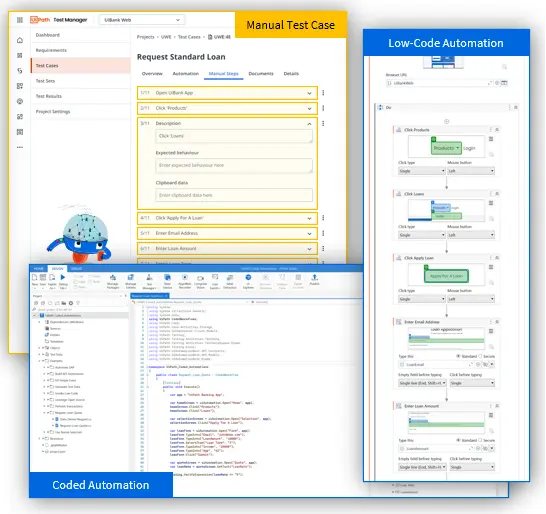
Generate automated low-code and coded tests from step-by-step manual tests

Have manual tests that you want to convert to automated tests? With the power of AI, you can accelerate automation by generating automated low-code and coded tests from manual tests, as well as leverage a flexible automation framework to ensure the resilience of your automated tests. And remember the object repository that your AI-fuelled agent assisted with creating? Equipped with this object repository, you can use AI to consider and smartly reuse any kind of object, such as buttons, tables, and fields.

Create purposeful and complex test data

With AI-infused large language models, you can supercharge your data through enhanced synthetic test data generation for manual and automated test cases. Using AI also enables you to create meaningful test data faster, allowing you to handle intricate data dependencies across multiple test data dimensions.

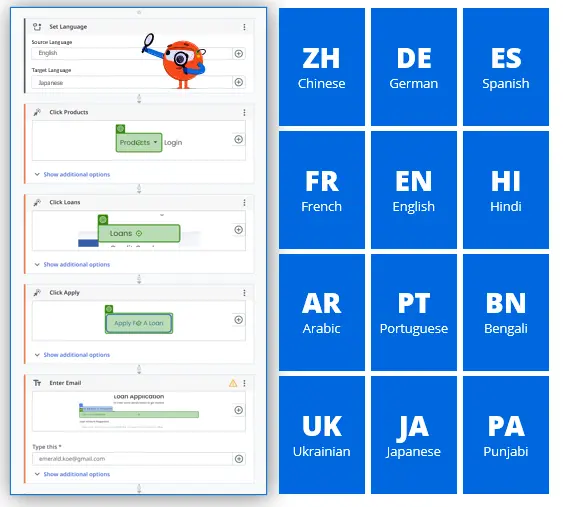
Streamline automated localization testing by leveraging semantic translation

By integrating AI into your test automation practices, you can leverage semantic automation and translation to remove the need for creating separate test cases for each language. The result? Maximized efficiency through seamless automated localization testing. Plus, you can run your automated test cases in different languages, allowing you to expand and scale your testing capabilities globally.

Overall, there’s unlimited potential for AI to supercharge continuous testing across the entire lifecycle—from defining stories, to designing tests, to automating and executing tests, to analyzing results.

UiPath Test Suite for AI-powered test automation

UiPath Test Suite, the resilient testing solution powered by the UiPath Business Automation Platform, offers production-grade, AI-fueled, low-code, no-code, and coding tools so you can automate testing for any technology while still managing testing your way. Later this year, you’ll be able to unlock AI-infused use cases for test automation, such as test generation, coded automations, and test insights, with Autopilot for Test Suite.

Author


Sophie Gustafson, Product Marketing Manager, UiPath Test Suite

Sophie Gustafson has worked at UiPath for two years and is currently a product marketing manager for Test Suite. Sophie has previous experience working in the consulting and tech industries, specializing in content strategy, writing, and marketing.

UiPath is an EXPO Platinum Partner at EuroSTAR 2024, join us in Stockholm.
Filed Under: EuroSTAR Conference, EuroSTAR Expo, Platinum, Sponsor, Test Automation Tagged With: 2024, EuroSTAR Conference, Expo, Test Automation

Data Testing VS Application Testing

March 12, 2024 by Lauren Payne

Introduction

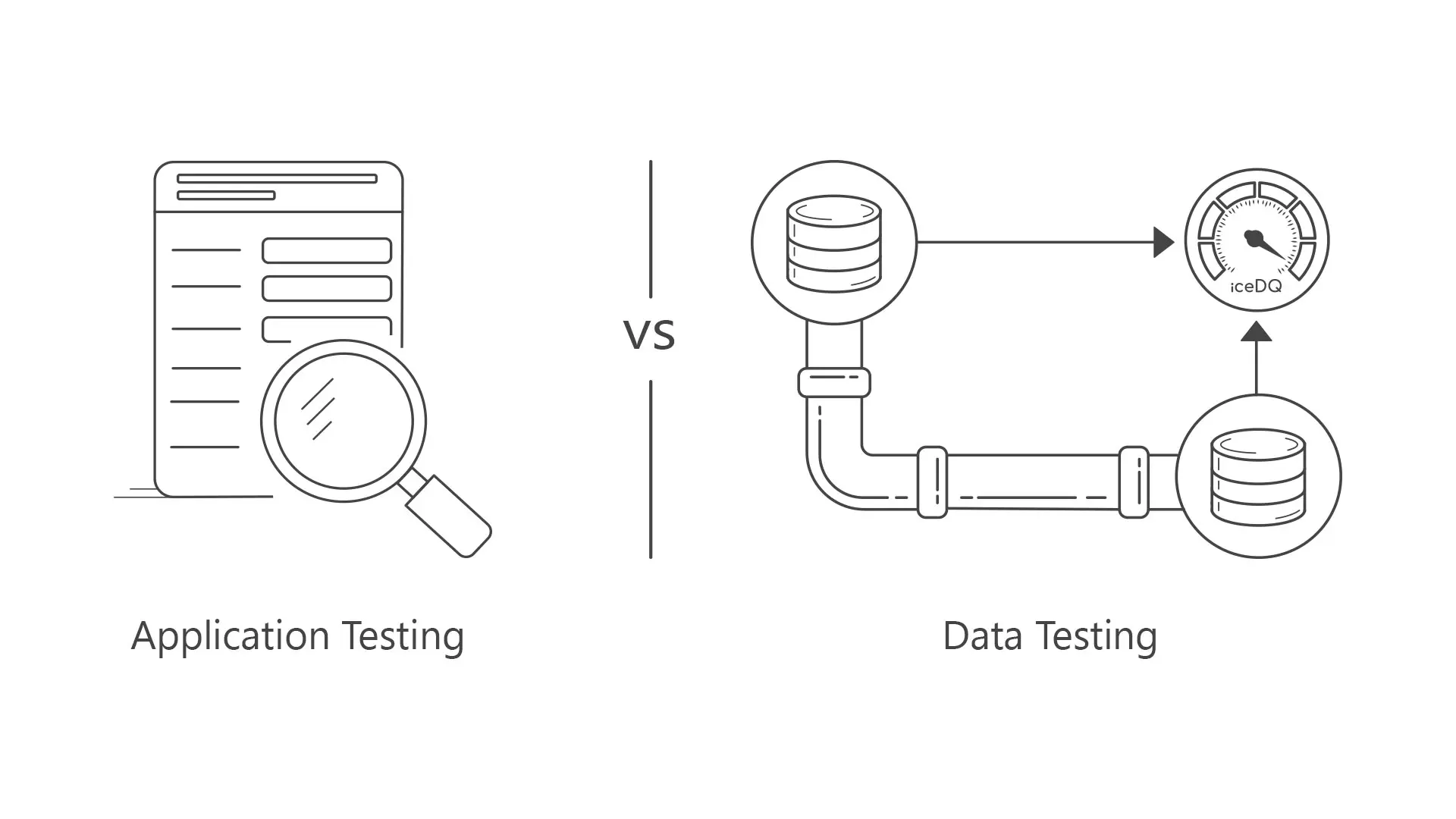
This blog will explore the critical distinctions between application testing vs data testing, common mistakes with data testing, and reveal the consequences of neglecting it.  

Testing is a critical step for any software development project. Web applications, or mobile apps are tested to ensure proper functionality of the UI. But what about data-centric projects such as data warehouses, ETL, data migration, and big data lakes? Such systems involve massive amounts of data, have long running processes, and unlike applications, they lack screens. In such projects how does testing work? 

Data Testing vs Application Testing 

At a high-level data testing and application testing both share a common goal of ensuring functionality of a system, however on a closer look, it reveals that they have very distinct focuses and methodologies. Here is a quick list of differences for your reference. 

Project Types:  

  • Application testing spans a wide spectrum of web apps and mobile apps.  
  • On the other hand, data testing zeroes in on projects like data migration, Data pipelines, data warehouses. 

Testing Objective and Focus: 

  • Application Testing addresses everything from user interface intricacies to scripting, APIs, functions, and code integrity.  
  • For data testing, the emphasis is on ETL/data processes, process orchestration, and unique attention to data integrity sets it apart as a specialized discipline.  

Data Volume: 

  • Application Testing spans various dimensions, one of them being data. But in the scope of application testing data involvement is extremely limited to a few records created by a transaction. 
  • Data testing however, puts a spotlight on the critical nuances of data. The contrast is stark: compared to application testing, data testing involves millions and billions of records. 

Certification: 

  • In application testing the certification focus is on code integrity. 
  • Data testing is essentially designed to certify data integrity. 

Expected vs. Actual: 

  • Application testing compares the actual behavior of user interfaces and scripts vs expected. 
  • Data testing navigates the complex terrain of data integrity, migration accuracy, and the nuances of big data. 

Performance Testing: 

  • In application testing the focus is on the speed at which the UI or the underlying functions respond to a request. It is in the realms of microseconds. On the other hand, performance testing for Data is in minutes and hours. 
  • For data testing the performance is usually calculated by rows processed per second. It is usually computed in the time required to read data, transport data, process data and load data in a target database. The loading time is further calculated in terms of update, insert, and delete speed. 

Employee Skillsets: 

  • Both processes demand a skill set that combines technical acumen and a deep understanding of the tools at play. Application Testing requires proficiency in user interface testing, scripting, and tools like Selenium/JMeter. Application testing requires understanding screen behavior, and utilizing tools tailored to the unique challenges presented by data. 
  • In contrast, data testing necessitates expertise in handling data sources and target data, SQL, Data Models, and Reference data. Proficiency in scripting and code-level understanding is essential for application testing, while data testing demands a command over SQL for effective data manipulation and validation. 

Testing Tools: 

  • Application testing often employs tools like Selenium and JMeter. 
  • Data testing leverages specialized tools like iceDQ for comprehensive data quality assurance. 

Top Data Testing Mistakes

At the heart of the issue lies a fundamental misunderstanding – the perception that application testing and data testing can be treated interchangeably. 

  1. Ignore Data Testing: Organizations often neglect data testing. A QA professional with an application background does not understand data testing, while the data engineers are not classically trained in testing.  
  1. Lack of Dedicated Data Testing Team: The lack of a dedicated team will result in knowledge gaps. Dedicated teams is essential to properly train and acquire proficiency.  
  1. Application Testers for Data Testing: Just because someone is skilled in application testing does not mean that the person will have the know-how of data testing.
  1.  Manual Data Testing: Automation has become the mantra for efficiency in software testing, but this mantra is often focused more on application testing. Automated UI tests and functional checks take centre stage, leaving data testing to be more of a manual process. The absence of automation in data testing not only hampers efficiency but also introduces the risk of human error. 
  1. Data Sampling: In the absence of automation, organizations resort to manual data testing, a daunting task when faced with millions of records. Manual testing becomes a mammoth task to undertake, prone to errors, inconsistencies, and a significant drain on resources. The sheer volume of data makes it humanly impossible to ensure comprehensive testing, forcing the testing team to resort to testing sample data rather than the entire dataset. 
  1. Misuse of application testing tools for data testing: While tools like Selenium and JMeter excel in UI and functionality checks, testing data pipelines demands specialized tools. The mismatch not only results in inefficiencies but also fails to address the unique challenges posed by data-centric projects. 
  1. Low /No Budget for Data Testing: Organizations, in pursuit of flawless user experiences, often channel a significant portion of resources towards application testing tools and frameworks.  Meanwhile, data testing, which operates in the complex terrains of data migration testing, ETL testing, data warehouse testing, database migration testing and BI report testing is left with a fraction of the QA budget. 
  1. In-house Scripts or Frameworks: Some organizations realize the distinct nature of data testing and attempt to build in-house frameworks. However, this approach often has more disadvantages than advantages. In-house frameworks, while tailored to specific needs, may lack the scalability required for projects dealing with millions of records and complex data structures. The inefficiencies in this approach become apparent with the growth in data volumes and complexity.  

Consequences of Ignoring Data Testing 

  1. Cost and Time overruns 
  1. Complete failure of projects 
  1. Data Quality issues in Production 
  1. Compliance and regulatory risks 
  1. Reputation Risks 

Conclusion

To summarize the difference, while Application Testing and data testing share the overarching goal of ensuring the robustness of a system, they operate in distinct realms. Application Testing spans the broader landscape of application functionality, whereas data testing homes in on the intricate dance of data within the system. Understanding and appreciating these differences is crucial for organizations aiming to fortify their digital transformation.  

Recognizing the critical distinctions between application testing and data testing is the first step towards comprehensive Quality Assurance. Organizations must recalibrate their approach, acknowledging the unique requirements of data testing and allocating resources, budgets, and automation efforts accordingly.  

Embracing specialized tools like iceDQ which is a low code-no code solution for testing your data-centric projects is key to building software that stands the test of both user experiences and data integrity. 

For more details please visit our blog: https://bit.ly/3SWpgYs 

Author

Sandesh Gawande is the CTO at iCEDQ (Torana Inc.) and a serial entrepreneur.

Since 1996, Sandesh has been designing products and doing data engineering. He has developed and trademarked a framework for data integration – ETL Interface Architecture®. He consulted various Insurance, Banking, and Healthcare. He realized, while companies were investing millions of dollars in their data projects, they were not testing their data pipelines. This caused project delays, huge labor costs, and expensive production fixes. Herein lies the genesis of the iCEDQ platform.

iCEDQ is an EXPO Gold Sponsor at EuroSTAR 2024, join us in Stockholm


Filed Under: Application Testing, EuroSTAR Expo, Gold Tagged With: 2024, EuroSTAR Conference, Expo

Unlocking Success: Top 7 Trends for Attracting Visitors to Your EXPO Booth in 2024 

January 25, 2024 by Lauren Payne

As we stride into 2024, the landscape of software testing continues to evolve as the EuroSTAR and AutomationSTAR conferences continue to grow, demanding innovative strategies to stand out in the crowd. Here are the top seven trends for 2024 that will redefine how you attract visitors to your booth at Europe’s largest testing software testing conferences this June: 

Clare’s 7 Top Trends To Follow:

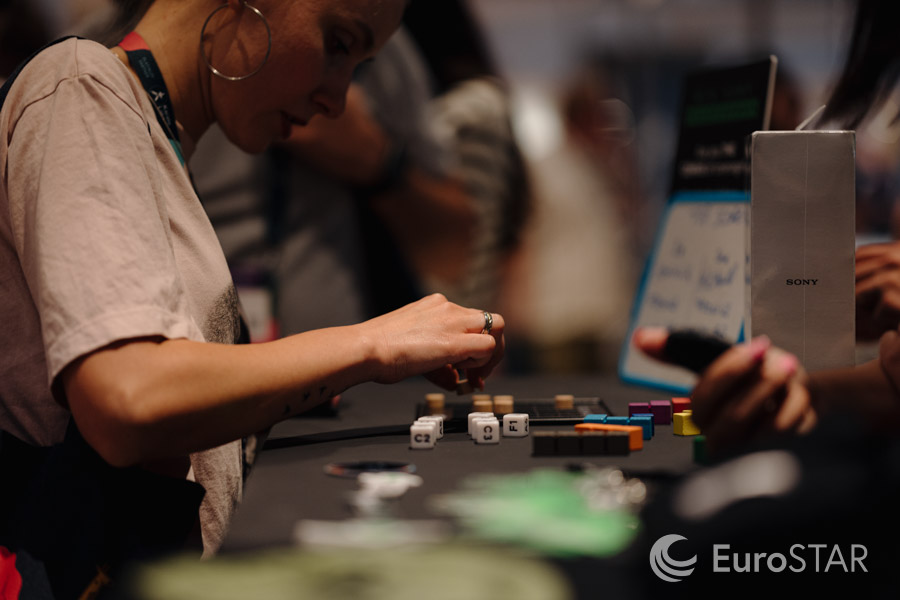
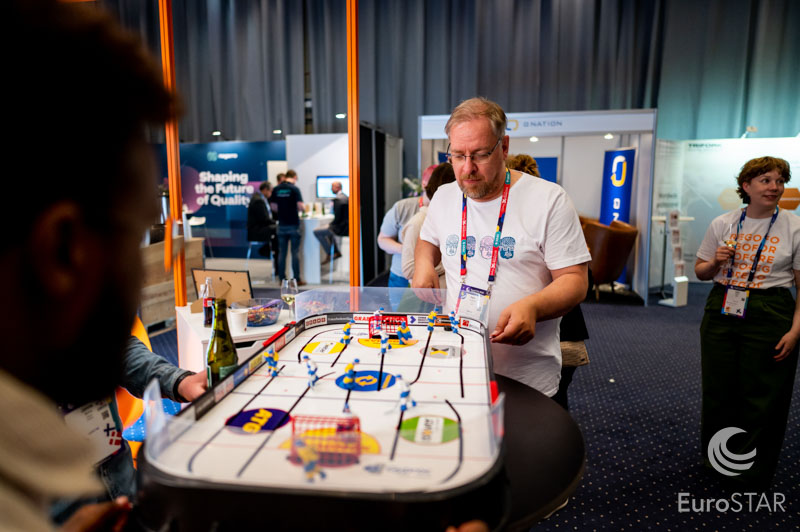
1. Interactive Booth Experiences: Engage your audience with interactive experiences. From live product demos to hands-on testing challenges, creating a dynamic and participatory environment at your booth will draw inquisitive minds. 

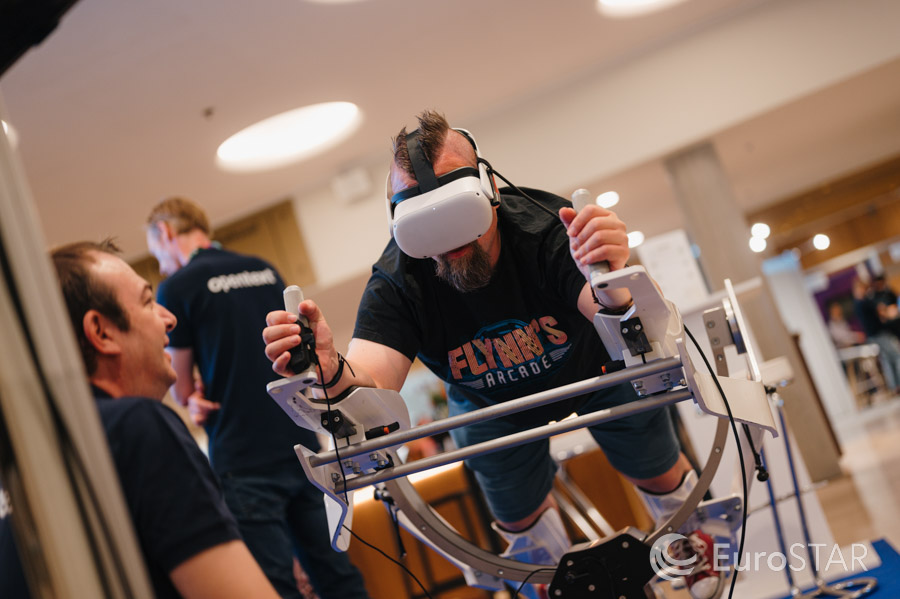
2. Virtual and Augmented Reality (VR/AR): Embrace the future with VR/AR experiences. Let visitors immerse themselves in solutions your product or service can achieve through virtual or augmented reality, providing a memorable and futuristic encounter. 

3. Killer Swag: Elevate your EXPO booth experience by offering killer swag that not only grabs attention but also leaves a lasting impression. Unique, high-quality swag items act as powerful magnets, drawing attendees to your booth. From trendy wearables to functional gadgets, thoughtful swag creates buzz, fosters engagement, and serves as a tangible reminder of your brand. In a sea of booths, having killer swag sets you apart, turning curious passersby into enthusiastic visitors and potential long-term connections. 

4. Networking Hubs: Transform your booth into a networking hub. Provide comfortable seating, charging stations, and conducive spaces for impromptu meetings. Networking hubs create an inviting atmosphere that encourages meaningful conversations. 

5. Gamification for Engagement: Infuse an element of fun into your booth with gamification. Create interactive games or challenges related to software testing concepts. Attendees love the opportunity to learn while having a good time. Get involved in the annual EXPO prize-giving and display your AMAZING prize on your booth over the 3 days to attract attention and collect leads via the sign up. 

6. Short Demo Sessions: Elevate your booth’s presence by hosting 3–5-minute demo sessions during the networking breaks. Conduct brief, impactful presentations on emerging trends, best practices, or case studies about your products and services. Position your booth as a knowledge hub within the conference. 

7. Social Media Integration: Leverage the power of social media to amplify your booth’s visibility. Follow and use the event-specific hashtags #esconfs and encourage attendees to share their experiences online, and host live Q&A sessions. Utilise social media platforms to foster engagement before, during, and after the conference. 

Embracing these trends ensures your booth becomes a magnetic destination withing the EuroSTAR EXPO, attracting a diverse audience of software testing professionals. Stay ahead of the curve, make lasting impressions, and turn visitors into valuable connections at EuroSTAR in 2024. 

For more information on how EuroSTAR can help you achieve your business goals, check out the EuroSTAR 2024 EXPO brochure or book a call with me.

Clare Burke

EXPO Team, EuroSTAR Conferences

With years of experience and a passion for all things EuroSTAR, Clare has been a driving force behind the success of our EXPO. She’s the wizard behind the EXPO scenes, connecting with exhibitors, soaking up the latest trends, and forging relationships that make the EuroSTAR EXPO a vibrant hub of knowledge and innovation. 

t: +353 91 416 001 
e: clare@eurostarconferences.com 

Filed Under: EuroSTAR Conference, EuroSTAR Expo, Gold, Platinum, Sponsor Tagged With: EuroSTAR Conference, Expo

5 Top Tips To Convert Leads After An Event (+ Examples)

August 29, 2023 by Lauren Payne

We all know that following up with leads after exhibiting at a live event is crucial to converting potential customers into actual customers – while you are at the forefront of their minds.

For those of you who are new to follow ups or if this was your first time exhibiting at a live event, I’ve put together a number of tips and techniques, plus some email examples, to help set you and your company up with a successful follow-up strategy.

Clare’s 5 Top Tips

1. Act promptly

Time is of the essence when it comes to following up with leads post-event. Of course, there’s lots to follow up on once you get back to the office and work is piling up. However, it is recommended that exhibitors should aim to reach out to captured leads 3-5 days after an event while your brand and interactions are fresh in their memory – Attendees are often still on a high from a live event and are therefore more engaged.

According to Forbes, statistics show that the average response time for a lead is almost 47 hours, which they maintain is too long. It is well known that a lead requires 7-10 touches to convert. Consider diversifying your follow-up approach by using different channels of communication.

2. Personalise your communication

Personalised messaging resonates more effectively than that of a generic sale approach. Personalisation plays a key role in building stronger relationships with current and prospective leads. Refer to relevant discussions you had onsite at the live event to build rapport. This will help jog their memory and establish a connection. Adapt your communication approach based on the lead’s preferred communication method. Below is a simple and effective follow-up email example.

Subject: Connecting After EuroSTAR Conference – Let’s Keep the Conversation Going

Dear [First Name],

I hope this email finds you well. It was a pleasure meeting you at the EuroSTAR Conference last week. The event was truly inspiring, and it was great to connect with so many people who share a passion for quality assurance and software testing.

Our conversation about [specific topic or interest discussed] was particularly engaging, and I believe there’s a lot of potential for us to collaborate or share insights in the future. As we discussed, [briefly mention any action items or ideas from your conversation].

I’d love to schedule a brief call to delve deeper into our ideas and identify potential avenues for collaboration. Please let me know a few convenient dates and times, and I’ll accommodate your schedule.

Thank you once again for your insightful contribution and interest and I look forward to the opportunity of further engaging with you. Feel free to reach out via email or phone.

Wishing you a productive and successful month ahead.

Sign off with your full name, title, company, and contact information.

3. Express appreciation & gratitude

Start you follow up with light messaging to express gratitude for the lead’s time and interest during the event. This lets them know you value the opportunity to meet and talk with them and re-establish the connection that you had onsite. Below are 3 ways in which you can begin your follow up, expressing your gratitude to your newly sourced leads:

Option 1:

Hello [Lead’s Name],

I hope you’re settling back into your routine after the EuroSTAR Conference. I wanted to extend my gratitude for the engaging discussion we shared. Your insights were refreshing, and I’m thankful for the opportunity to connect with professionals like you in the industry.

Option 2:

Hello [Lead’s Name],

I trust you’re doing well since we crossed paths at the EuroSTAR Conference. I wanted to reach out and express my appreciation for the engaging conversation we had. Your perspectives were thought-provoking, and I’m excited about the potential for collaboration that we explored.

Option 3:

Hello [Lead’s Name],

I hope you’re settling back into your routine after the EuroSTAR Conference. I wanted to extend my gratitude for the engaging discussion we shared at the [company name] booth. Your insights were refreshing, and I’m thankful for the opportunity to connect with professionals like you in the industry.

4. Offer additional information

Where relevant, offer them additional information or resources. There may be whitepapers, product brochures, or case studies that may inform your offering relevant to the lead’s inquiry with you.

It was great to have the opportunity to discuss [insert reference to conversation you had] with you at EuroSTAR. From our conversation, I thought it might be helpful to send along some digital resources that may be of use to you and help answer any further questions [link to any relevant resources on your company’s website]

5. Measure & Optimise:

“You can’t measure what you don’t track” is a quote attributed to Peter Drucker, one of the most influential thinkers on management.

By tracking the success of your follow-up efforts and approach, you can later analyze the data and identify patterns across response rates, conversions and overall lead quality. This will help inform your future strategy and optimize your follow-up process, setting you and your team up for greater success!

Successful follow-up post event is about building meaningful relationships, providing value, and nurturing the leads you’ve gathered. By being timely with your follow-up, personalizing your communications and offering relevant and valuable information, you can increase your chances of converting your leads into loyal customers!

For more information on how EuroSTAR can help you achieve your business goals, check out the EuroSTAR 2024 EXPO brochure or book a call with me.

Clare Burke

EXPO Team, EuroSTAR Conferences

With years of experience and a passion for all things EuroSTAR, Clare has been a driving force behind the success of our EXPO. She’s the wizard behind the EXPO scenes, connecting with exhibitors, soaking up the latest trends, and forging relationships that make the EuroSTAR EXPO a vibrant hub of knowledge and innovation. 

t: +353 91 416 001 
e: clare@eurostarconferences.com 

Filed Under: EuroSTAR Expo, Sponsor Tagged With: EuroSTAR Conference

What you can expect at the EuroSTAR 2021 Expo

September 16, 2021 by Fiona Nic Dhonnacha

The 29th annual EuroSTAR Conference is almost here, and we can’t wait to bring you 3 awesome days of testing, learning, and connecting with the global testing community.

A very important part of the conference is the Expo area: it’s a great place to visit between sessions, and draws some of the biggest companies in the world armed with solutions for you. Stay on top of what’s new in testing tools, check out tons of cool demos, get 1:1 help on video chat, add new processes to your testing toolkit… and of course, win prizes and bring home some cool swag.

Visit the Expo booths throughout the conference to find out how you can get your hands on the incredible prizes below – we’ll see you there!

A big thank you to our Platinum Partners Inspired Testing, Tricentis and Xray; Gold Sponsors Digitate, mabl, Saucelabs and Test Rail; and all our brilliant exhibitors. Check out all of our 2021 exhibitors.

Remember – you can save 20% on your EuroSTAR 2021 Ticket with one of our Expo Partner Codes – see their individual partner pages for more!
GET YOUR TICKET TO EUROSTAR

Inspired Testing

Platinum Partners at EuroSTAR 2021, Inspired Testing are a pure play testing company that can help you deliver exceptional software. Join Clinton, Lloyd and Steve at the Inspired Testing booth and enter their draw to win a Star Wars: Millennium Falcon Lego Set*.

Tricentis

The Tricentis team will be on hand to discuss and demonstrate how their AI-based, automation platform dramatically increases software release speed. They also have have a fantastic prize of Air-pods Pro* for attendees who enter their draw.

Xray

Helder, Ines and Tonislava are delighted to be back at EuroSTAR and they have a €100 Amazon gift card for one lucky visitor to their booth. Visit them during EuroSTAR and discover why Xray are the #1 Manual & Automated Test Management App for Quality Assurance in Jira.

GET YOUR TICKET TO EUROSTAR

Digitate

Call to the Digitate booth at EuroSTAR 2021 and enter their draw to win a subscription to Masterclass. Digitate is a leading software provider bringing agility, assurance, and resiliency to IT and business operations and their team are looking forward to meeting you.

Mabl

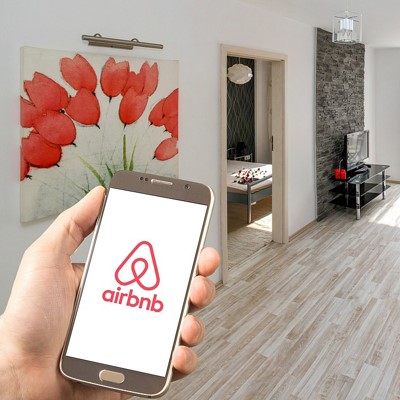
Mabl enables software teams to increase test coverage, speed up development and improve application quality. This is their third EuroSTAR and you’ll get to meet Eddie, Jordan, Reed and Leah. If you fancy a getaway, they have a €200 Airbnb gift card up for grabs.

Sauce Labs

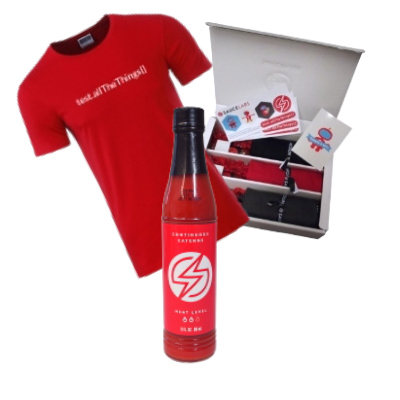
Having run more than one billion tests on the Sauce Labs cloud, the team; Madeline, Frederico and Hector are looking forward to meeting everyone. They have some saucy swag* available for our EuroSTAR attendees so don’t forget to stop by and say hi!

Test Rail

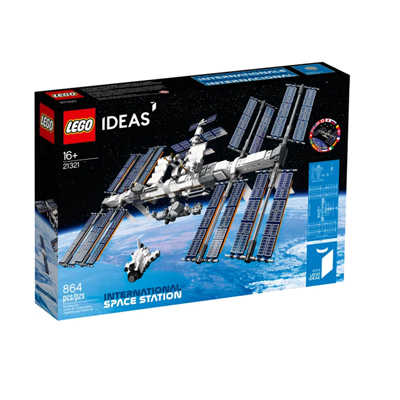
The TestRail Team is excited to be part of EuroSTAR! Stop by TestRail’s booth to learn how to build a better testing process, increase coverage, and ship releases with more confidence (and enter to win your very own International Space Station Lego Set!).

GET YOUR TICKET TO EUROSTAR

Applause

If you like to shop online, you should chat with Tom and Niki from Applause as they have not one but four €50 Amazon Gift Cards to giveaway. Visit their booth and find out why Applause is a worldwide leader in enabling digital quality.

Eficode

The leading DevOps company in Europe, the Eficode team, Timo and Kalle, are excited to be exhibiting at EuroSTAR for the first time. They love learning as much as we do and have free seats for lucky attendees to access the Eficode Academy training!

EPAM

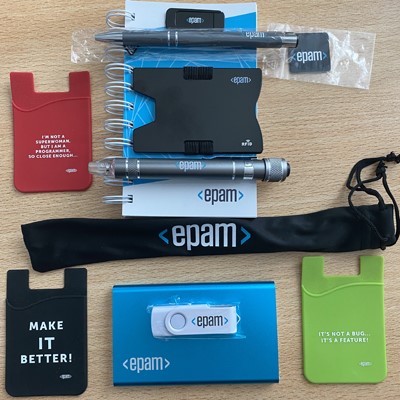
Win some cool EPAM merch including a mini screwdriver set & light, notebook camera cover, 8gb pendrive, pen, self-adhesive screen cleaner, 4000 mAh powerbank, variety of card holders, metal straw. Jozsef, Pavel and Elizaveta are looking forward to meeting you.

Global App Testing

Global App Testing is a trusted partner for Facebook, Google, Microsoft, Instagram and many more. Swing by to meet Daniel, Fahim and Michael during EuroSTAR 2021 and you could win a pair of VR Goggles*.

Inflectra

Join the Inflectra team at their booth and enter their draw for a pair of Apple Air-pods*. In addition to the cool prize you’ll hear what makes them a market leader in test management, test automation, application lifecycle management, and enterprise portfolio management space.

GET YOUR TICKET TO EUROSTAR

Leapwork

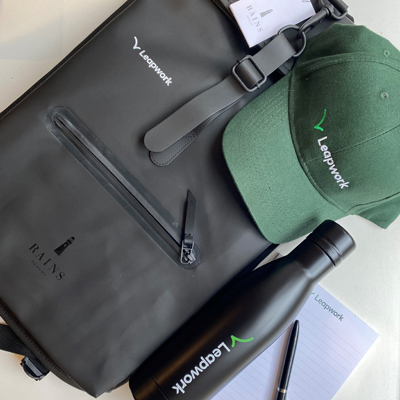
The Leapwork team will demonstrate how Leapwork breaks down the barriers between humans and computers with an entirely visual no-code system. Plus they have a RAINS backpack* & some swanky swag for the EuroSTAR attendees who enter their booth draw.

Noesis

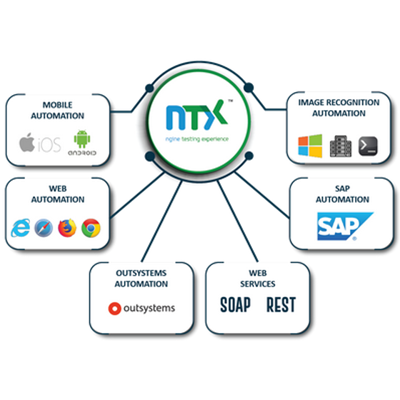
The Noesis team will be on hand at EuroSTAR to discuss how their services and solutions support clients in digital transformation. This year they are offering a free trial of their NTX tool (Ngine Testing Experience) which you can claim on their booth.

Parasoft

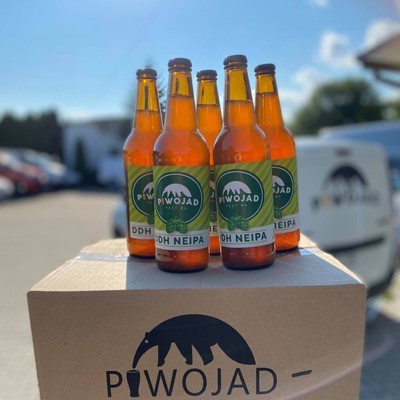
Stop by the Parasoft booth at EuroSTAR and enter their draw to win an IPA tasting session* with a private virtual brewery tour for your team (up to 10 people).  Learn how Parasoft supports the embedded, enterprise, and IoT markets.

SmartBear

Cliodhna, Edwin and Colin are excited to chat with you about SmartBear tools; Swagger, Cucumber, ReadyAPI, Zephyr, TestComplete – used by 7 million developers, testers, and operations engineers. They have a €200 gift card for one lucky EuroSTAR attendee!

*Please note that photos are representations only. All prize details will be provided by each partner and these photos do not indicate the exact make or model of what is being provided.

The EuroSTAR Conference hosts the largest software testing expo of testing tools and service providers. You’ll get to meet and speak with a host of solutions providers who can help your team deliver on projects and achieve company targets. Chat with them in their virtual booth and stop by their demo sessions which offer learning opportunities to all attendees.

This is all part of three jam packed days at EuroSTAR 2021. Kicking off on Tuesday 28th September with 14 half day tutorials, followed by Wednesday and Thursday’s line up of inspiring keynote speakers, energetic lightning talks, engaging track talks from across the globe and a wide variety of bonus community sessions.

EuroSTAR Limited Edited T-Shirts

On top of all of the fantastic partner giveaways at EuroSTAR this year, we also have a number of limited edition EuroSTAR 2021 ‘Engage’ t-shirts. If you want to get your hands on one of these, watch out for pop up opportunities during all 3 days of the conference. Hint… the more you engage the more chance you’ll have 🙂

If you haven’t yet bought your ticket, check out our Expo partner pages linked about for a 20% discount code.

See you there!

Filed Under: EuroSTAR Conference, EuroSTAR Expo, Virtual Conference Tagged With: Expo

6 strategies for building AI-based software

October 1, 2020 by Fiona Nic Dhonnacha

Building AI-based software

Developing software that incorporates artificial intelligence (AI) can be unpredictable, and you need a unique set of knowledge and skills to code, test, and make sense of the data. What’s more, tuning the system can take time, and the decisions AI-based software makes can sometimes be difficult to explain.

My organization specializes in developing software test automation tools that help users develop tests that run on different platforms, such as desktop computers and mobile devices. We wanted to make it even easier to write and run these tests, and avoid having to customize the test for each platform.

Our research led to adopt natural-language processing, which allows users of our software to describe a test using simple English, and computer vision with optical character recognition to identify the objects on a screen.

Here are the lessons we learned that you can apply as you incorporate AI concepts into your products.

Make data an integral part of planning

An artificial neural network (ANN) is a layered structure of algorithms designed to use data to make intelligent decisions without human intervention. We incorporated an ANN in our system, fed it with hundreds of thousands of data samples, and let it do its magic to make informed decisions.

In a system that’s heavily based on data, planning is essential. We had to address:

  • What data we needed to train the model
  • How to acquire, clean and classify that data
  • How to obtain additional data from customers

This required expanding the role of the product management team, which traditionally focuses on the features and capabilities of the product, to include overseeing the data-related aspects of the system. That included defining the scope of the data, the acceptance criteria for the data, and how data was to be used within our AI models.

Lesson learned: Data must be front and center of everything your team does, and your product managers must become familiar with the AI techniques your team is using in order to ensure consistency and reliable outcomes.

Decouple the AI model from your product

Developing and tuning an AI model can take a long time. If your application is tied closely to the model, you can only progress at the speed of the model’s development.

The AI model should be decoupled from the rest of the system and treated as a separate pipeline. This allows each piece of the system to progress at its own pace, and you can apply updates to the AI model independently. This has two key benefits:

  • You can develop and test your main product independently of the model, giving you fast feedback on product features unrelated to the AI portion of the product, and you can continue developing and training the AI model without being impeded by unrelated issues, such as a code change to the main product that breaks the build and holds everyone up until it’s resolved.
  • You can release your main product and the AI model at different cadences. This is particularly significant for users of our on-premises product, since they can install the product once and apply subsequent updates to the AI model without going through an extensive upgrade process. Given that the nature of AI models is to continuously learn, adapt, and improve, this is an important capability that allows our users to stay on the cutting edge of AI without having to wait for updates to the entire product.

Designing the system correctly to allow the AI model to be developed and deployed separately is a crucial capability that you should tackle early. Our release timeline now consists of two parallel timelines; one for the product, and one for the AI model updates.

Create cross-functional, multi-disciplinary teams

After we decoupled the AI model from the main product, our teams could develop and test it independently. But we also needed to test the system as a whole, with all of the components deployed and working together. For effective end-to-end testing, you need expertise in both AI and software testing.

We created cross-functional teams that included software engineers, data scientists, data analysts, testers, architects, and the product manager. This gave us the best of both worlds—we have experts in designing and developing AI models working alongside our software engineering and software testing specialists. In this way we can leverage the knowledge and experience of the entire team to develop, test, and deliver each component independently, as well as test the entire system holistically.

This approach has helped to cross-pollinate specialized knowledge across the team, so that our developers and testers have come to understand AI better, and our AI experts have learned to become better developers and testers.

Understand that explaining results in an AI system can be challenging

We like to think of our deep learning system as a black box that knows how to think and make decisions, but sometimes it makes decisions we weren’t expecting. When a regular software system does something unexpected, you can debug it. It might take time, but you’ll figure it out. But in an AI system, it’s almost impossible to determine the combinations and sequences of data and logic that led to a decision.

Lesson learned: The most efficient way to influence a model’s decisions is through supervised trial and error, coupled with guidance from the AI experts who understand how the model works, and who can guide the learning and tuning process toward more accurate results.

Expect longer cycle times when building the product

Traditional software products compile quickly—even large enterprise software products complete a build in no more than a few hours.

AI models are different. Training a neural net first involves gathering data samples, and then cleaning and tagging the data, which can take days, depending on the quantity and quality of the data you need. Only then can you start the training process, which can take several days for each training cycle. In our case, it takes about three days on a machine with a powerful processor to train just one model.

This is a major motivation for splitting the AI model out from the rest of the product, reducing dependencies and making it a separate and independent pipeline, as discussed above.

Retrain your AI models with customer data

It’s impossible to achieve 100% accuracy and zero defects in an autonomous, continuously improving, self-learning system. We train our AI models extensively in our own labs, but when the model is exposed to the customers’ environment, it has to make decisions about something it may not have seen before. The most effective way to tune the system so that it makes the best decisions is to augment the model’s training data with the customer’s data.

We work with our customers to improve the accuracy of our systems in their environments by obtaining their approval to use their data to retrain and optimize our models. This helps the model make better decisions, and creates better outcomes for our customers.

Apply these strategies to your own AI development

The software industry is undergoing an AI revolution, and vendors are adding new AI capabilities to their products every day. My organization has made significant adjustments to the way we develop and deliver software, and we have restructured our teams to include experts in AI—something you’ll need to do as well. We also work more closely than ever with our customers to learn from their environments and improve their outcomes.

AI development might be challenging, but it’s worthwhile. If you’re joining the AI revolution, make sure you apply these strategies to your software development process to get the most out of it for your team, your product, and your users.

This story was originally published on TechBeacon.

Want to know more about AI and how to apply it to your software testing? Check out EuroSTAR Online – we’ve got a programme packed with all of the topics you care about.

                                                 ——————————————————————————————–

Jecky Toledo, esearch and Development Director at Micro FocusAuthor: Jecky Toledo, R&D Director, Micro Focus, Functional Testing


As Research and Development Director at Micro Focus, Jecky Toledo leads the groups responsible for the company’s functional testing and mobile testing portfolios. He has 20 years’ experience building and managing development teams using various methodologies, practices and delivery methods. Most recently, he has been leveraging the power of artificial intelligence and the transformation that AI-based systems bring to the entire software development lifecycle. Jecky trains in martial arts in his spare time, and is a father of three.

Filed Under: EuroSTAR Conference, EuroSTAR Expo, Virtual Conference

How to make the most of exhibiting at EuroSTAR Online

June 11, 2020 by Ronan Healy

Join these industry leaders in our Expo.

Exhibiting at EuroSTAR is one of the most cost-effective ways of getting your products and services in front of customers- as long as you’re ready to work hard to maximise your presence! On average, 75% of visitors to an exhibition are there to buy, or plan to buy in the future. The EuroSTAR audience is a highly qualified audience – so make sure your pitch is just right for them.

Exhibiting at EuroSTAR Online allows you to truly interact with potential customers and showcase your products to influential decision makers. Industry research and reports show that virtual events attract double the attendance of the previously planned live event.

To maximise on this opportunity, you first need to decide why you are exhibiting, and what you want to achieve. Have some specific, measurable targets in mind – for example,  get 300 qualified sales leads, or conduct 50 research interviews.

 Download Expo Brochure

Make sure your online presence is smart, attractive, visible and reflects well on your company. For physical events, it’s good to have one person in charge of every aspect of the event. EuroSTAR is happy to work with your whole team to familiarise you  with the virtual world.

Some studies suggest that 80% of stand success is down to your staff, so train them thoroughly and ensure they are working hard throughout the day. If you can invite people, do. Use social media, email messaging, and your website to get the message out and invite potential customers to your stand. Don’t forget, EuroSTAR Online has a free Expo Access ticket available to everyone. It is good to formulate a plan for how you will follow up all of your leads.

It’s important to let people know you are there during the conference – make the most of your virtual speaking slot, and run a prize giveaway to encourage visitors to your booth – we will provide you with all the reporting and analysis  information of those who visited and interacted with your booth! It’s easier than ever to get in-depth information on your prospective leads.

Standard best practices suggest asking open-ended questions to encourage prospects to talk about their business, issues and needs. Exhibiting at EuroSTAR Online offers you the ability to video chat with prospects at your booth.Similarly to physical events, your aim is to speak to as many prospects as possible.
Once you get the information of the visitors to your stand, have a clear nurture journey prepared. Listen to your prospect and sell the benefits, not the features, of your products or services. Make sure you can explain how your business can solve their problems. EuroSTAR Online is a three-day event, so have daily team debriefs to help you understand what you can do better the following day.

Classify all leads – don’t just take details; ensure you know who the person is and what they’re looking for, so your follow-up is personal and relevant. Remember why you are there – stay focused on your objectives. Talk less and listen more to draw more insights out of your prospect. At the end of the event, conduct a show debrief with the stand team, and identify what went well and what didn’t.
52% of EuroSTAR attendees are decision makers, so be sure to follow up leads with a personalised message or call. You may need to contact them on average six times before they convert. Make use of all the information you have gathered. For example, use attendee feedback to drive future product development.

I hope you’ve found this helpful, and keep an eye out for more articles on making the most of your partnership with EuroSTAR. If you have any questions, contact me at conor@eurostarconferences.com.

Sign up as a 2020 EuroSTAR Online Sponsor Here.

Filed Under: EuroSTAR Expo, Virtual Conference Tagged With: Expo

  • « Previous Page
  • Page 1
  • …
  • Page 3
  • Page 4
  • Page 5
  • Page 6
  • Next Page »
  • Code of Conduct
  • Privacy Policy
  • T&C
  • Media Partners
  • Contact Us

part of the