• Skip to main content
EuroSTAR 2027 - Sign up for early access

EuroSTAR Conference

Europe's Largest Software Testing Conference.

  • Programme
    • Call for Speakers
    • 2026 Programme
    • Community Hub
    • Awards
  • Attend
    • Why Attend
    • Bring your Team
    • Testimonials
  • Sponsor
    • Sponsor Opportunities
    • Sponsor Testimonials
  • About
    • About Us
    • Our Timeline
    • FAQ
    • Blog
    • Organisations
    • Contact Us
  • Book Now

Uncategorized

7 Common Test Management Challenges AI Can Solve 

June 5, 2024 by Lauren Payne

Test management is an integral part of software development that ensures that your software meets quality standards, is bug-free, and performs as expected. Unfortunately, there are some challenges in test management systems, causing significant issues while impacting application speed and quality. As software complexity grows, so do the difficulties in managing testing processes efficiently.  To deal with the evolving challenges related to test management and software complexity, artificial intelligence (AI) plays a vital role. AI offers innovative solutions to many of these challenges. In this blog post, we’ll explore seven common test management challenges and how AI can solve them. 

Navigating Key Challenges in Test Management 

Efficient test management, improved productivity, increased ROI, and faster time to market are the things that every organization expects from its test management solutions. There are many aspects that stop companies from achieving the best results from their test management processes. They may experience inadequate test coverage, resulting from a lack of thorough testing across all possible scenarios, compromising the product’s quality and introducing the risk of undetected defects.  

Similarly, inefficient test case prioritization leads to a misallocation of resources, with critical areas receiving insufficient attention. Thereby prolonging testing cycles and delaying time for the market. Moreover, insufficiently realistic test data fails to accurately simulate real-world scenarios, hindering the effectiveness of testing efforts and resulting in potential oversights.   In case of having flaky test cases in test cycles, testers may experience inconsistency and uncertainty in the testing process. It can delay product release and affect ROI. These challenges collectively contribute to inefficient productivity, as valuable time and resources are wasted on ineffective testing methods. Efficiency suffers as testing cycles become prolonged and repetitive due to the need for rework and debugging. Consequently, ROI is impacted negatively as the cost of rectifying defects increases. Plus, the time to market is delayed, leading to missed opportunities and potential revenue loss. It is crucial to address these challenges effectively to optimize productivity, efficiency, ROI, and time to market in the software development lifecycle. Let’s learn how AI-powered solutions can address test management challenges. 

1. Difficulty in Test Case Prioritization 

In simple words, test case prioritization (TCP) refers to arranging test cases based on their significance, functionality, and potential impacts on the software and running them in the correct order. However, prioritizing test cases effectively is a challenging task in test management. With limited time and resources, it’s essential to focus your testing efforts on the most critical areas of an application. 

Test Case Prioritization can help in efficient test management 

Integration of AI in your test management solutions can help you with efficient test case prioritization. It analyzes factors like code changes, historical defect data, and business impact to automatically prioritize test cases. Machine learning algorithms can adapt over time, continuously improving prioritization based on past results and changing project requirements. By leveraging AI for test case prioritization, teams can optimize testing efforts and identify high-risk areas early in the development cycle. 

It helps to Improve efficiency and reduce time to market as resources are allocated more effectively, ensuring that high-risk areas are thoroughly tested early in the development cycle. 

2. Incomplete Test Coverage 

Achieving comprehensive test coverage is essential for identifying potential defects and ensuring the overall quality of the software. In a traditional test management system, when test creation is a manual aspect, you may not have complete test coverage, leaving critical areas untested. This incomplete test coverage is a common challenge in software testing, leaving potential defects undetected. Besides manual issues, many other factors can lead to incomplete test coverage, such as time constraints, resource limitations, or oversight in test case creation. Incomplete test coverage increases the risk of releasing software with undiscovered bugs, which can lead to customer dissatisfaction, costly rework, and damage to the organization’s reputation. 

Comprehensive test coverage can make test management better and improve productivity 

To address the issue of incomplete test coverage, organizations can leverage artificial intelligence (AI) solutions that offer innovative approaches to test case generation, prioritization, and optimization. AI-powered test management tools can analyze application requirements and usage patterns to generate test cases automatically, ensuring comprehensive coverage across various scenarios and edge cases. By using AI for test case generation, teams can enhance the effectiveness of their testing efforts and minimize the risk of overlooking critical functionalities. 

3. Availability of effective Test Data 

Realistic and diverse test data plays a crucial role in effective software testing. It allows testers to simulate real-world scenarios and ensure comprehensive coverage of the application under test. However, generating and managing test data manually can be time-consuming and error prone. Plus, manually generated data may not always represent the diversity of data encountered in production environments. This can lead to insufficient test coverage and potentially overlook critical edge cases and scenarios. 

Availability of effective Test Data improves productivity and reduces time to market  

AI offers innovative solutions to address the challenge of test data availability by automating test data generation, management, and optimization. AI-driven test data generation tools can analyze application requirements and usage patterns to generate synthetic test data automatically. These tools use machine learning algorithms to simulate real-world scenarios, enabling thorough testing without compromising data privacy or security. Apart from synthetic test data generation, AI- AI tools can analyze existing data sources to profile and identify patterns, correlations, and anomalies within the data. Plus, AI-driven test data solutions can easily be integrated with existing testing workflows and tools, allowing testers to easily access and utilize generated test data within their testing environments.  As a result, testers can conduct thorough testing without delays caused by manual data generation, improving productivity and time to market. 

4. Bottlenecks Caused by Flaky Test Cases 

A flaky test case is one that exhibits non-deterministic behavior when executed repeatedly within the same environment, resulting in intermittent results. Flaky test cases can cause delays and inconsistencies in test results and reduce the testing process’s reliability. 

Flaky test case detection can help with efficiency and reduced time to market 

AI-powered tools can analyze test scripts and execution logs to identify and address flakiness automatically. With machine learning algorithms, these testing tools can identify patterns indicative of flaky behavior and suggest corrective actions to ensure consistent and reliable test results. For instance, QMetry’s test management platform allows testers to gain control over flaky tests is identifying them using a “Flaky Score” derived from its execution history. With AI-powered flaky test detection and mitigation processes, testers can minimize disruptions in the testing process and improve the overall reliability of their testing efforts. 

Flaky test detection not only increases efficiency and reduces time to market but also allows testers to focus on productive tasks without being hindered by inconsistent test results. 

5. Unidentified Defects passing on final product

Detecting and resolving defects early in the development process is critical for delivering high-quality software. However, identifying potential defects among thousands of lines of code can be challenging, even for experienced testers. 

Efficient defect detection helps with better test management, faster time to market, and improves ROI 

AI-driven defect detection models can analyze code changes and historical defect data to identify patterns indicative of potential defects. Machine learning algorithms can predict which code changes are most likely to introduce defects, allowing developers and testers to focus their efforts on high-risk areas. By incorporating an AI-powered defect prediction system into their test management processes, testers can proactively address quality issues and minimize the impact of defects on the final product. 

Therefore, AI-powered defect detection can help with better test management, faster time to market, and improved ROI as defects are detected and resolved before they impact the final product. 

6. Managing Test Environment 

Managing test environments with diverse configurations, dependencies, and constraints is a huge challenge for many development testing teams. When testers try to deploy and configure test environments manually, it can lead to inconsistencies, delays, and resource contention. 

Better test environment management can Increase productivity and reduce time to market 

AI-driven test environment management solutions can help testers to manage test environments in a better way. Using infrastructure as code (IaC) and configuration management tools, AI-powered solutions can automate test environment provisioning, configuration, and maintenance. Using machine learning algorithms, AI-driven solutions can optimize resource utilization, predict capacity requirements, and proactively identify potential bottlenecks or failures. By incorporating AI-driven test environment management into workflows, testers can ensure reliable and consistent test environments throughout the software development lifecycle.  It influences increased productivity and reduced time to market as testers can focus on testing activities rather than dealing with manual deployment and configuration of test environments. 

7. Test Result Analysis: 

Test results analysis to identify trends or patterns plays a significant role in improving test coverage and reliability. In case of traditional test management systems, manually reviewing test results and logs is time-consuming and error-prone, especially in large-scale testing environments. 

Efficient test result analysis can improve the efficiency and reliability of testing efforts  

With AI integration, test result analysis becomes easy and more efficient. AI-powered test result analysis tools can aggregate and analyze test results from multiple sources, such as automated tests, manual tests, and performance tests. The application of machine learning algorithms enables these tools to identify correlations between test outcomes, code changes, and environmental factors. These tools can also perform root cause analysis and trend prediction. AI-driven test management tools allow testers to gain valuable insights into their testing processes and make data-driven decisions to improve quality and efficiency. 

Key Takeaway  

Test management can be complex and challenging with traditional methods and tools. However, AI offers innovative solutions to many of its inherent difficulties. AI-powered test management solutions offer technologies like machine learning, predictive analytics, and natural language processing to overcome common test management challenges and improve the efficiency, effectiveness, and reliability of their testing processes. 

From test case prioritization to test environment management, AI-driven solutions have the potential to revolutionize the way software is tested and validated. AI can lead to faster release cycles, higher-quality products, and improved customer satisfaction. As AI continues to advance, its role in test management will only become more significant, empowering organizations to meet the demands of their users and sustain in a competitive software landscape. 

 Modern AI-powered tools like QMetry Test Management for Jira by QMetry can help you to manage all your testing activities through integrated tracking tools (e.g. Jira) and automation frameworks.  

QMetry’s second-offering QMetry Test Management is designed for Agile and DevOps teams.  These products are fully integrated into CI/CD pipelines giving testing teams and leaders full control over testing projects. These tools also manage manual testing seamlessly. 

Both QMetry Test Management and QMetry Test Management for Jira offer scalable, compliant, and secured test management that allows you to deal with different testing challenges. Gen AI offerings of these tools have features like smart search, auto test case generation, and flaky test case detection making your testing super-efficient. These tools have   potential of reducing time to market, improving ROI, and increasing efficiency. 

Want to learn more about these test management products and how they can improve your test management experience? Schedule a call now! 

Author

Deepak Parmar, Global Product Marketing Leader at Qmetry

QMetry is an innovative leader in AI enabled test management and automation products for Agile and DevOps teams that empower enterprises to build, manage, and deploy quality software at speed with confidence. QMetry is revolutionizing testing through AI-driven test authoring, test execution, and quality analytics for agile teams globally. Experience QMetry’s AI – enabled Test Management powered by QMetry Intelligence (Gen AI) delivering quality at speed and scale. It is a powerful, scalable, compliance driven quality orchestration platform that enables quality at speed with improved ROI.” 

QMetry is an exhibitor at EuroSTAR 2024, join us in Stockholm.

 

Filed Under: Exploratory Testing, Uncategorized Tagged With: 2024, EuroSTAR Conference, Expo

Exploring Stockholm’s Station Art

May 21, 2024 by Suzanne Meade

Stockholm, the vibrant capital of Sweden, is renowned for its rich cultural heritage, stunning architecture, and progressive urban design. When you are catching the train to Stockholmsmässan for the EuroSTAR Conference, check out the remarkable station art spread throughout the city’s metro system. These underground stations serve as canvases for artists to showcase their creativity, reflecting Sweden’s commitment to art accessibility and public engagement.

The Stockholm metro, also known as the Tunnelbana, is more than just a means of transportation. It’s a journey through time and artistry. With over 100 stations, each with its unique aesthetic, the metro system doubles as a sprawling art gallery. From colourful murals to intricate sculptures, every station offers something distinct, providing passengers with a visual feast.

The Origins of Station Art

The tradition of adorning metro stations with art dates back to the 1950s when Stockholm’s local government decided to invest in making public spaces more appealing. What began as an initiative to combat vandalism quickly evolved into a celebration of cultural expression. Today, the Stockholm metro boasts one of the most extensive and impressive collections of underground art worldwide.

The station art reflects a diverse range of themes and motifs, drawing inspiration from history, nature, mythology, and contemporary issues. Some stations pay homage to Sweden’s rural landscapes with depictions of forests, lakes, and wildlife, while others showcase abstract designs and avant-garde sculptures, pushing the boundaries of traditional art forms.

Stockholm Station Art Underground Metro

Notable Stations to Explore

  1. T-Centralen: Serving as the central hub of Stockholm’s metro network, T-Centralen features mesmerizing blue-and-white artwork created by Swedish artist Per Olof Ultvedt. The ceiling resembles a starry night sky, with intricate patterns evoking constellations, offering commuters a celestial experience as they traverse the station’s bustling corridors.
  2. Stadion: Designed by the celebrated artist Siri Derkert, Stadion station is a visual ode to the Olympic Games. Bold geometric shapes and vibrant colours adorn the walls, symbolizing athleticism, unity, and human achievement. The station’s dynamic energy captures the spirit of sport and camaraderie.
  3. Kungsträdgården: Translating to “King’s Garden,” this station is a subterranean oasis adorned with relics of Stockholm’s past. Visitors are greeted by ancient sculptures, remnants of historical buildings, and fossilized tree stumps, reminiscent of an archaeological site. Kungsträdgården station serves as a time capsule, bridging the gap between the city’s past and present.

Station art in Stockholm transcends mere decoration; it serves as a catalyst for social engagement and dialogue. By integrating art into everyday spaces, the city fosters a sense of community ownership and pride. Whether commuting to the EuroSTAR Conference or exploring the city’s hidden gems during conference week, every journey through the Stockholm metro is a voyage through art and imagination.

Filed Under: Uncategorized Tagged With: EuroSTAR Conference

The Art of Fika in Stockholm

May 16, 2024 by Suzanne Meade

As you gear up for the EuroSTAR Software Testing Conference in the vibrant city of Stockholm, there’s one local tradition you simply can’t afford to miss – Fika. Pronounced “fee-ka,” this Swedish coffee break ritual embodies the essence of social connection, relaxation, and indulgence in the midst of a busy day.

More than Coffee and Cake

In Sweden, Fika isn’t merely about grabbing a quick caffeine fix or satisfying your sweet tooth. It’s a cherished tradition deeply ingrained in the fabric of Swedish culture. Picture this: it’s 10 a.m. or 3 p.m., and you find yourself sitting with colleagues, friends, or even newfound connections from the conference. You’re sipping on a steaming cup of coffee or tea, accompanied by delectable pastries like cinnamon buns or a variety of other baked goods. Fika offers more than just a culinary experience – it’s a moment of respite, rejuvenation, and meaningful connection.

Popular Fika Spots in Stockholm

During your time in Stockholm, you’ll find ample opportunities to partake in Fika. Here are some recommended spots in the city center – just 10 minutes by train from Stockholmsmässan:

Fika Cafés
  1. Café Pascal: Nestled in the heart of Stockholm, Café Pascal is a cozy haven for Fika enthusiasts. Indulge in their freshly brewed coffee and mouthwatering pastries while soaking in the charming ambiance.
  2. Fabrique Bakery: With multiple locations across Stockholm, Fabrique Bakery is renowned for its artisanal bread, pastries, and, of course, Fika offerings. Treat yourself to their signature cinnamon buns or cardamom rolls for a truly authentic Swedish experience.
  3. Drop Coffee: For coffee connoisseurs seeking a premium Fika experience, Drop Coffee is the place to be. This specialty coffee roastery and café boasts a carefully curated selection of beans and a cozy atmosphere perfect for savoring your coffee break.
  4. Vete-Katten: Step back in time at Vete-Katten, a historic café dating back to 1928. Located in the heart of Stockholm, this iconic establishment exudes old-world charm and serves up a delectable array of traditional Swedish pastries and cakes.

So, if you are attending the EuroSTAR 2024 Software Testing Conference in Stockholm this June, don’t forget to pause, take a deep breath, and indulge in the art of Fika.

Filed Under: Uncategorized Tagged With: EuroSTAR Conference

Myth vs. Reality: 10 AI Use Cases in Test Automation Today

March 5, 2024 by Lauren Payne

For decades, the sci-fi dream of simply speaking to your device and having it perform tasks for you seemed far-fetched. In the realm of test automation and quality assurance, this dream is inching closer to reality. With the evolution of generative AI, we’re prompted to explore what’s truly feasible. Embedding AI into your quality engineering processes becomes imperative as IT infrastructures become increasingly complex and integrated, spanning multiple applications across business processes. AI can help alleviate the daunting tasks of knowing what to test, how to test it, creating relevant tests, and deciding what type of testing to conduct, boosting productivity and business efficiency.

But what’s fact and what’s fiction? The rapid evolution of AI makes it hard to predict its capabilities accurately. Nevertheless, we’ve investigated the top ten key AI use cases in test automation, distinguishing between today’s realities and tomorrow’s aspirations.

1. Automatic Test Case Generation

Reality: AI can generate test cases by analyzing user stories along with requirements, code, and design documents, including application data and user interactions. For instance, large language models (LLMs) can interpret and analyze textual requirements to extract key information and identify potential test scenarios. This can be used with static and dynamic code analysis to identify areas in the code that present potential vulnerabilities requiring thorough testing. Integrating both requirement and code analysis can help generate potential manual test cases that cover a broad set of functionalities in the application.

Myth: But here’s the caveat: many tools on the market that enable automated test case generation create manual tests. They are not automated. To create fully automated, executable test cases is a use case that remains a myth and still requires further proof. Additionally, incomplete, ambiguous, or inconsistent requirements may not always generate the right set of tests, and this requires further development. Test cases may not always cover edge cases or highly complex scenarios, nor are they able to cover completely new applications. Analysing application and user interaction data may not always be possible. As a result, human testers will always be required to check the completeness and accuracy of the test suites to consider all possible scenarios.

2. Autonomous Testing

Reality: Autonomous testing automates the automation. Say what? Imagine inputting a prompt into an AI model like “test that a person below the age of 18 is not eligible for insurance.” The AI would then navigate the entire application, locate all relevant elements, enter the correct data, and test the scenario for you. This represents a completely hands-off approach, akin to Forrester’s level 5 autonomous state.

Myth: But are we there yet? Not quite, though remarkable technologies are bridging the gap. The limitation of Large Language Models (LLMs) is their focus on text comprehension, often struggling with application interaction. For those following the latest in AI, Rabbit has released a new AI mobile phone named r1 that uses Large Action Models (LAMs). LAMs are designed to close this interaction gap. In the realm of test automation, we’re not fully there. Is it all just hype? It’s hard to say definitively, but the potential of these hybrid LAM approaches, which execute actions more in tune with human intent, certainly hints at a promising future.

3. Automated Test Case Design

Reality: AI is revolutionising test case design by introducing sophisticated methods to optimise testing processes. AI algorithms can identify and prioritise test cases that cover the most significant risks. By analyzing application data and user interactions, the AI can determine which areas are more prone to defects or have higher business impact. AI can also identify key business scenarios by analysing usage patterns and business logic to auto-generate test cases that are more aligned with real-world user behaviors and cover critical business functionalities. Additionally, AI tools can assign weights to different test scenarios based on their frequency of use and importance. This helps in creating a balanced test suite that ensures the most crucial aspects of the application are thoroughly tested.

Myth: However, AI cannot yet fully automate the decision-making process in test suite optimisation without human oversight. The complexity of certain test scenarios still requires human judgment. Moreover, AI algorithms are unable to auto-generate test case designs for new applications, especially those with highly integrated end-to-end flows that span across multiple applications. This capability remains underdeveloped and, for now, is unrealised.

4. Testing AI Itself

Reality: As we increasingly embed AI capabilities into products, the question evolves from “how to test AI?” to “how to test AI, gen AI, and applications infused with both?” AI introduces a myriad of challenges, including trust issues stemming from potential problems like hallucinations, factuality issues, and explainability concerns. Gen AI, being a non-deterministic system, produces different and unpredictable outputs. Untested AI capabilities and AI-infused applications can lead to multiple issues, such as biased systems with discriminatory outputs, failure to identify high-risk elements, erroneous test data and design, misguided analytics, and more.

The extent of these challenges is evident. In 2022, there were 110 AI-related legal cases in the US, according to the AI Index Report 2023. The number of AI incidents and controversies has increased 26-fold since 2021. Moreover, only 20% of companies have risk policies in place for Gen AI use, as per McKinsey research in 2023.

Myth: Testing scaled AI systems, particularly Gen AI systems, is unexplored territory. Are we there yet? While various approaches and methodologies exist for testing more traditional neural network systems, we still lack comprehensive tools for testing Gen AI systems effectively.

AI Realities in Test Automation Today

The use cases that follow are already fully achievable with current test automation technologies.

5. Risk AI

It’s a significant challenge for testers today to manage hundreds or thousands of test cases without clear priorities in an Agile environment. When applications change, it raises critical questions: Where does the risk lie? What should we test or prioritize based on these changes? Fortunately, risk AI, also known as smart impact analysis, offers a solution. It inspects changes in the application or its landscape, including custom code, integration, and security. This process identifies the most at-risk elements where testing should be focused. Employing risk AI leads to substantial efficiency gains in testing. It narrows the testing scope, saving considerable time and costs, all while significantly reducing the risk associated with software releases.

6. Self-Healing

By identifying changes in elements at both the code and UI layer, AI-powered tools can auto-heal broken tests after each execution. This allows teams to stabilize test automation while reducing time and costs on maintenance. Want to learn more about how Tricentis Tosca supports self-healing for Oracle Fusion and Salesforce Lightning and Classic? Watch this webinar.

7. Mobile AI

Through convolutional neural networks, mobile AI technology can help testers understand and analyze mobile interfaces to detect issues in audio, video, image quality, and object steering. This capability helps provide AI-powered analytics on performance and user experience with trend analysis across different devices and locations, helping to detect mobile errors rapidly in real time. Tricentis Device Cloud offers a mobile AI engine that can help you speed up mobile delivery. Learn more here.

8. Visual Testing

Visual testing helps to find cosmetic bugs in your applications that could negatively impact the user experience. The AI works to validate the size, position, and color scheme of visual elements by comparing a baseline screenshot of an application against a future execution. If a visual error is detected, testers can reject or accept the change. This helps improve the user experience of an app by detecting visual bugs that otherwise cannot be discovered by functional testing tools that query the DOM.

9. Test Data Generation

Test data generation using AI involves creating synthetic data that can be used for software testing. By using machine learning and natural language processing, you can produce dynamic, secure, and adaptable data that closely mimics real-world scenarios. AI achieves this by learning patterns and characteristics from actual data and then generating new, non-sensitive data that maintains the statistical properties and structure of the original dataset, ensuring that it’s realistic and useful for testing purposes.

10. Test Suite Optimisation

AI algorithms can analyze historical test data to identify flaky tests, unused tests, redundant or ineffective tests, tests not linked to requirements, or untested requirements. Based on this analysis, you can easily identify weak spots or areas for optimization in your test case portfolio. This helps streamline your test suite for efficiency and coverage, while ensuring that the most relevant and high-impact tests are executed, reducing testing time and resources.

What about AI’s role in performance testing, accessibility testing, end-to-end testing, service virtualization, API testing, unit testing, and compatibility testing, among others? We’ve only just scraped the surface and begun to explore the extensive range of use cases and capabilities that AI potentially offers today. Looking ahead, AI’s role is set to expand even further, significantly boosting QA productivity in the future.

As AI continues to evolve, offering tremendous benefits in efficiency, coverage, and accuracy, it’s important to stay cognizant of its current limitations. AI does not yet replace the need for skilled human testers, particularly in complex or nuanced scenarios. AI still lacks the human understanding needed to ensure full software quality. Developing true enterprise end-to-end testing spanning multiple applications across web, desktop, mobile, SAP, Salesforce, and more requires a great deal of human thinking and human ingenuity, including the capability to detect errors. The future of test automation lies in a balanced collaboration between AI-driven technologies and human expertise.

Want to discover more about Tricentis AI solutions and how they can cater to your unique use cases? Explore our innovative offerings.

Tricentis offers next-generation AI test automation tools to help accelerate your app modernisation, enhance productivity, and drive your business forward with greater efficiency and superior quality.

Author

Simona Domazetoska – Senior Product Marketing Manager, Tricentis

Tricentis is an EXPO Gold Sponsor at EuroSTAR 2024, join us in Stockholm

Filed Under: EuroSTAR Conference, Gold, Sponsor, Test Automation, Uncategorized Tagged With: 2024, Expo, software testing tools, Test Automation

Uncover Stockholm: 10 Top Experiences

February 28, 2024 by Fiona Nic Dhonnacha

As you prepare to delve into 4 great days of learning at EuroSTAR, don’t forget to plan some time to explore the vibrant cityscape just outside the conference doors. Stockholm is brimming with character, and offers a plethora of experiences that seamlessly blend its rich history with modern innovation. Explore history, culture, and nature – from scenic waterways, to gorgeous green spaces and mighty museums. Here are the top 10 things to do in Stockholm.

book ticket to eurostar

Gamla Stan (Old Town)

Begin your Stockholm adventure by stepping back in time at Gamla Stan. Wander through narrow cobblestone streets lined with colorful buildings, explore the Royal Palace, and soak in the medieval charm of the oldest part of the city.

Vasa Museum

Dive into maritime history at the Vasa Museum, home to the only preserved 17th-century ship in the world. Marvel at the intricate craftsmanship of the Vasa warship, which sank on its maiden voyage and was salvaged centuries later.

A boat installation at the Vasa Museum in Stockholm
The Vasa is the best-preserved seventeenth-century ship in the world

Skansen Open-Air Museum

Experience Swedish culture and heritage come to life at Skansen, the world’s oldest open-air museum. Encounter traditional Swedish dwellings, meet native wildlife, and witness craftsmen at work, providing a glimpse into Sweden’s past.

Fotografiska

Delve into the realm of contemporary photography at Fotografiska. Admire thought-provoking exhibitions from both established and emerging artists while enjoying panoramic views of Stockholm’s waterfront.

Djurgården Island

Escape the hustle and bustle of the city and retreat to Djurgården Island. Whether you fancy a leisurely stroll, a bicycle ride through lush greenery, or a picnic by the water, Djurgården offers a tranquil oasis in the heart of Stockholm.

ABBA: The Museum

A treat for ABBA fans! Immerse yourself in the world of Sweden’s most iconic pop group at ABBA: The Museum. Sing along to timeless hits, explore interactive exhibits, and unleash your inner dancing queen.

The ABBA museum in Stockholm
Have the time of your life at the ABBA museum!

Royal Djurgården Park

Embrace the serenity of nature at Royal Djurgården Park. Take a leisurely stroll along picturesque pathways, marvel at lush gardens, and encounter iconic landmarks such as the Rosendal Palace and the Kaknäs Tower.

Stureplan District

Indulge in Stockholm’s vibrant nightlife scene at Stureplan. Rub shoulders with locals and fellow conference attendees at chic bars, trendy clubs, and cozy pubs, ensuring an unforgettable evening in the Swedish capital.

City of Stockholm evening at the Nobel Museum

The City of Stockhom evening is part of the optional networking experience for EuroSTAR attendees. Step into the iconic City Hall, and enjoy an enchanting evening in the Nobel Prize ceremony venue with a Swedish buffet, drinks and community connections.

Stockholm Sunset Cruise

As an extra bonus, enjoy an exclusive sunset cruise departing from City Hall, offering a unique perspective of Stockholm’s city skyline. Cruise capacity is limited. Secure your spot now to add this bonus to your evening.

There’s so much to explore, and lots of memories to be created – book your EuroSTAR ticket now, to join your testing peers in Stockholm this June.

book eurostar tickets

Filed Under: Uncategorized

Software Testing In Regulated Industries

February 27, 2024 by Lauren Payne

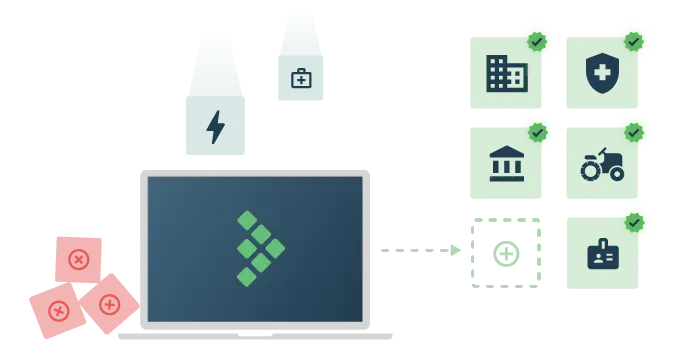
In today’s landscape of digital adoption and the rapid growth of software technologies, many domains leveraging technology are within regulated industries. However, with the introduction of more technology comes the need for more software—and more software testing. This article will touch on the unique attributes, challenges, and considerations of software testing within these regulated domains.

Defining “regulated” industries

While many industries have specific guidelines and domain nuances, we will refer to “regulated” industries as those that are governed by overarching regulatory compliance standards or laws. 

These governance standards in most cases impact the depth, agility, and overall Software Development Lifecycle (SDLC) on how these standards are developed into requirements and then validated.

Below is a sampling of some of these domains:

  • Healthcare
  • Manufacturing
  • Banking/Finance
  • Energy
  • Telecommunications
  • Transportation
  • Agriculture
  • Life sciences 

Unique requirements

Common characteristics that teams will likely encounter when analyzing the software quality/testing requirements in these environments include:

  • Implementation of data privacy restriction laws (like HIPAA)
  • Detailed audit history/logging of detailed system actions
  • Disaster recovery and overall data retention (like HITRUST)
  • High standards for traceability and auditing “readiness”
  • Government compliance and/or oversight (like the Food and Drug Administration / FDA)

These common regulatory requirements are critical for planning and executing testing and establishing a quality of recording artifacts essential to supporting auditing and traceability.

Testing considerations & planning

Many testers and their teams are now being proactive in using paradigms such as shift-left to get early engagement during the SDLC. As part of early requirements planning through development and testing, specialized considerations should be taken within these regulated industries.

Requirements & traceability

  • The use of a centralized test repository for both manual and automation test results is critical
  • Tests and requirements should be tightly coupled and documented
  • Product owners and stakeholders should be engaged in user acceptance testing and demos to ensure compliance
  • Test management platforms should be fully integrated with a requirement tracking  platform, such as Jira

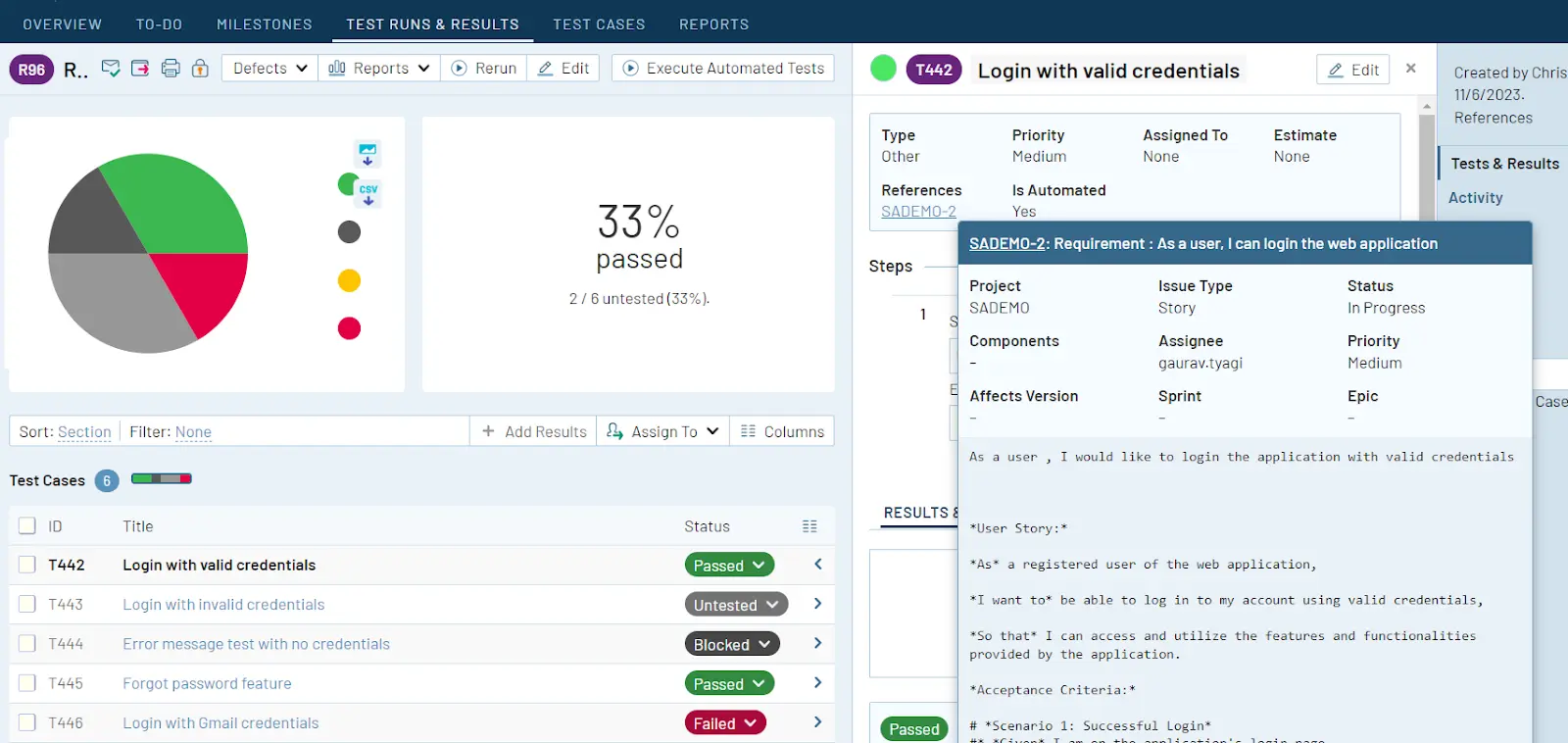
Image: The TestRail Jira integration is compatible with compliance regulations and flexible enough to integrate with any workflow, achieving a balance between functionality and integration.

Once teams have solidified a process for defining and managing requirements and traceability, it becomes imperative to ensure that the quality of test records is not only accessible but also restricted to those who require it. 

This controlled access is crucial, particularly in auditing situations, where the accuracy and reliability of test records may play a critical role. This approach for access controls is commonly referred to as the “least privilege” principle.

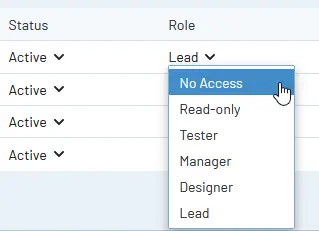
Image: With TestRail Enterprise role-based access controls, you can delegate access and administration privileges on a project-by-project basis

Test record access controls

  • Limit test management record access to the minimum required for team members
  • Ensure only current active team members have test record access
  • Implement a culture of peer reviews and approval to promote quality and accurate tests

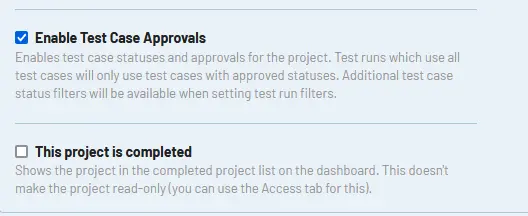
Image: TestRail Enterprise teams can implement a test case approval process that ensures test cases meet organizational standards.

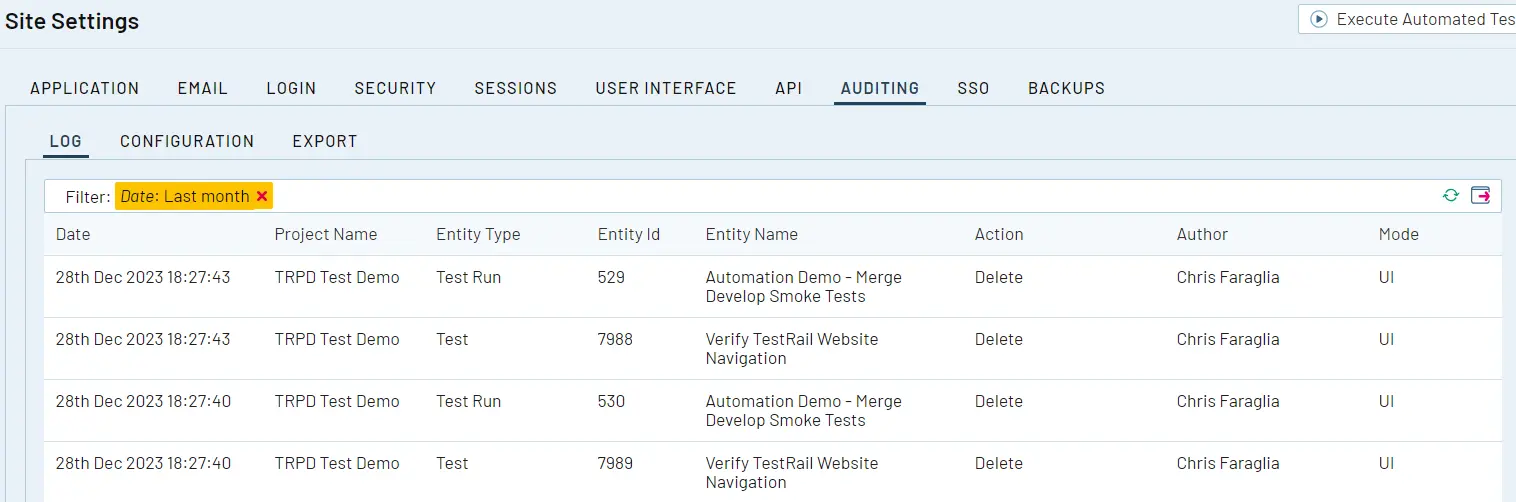
As test cases and test runs are created manually or using test automation integrations like the TestRail CLI, it is important to maintain persistent audit logging of these activities. Within regulated industries, audit requirements and “sampling” may require investigation of the history and completeness of a given test that was created and executed against a requirement.

Image: TestRail Enterprise’s audit logging system helps administrators track changes across the various entities within their TestRail instance. With audit logging enabled administrators can track every entity in their installation.

Audit history

It’s important to maintain a log that allows viewing of historical data on test case creation and execution. This supports audit readiness for requirements validation traceability.

Lastly, as teams focus on the development, testing, and delivery of software, we have to be mindful of disaster recovery and data retention of the artifacts we create. 

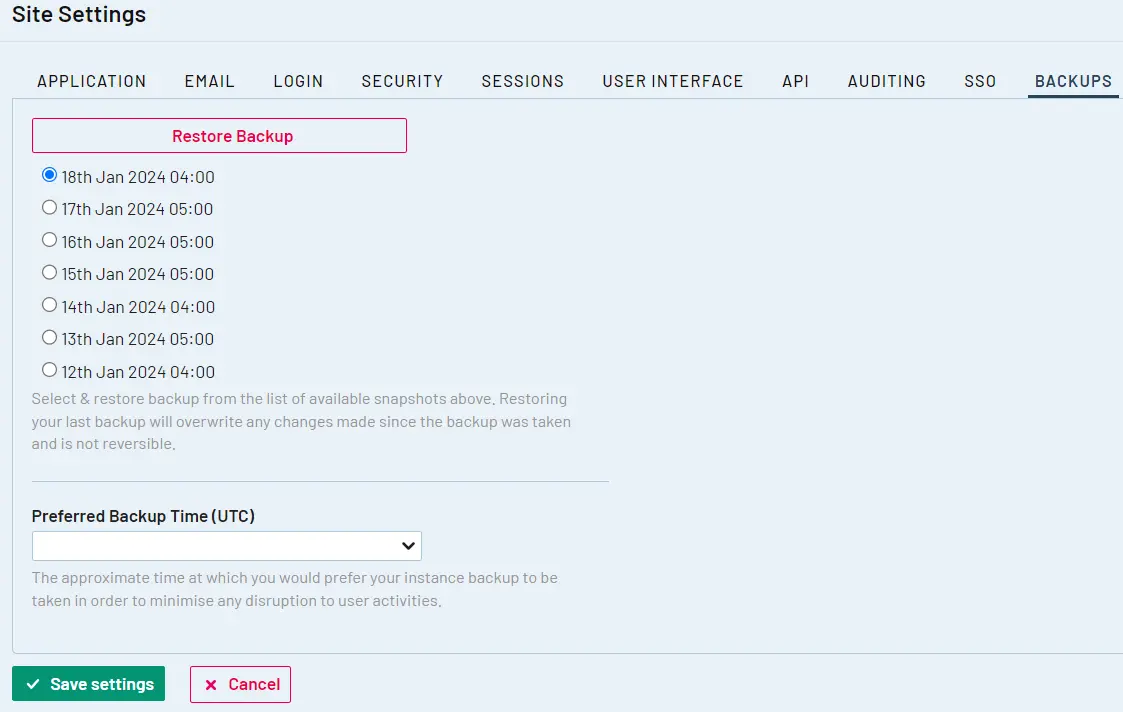
In the same thought process as disaster recovery of a given system under test, the quality of records for testing and release must persist to support compliance requirements and audits. Although centralized test management platforms with integrated restore capabilities are preferred, various tools and processes can be used to achieve this.

Image: TestRail Enterprise’s configurable backup and restore administration features enable administrators to specify a preferred backup time window, see when the last backup was completed, and restore the last backup taken.

Self-assessments & internal auditing

For all teams that are iterating on engineering, testing, and overall SDLC improvements, it’s important to dedicate time to perform self-assessments. 

Self-assessments in the context of software testing and quality in regulated environments can be a highly effective tool for identifying process gaps and shortcomings. 

Self-assessment/audit evaluation criteria

Examples of critical areas to include in your self-assessments or audit readiness exercises include:

  • Having full traceability via linkage of all tests to the corresponding requirements​ artifact (such as a Jira issue or defect)
  • Tests that have been planned and executed are linked to a given release event/designation
  • Failed tests for a given release or sprint are linked to a defect artifact (such as a Jira defect)

Once a self-assessment or internal audit is performed, ensure that the team collects actionable information such as improvements to requirements traceability or more detailed disaster recovery documentation that can be used to improve the overall SDLC with a focus on core compliance best practices and standards.

Bottom line

Additional considerations and requirements must be made across the SDLC when operating teams within regulated industries. The early inclusion of these additional requirements with all team members is critical to ensuring compliance and overall success in audits and other regulatory assessments. 

Key Takeaways

  • Focus on traceability, ensure linkage of tests to requirements
  • More focus on security and access controls testing
  • Centralize all test artifacts in a repository with backups/data retention
  • Plan and execute disaster recovery validation

Watch the Testing In Regulated Industries webinar on the TestRail Youtube channel for more information on the unique challenges and characteristics of software testing in regulated industries!

Author


Chris Faraglia
, Solution Architect and testing advocate for TestRail.

Chris has 15+ years of enterprise software development, integration and testing experience spanning domains of nuclear power generation and healthcare IT. His specific areas of interests include but are not limited to test management/quality assurance within regulated industries, test data management and automation integrations.

TestRail is an EXPO Gold Sponsor at EuroSTAR 2024, join us in Stockholm.

Filed Under: Gold, Software Testing, Sponsor, Uncategorized Tagged With: 2024, EuroSTAR Conference, Expo

How to overcome common challenges in Exploratory Testing

February 20, 2024 by Lauren Payne

Exploratory testing involves testing system behaviour under various scenarios, with a predefined goal but no predefined tests. This focus on discovering the unknown makes exploratory testing both powerful and challenging.

“Exploratory testing is a systematic approach for discovering risks using rigorous analysis techniques coupled with testing heuristics.”

-Elisabeth Hendrickson

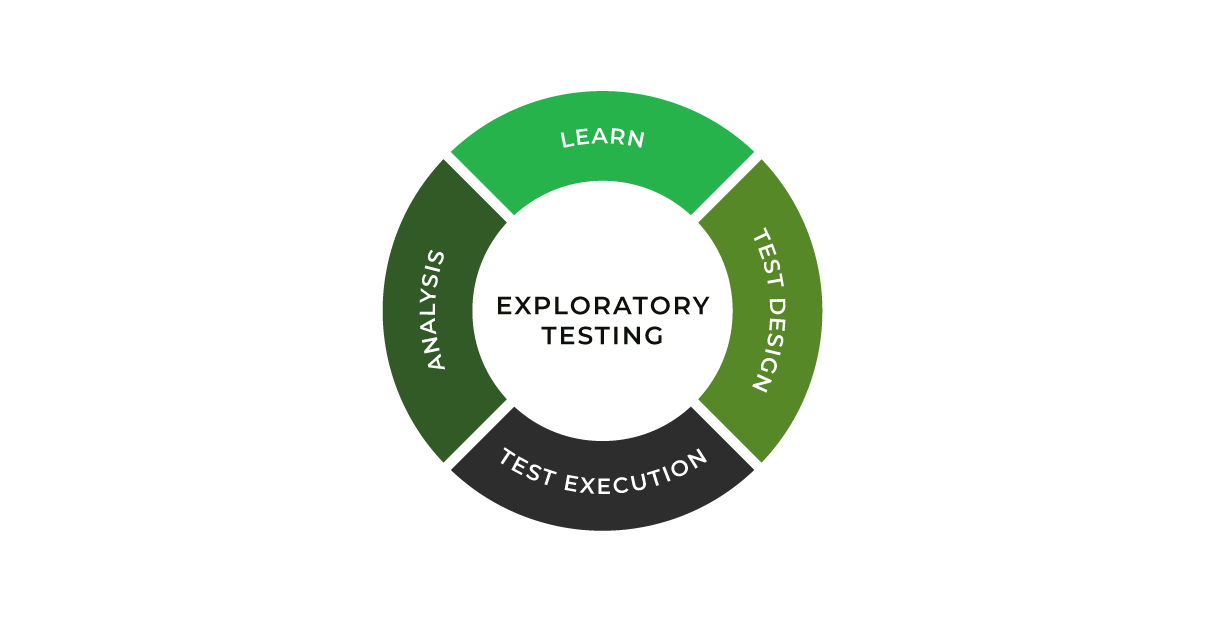
Although exploratory testing (ET) is not a new concept, its significance has increased exponentially in the dynamic field of software development. With its simultaneous learning, test design, and execution processes, ET represents a shift from the traditional, script-based testing methodologies. This approach is particularly beneficial in handling the complexities and unpredictabilities of modern software projects. It prepares testers to actively engage with the software, uncovering potential issues that scripted tests might overlook.

In exploratory testing, catching bugs is an adventure – a journey through the unknown aspects of software, where each test can reveal new insights. In the Agile world with rapid development cycles, exploratory testing stands out as a dynamic and responsive testing strategy, essential for ensuring software quality in a fast-paced environment.

Despite its advantages, exploratory testing has challenges that can interfere with its effectiveness. Testers often encounter hurdles in planning and adapting to newly discovered information, managing frequent context switches, maintaining comprehensive documentation, and effectively measuring the success of their testing efforts. Addressing these challenges is crucial for harnessing the full potential of ET. This blog will explore these common challenges and discuss how the Xray Exploratory App provides innovative solutions, enhancing the exploratory testing process and enabling testers to deliver high-quality results efficiently.

How to overcome challenges with Xray Exploratory App

The Xray Exploratory App proves to be a vital resource for successfully navigating these challenges. The tool supports the unique factors of exploratory testing, empowering testers to optimize their testing strategies while maintaining the flexibility and adaptability that exploratory testing demands. 

Planning and Learning

One of the primary challenges in exploratory testing is the balance between planning and learning. While ET is less structured than traditional testing, it still requires a level of planning to be effective. Xray Exploratory App facilitates one of the measures to counter this challenge and optimize your ET adoption –  session-based test management (SBTM). 

Testers must continuously learn from the software they are testing and adapt their approach accordingly. This requires understanding the project’s goals and the ability to quickly assimilate new information and apply it to testing strategies. One of the elements that helps with gaining the skills and experience is the structure of knowledge sharing. For example, if charters are handled as Jira stories, you get a centralized storage (a library of templates, of sorts) that has good examples which help educate any team member about the system and previous ET efforts.

Context Switching

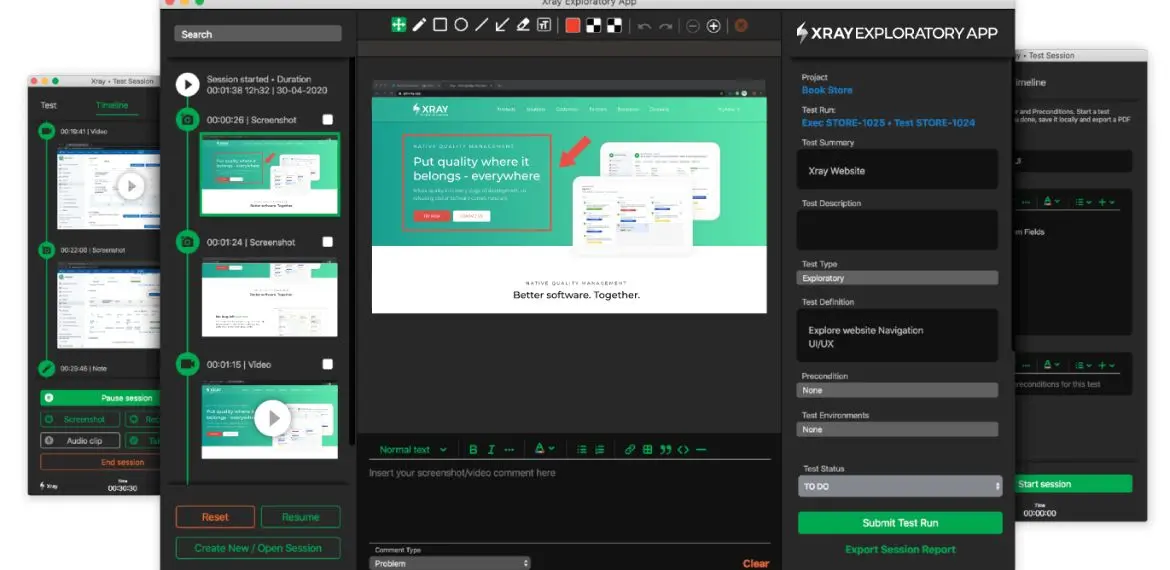
Testers in an exploratory setting often deal with context switches. They must juggle different aspects of the software, switch between various tasks, and respond to new findings in real-time. Managing these switches efficiently is crucial to maintain focus and avoid overlooking critical issues. Beyond common techniques like Pomodoro, you can leverage two key features of Xray Exploratory App – saving sessions locally and editing the detailed Timeline with all your findings.

Proper Documentation

Unlike scripted testing, where documentation is predefined, exploratory testing requires testers to document their findings as they explore. This can be challenging as it requires a balance between detailed documentation and the fluid nature of exploratory testing. Testers need to capture enough information to provide context and enable replication of failure and future test repeatability without getting bogged down in excessive detail.

Xray Exploratory App addresses this challenge with the easily created chronological history of not just text notes but also screenshots, videos, and issues/defects created in Jira during the session (which accelerates the feedback loop).

Reporting and Measuring Success

Another significant challenge in exploratory testing is effectively reporting and measuring success. Traditional testing metrics often do not apply to ET, as its dynamic nature does not lend itself easily to quantitative measurement. Defining meaningful metrics to capture the essence of exploratory testing’s success is crucial for validating its effectiveness and value within the broader testing strategy. In many cases, such definitions would be very company-specific.

The good news – the seamless integration between Xray Exploratory App and Xray/Jira allows you to leverage centralized test management features, such as real-time reporting on several possible metrics (e.g. number of defects, elapsed time). That improves visibility and allows to clearly determine the status of not only exploratory testing, but all testing activities.

For instance, if we want to track defects/issues resulting from exploratory testing, we can see them linked to the test issue in Jira/Xray, which will then allow us to check them in the Traceability report. 

Overall, these challenges, though daunting, are manageable. With the right approach and tools, testers can navigate the complexities of exploratory testing, turning these challenges into opportunities for delivering insightful and thorough software testing.

Future outlook of Exploratory Testing

Exploratory Testing is becoming more acknowledged as an indispensable part of the testing strategy, especially given the limitations of conventional scripted testing. The ability of ET to adapt and respond to the complexities and nuances of modern software development is exceptional. As we look towards the future, several key trends are emerging that are set to shape the landscape of exploratory testing.

Artificial Intelligence (AI)

AI has the potential to significantly transform exploratory testing by automating certain aspects of ideation and, more so, data analysis processes. Leveraging AI in software testing in the correct way can enhance the tester’s capabilities, enabling them to focus on more complex testing scenarios and extract deeper insights from test data. AI can assist in identifying patterns and predicting potential problem areas, making ET more efficient and effective.

Integrations with other tools

The future of exploratory testing will see greater integration with various development, testing, and business analysis tools. This compatibility will streamline the testing process, enabling seamless data flow and communication across platforms. One of the pain points this trend will aim to address is losing time in writing automation scripts as a result of ET. Such integrations will enhance the overall efficiency of the testing process, allowing testers to leverage a wider range of tools and resources during their exploratory sessions more easily.

Enhanced collaboration

As software development becomes more collaborative, exploratory testing also adapts to facilitate better teamwork. Tools like the Xray Exploratory App incorporate features that promote collaboration among testers and between testers and other stakeholders. This collaborative approach ensures a more comprehensive understanding and coverage of the software, leading to better testing outcomes.

Compliance and reporting

Exploratory testing is being used more and more in ensuring compliance, areas like Non-Functional Requirements testing (security and performance), to help find more convoluted flaws and bottlenecks in intricate software systems. The trend is not surprising as the cost of compliance is increasing, both from the customer and the regulatory perspective. 

With the increasing emphasis on compliance and accountability in software development, exploratory testing has to evolve to provide more robust reporting and documentation capabilities. The ability to generate detailed and meaningful reports is essential, and tools like Xray are focusing on enhancing these aspects to meet the growing compliance demands.

The Xray Exploratory App is at the forefront of these changes, continually adapting and evolving to meet the future demands of exploratory testing.

Chart new heights in testing with Xray Exploratory Testing App

Exploratory Testing has become indispensable in our increasingly sophisticated and customer-centric digital landscape. Its importance has expanded across various sectors, including e-commerce, healthcare, and finance, highlighting the universal need for high-quality software experiences. The unique approach of ET, with its focus on discovering the unknown through rigorous analysis and testing heuristics, positions it as a key strategy in addressing the complexities of modern software systems.

The Xray Exploratory App stands out as a vital resource in harnessing the full potential of exploratory testing. The tool enhances the testing process by addressing the everyday challenges of planning, context switching, documentation, and reporting. It enables testers to navigate the intricacies of ET with greater efficiency and effectiveness, ensuring comprehensive coverage and insightful test results.

Explore the capabilities of the Xray Exploratory App and see firsthand how it transforms the exploratory testing experience. Dive into the world of enhanced software testing with Xray and discover the difference it can make in delivering superior software quality.

Author


Ivan Filippov
, Solution Architect for Xray.

Ivan is passionate about test design, collaboration, and process improvement.

Xray is an EXPO Platinum partner at EuroSTAR 2024, join us in Stockholm.

Filed Under: Exploratory Testing, Platinum, Software Testing, Sponsor, Uncategorized Tagged With: 2024, EuroSTAR Conference, Expo, software testing conference, software testing tools

The Silver Bullet for Testing at Scale

August 21, 2023 by Lauren Payne

Thanks to Testory for providing us with this blog post.

Testing has always been a bottleneck in the development process. Since product teams often sacrifice time spent testing, the workload testers face ebbs and flows.

Your company’s testers most likely know what it’s like to work weekends and evenings when there’s a release coming up. At points like those, they generally have to take on low-level work to make sure they check everything and deliver a high-quality product. But that overworks them and leads to burnout.

Product teams often think about the silver bullet: how do you scale testing (increase capacity) instantly without just throwing money at the problem?

Before we answer that question, however, we should take a step back and look at the big picture. What challenges are inherent to testing?

Testing requirements by role

CTOProduct managerHead of testing
Faster time to marketYesYes–
Budget optimizationYesYes–
Product Quality for CustomersYesYesYes
Peak loads––Yes
Routine tasks––Yes
Variety of testing enviroments––Yes

Every role has its own problems. How do you solve them all at the same time?

A few years ago, we took a systematic approach to testing challenges, eventually coming up with a product for the largest IT company in our region. The solution married a variety of ML and other algorithms with traditional IT tools (Tracker, Wiki, TMS) and thousands of performers scattered across different time zones. That eliminated the bottleneck. With a dozen product teams online, they could scale testing or remove it altogether based on need.

On the one hand, we’re constantly improving our algorithms to give better feedback faster. On the other, our automated system selects professional testers who guarantee that same great result.

Another advantage our system offers is that it stands up well to load spikes around the clock rather than just during regular working hours.

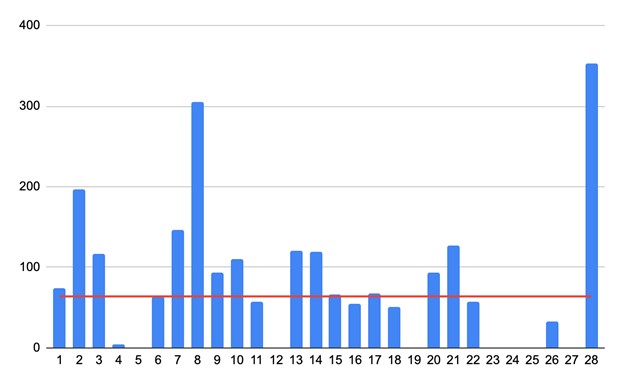
Let’s look at an example. In February 2023, a large customer handed Testory a process that included 2240 hours of work, 1321 of which were outside business hours.

As you can see on the graph, the load placed on testers was anything but even. There are a thousand reasons why that could be. Some peaks outpaced the capacity of a full-time team working regular hours, though expanding the team would have resulted in team members sitting around the rest of the time.

All that makes sense on the graph. The red line represents hours, with eight full-time employees sufficient to cover the total of 65. As you can see on the graph, the load was more frequently heavier, meaning that team of eight wouldn’t be up to the task, though there were also times were they wouldn’t have had enough work.

How does it work?

The customer embeds crowd testing in their development pipeline, calling the process from their TMS as needed and running regress testing in our product with external testers.

When they submit work for crowd testing, our algorithms scour our pool to select the best performers in terms of knowledge, speed, and availability, then distributing tasks so we can complete a thorough product test in the shortest possible time. We then double-check the result, compile a report, and send the report to the customer. That’s how we fit N hours of work into N/X hours.

The customer can scale up testing whenever they want, then scaling back and paying nothing when they don’t have work to do. It’s an on-demand service.

Performers enjoy an endless stream of work that’s perfect for their skill set in addition to some that pushes them to learn and grow. For our part, we offer testers special skill- and knowledge-based courses, stable payment that depends on how many tasks they complete, and the opportunity to work from anywhere in the world.

What’s the bottom line?

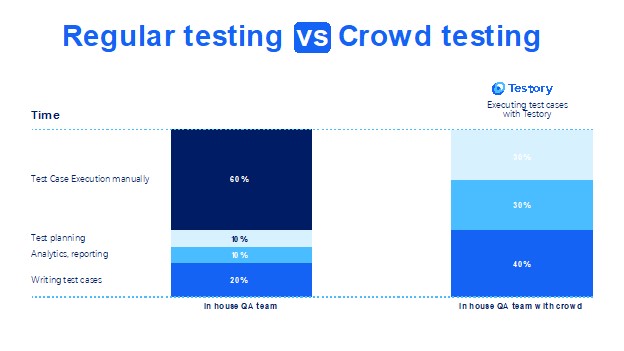
We free up resources our clients can rededicate toward interesting and higher-risk work, help out with peak loads, and streamline costs:

How can you get that for yourself?

Testory is a separate process and product born to help large companies. It’s for anyone trying to quickly deliver IT products that solve user problems. If you’re interested in leveraging our experience, get in touch, and we’ll build a roadmap for you.

Author

Mary Zakharova

Mary has been working with crowdtesting products for 6 years. She started her career as a community manager in a testers’ network.

In recent years, Mary has been in charge of the Testory product

Testory is an EXPO Exhibitor partner at EuroSTAR 2023

Filed Under: Software Testing, Uncategorized Tagged With: 2023, EuroSTAR Conference

  • « Previous Page
  • Page 1
  • Page 2
  • Page 3
  • Page 4
  • …
  • Page 8
  • Next Page »
  • Code of Conduct
  • Privacy Policy
  • T&C
  • Media Partners
  • Contact Us

part of the