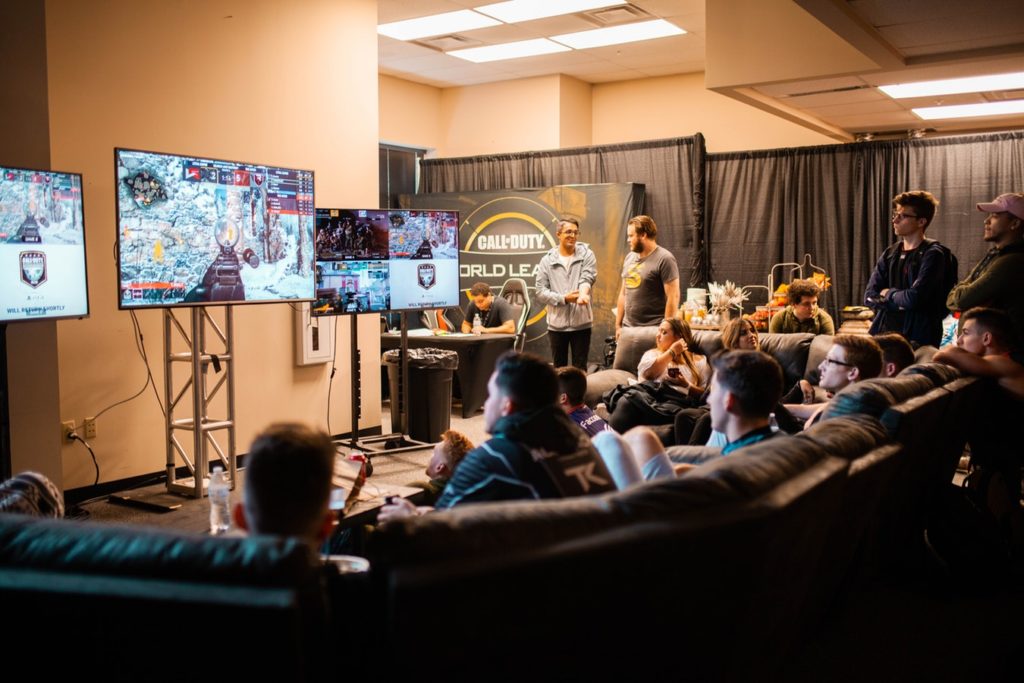
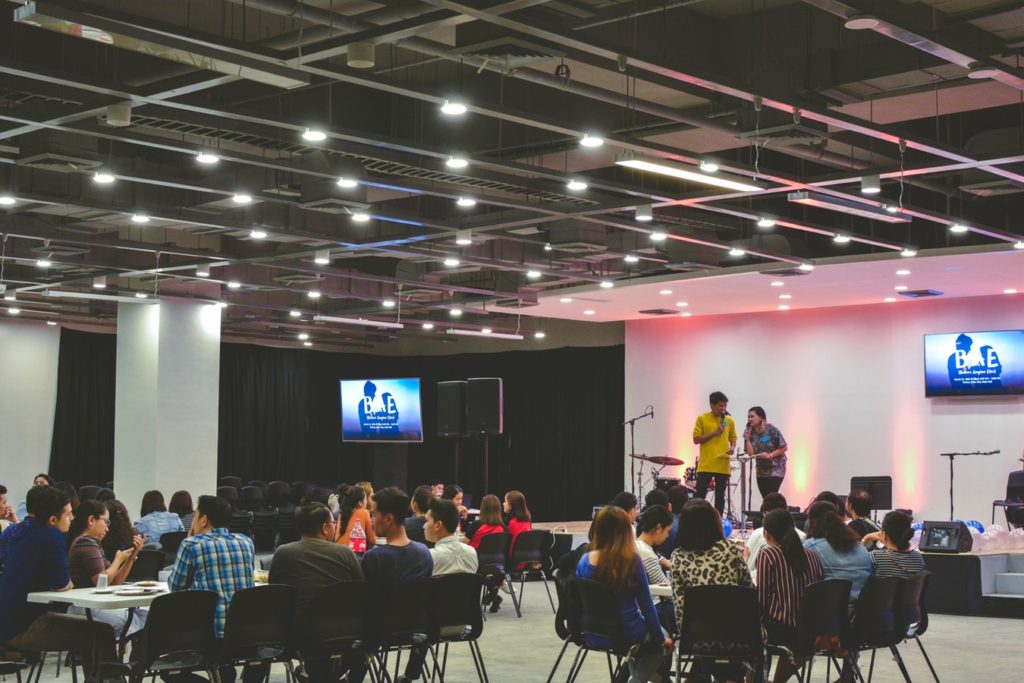
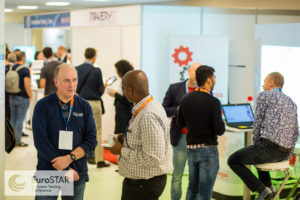
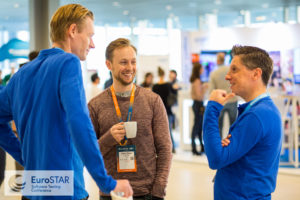
A big thank to all of you that made last year’s EuroSTAR session “Women in Testing” in den Haag awesome. We had such a lovely time collaborating with all of you. Unfortunately the area was not the best suited space, but we all made the best of it and had a blast 🙂
What we did in 2018
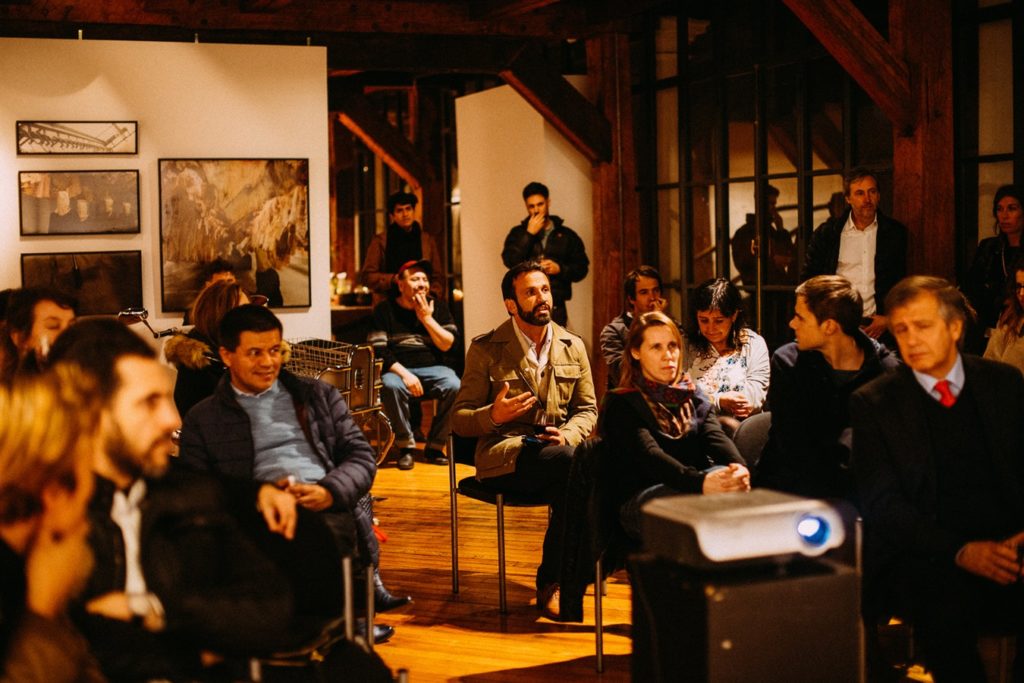
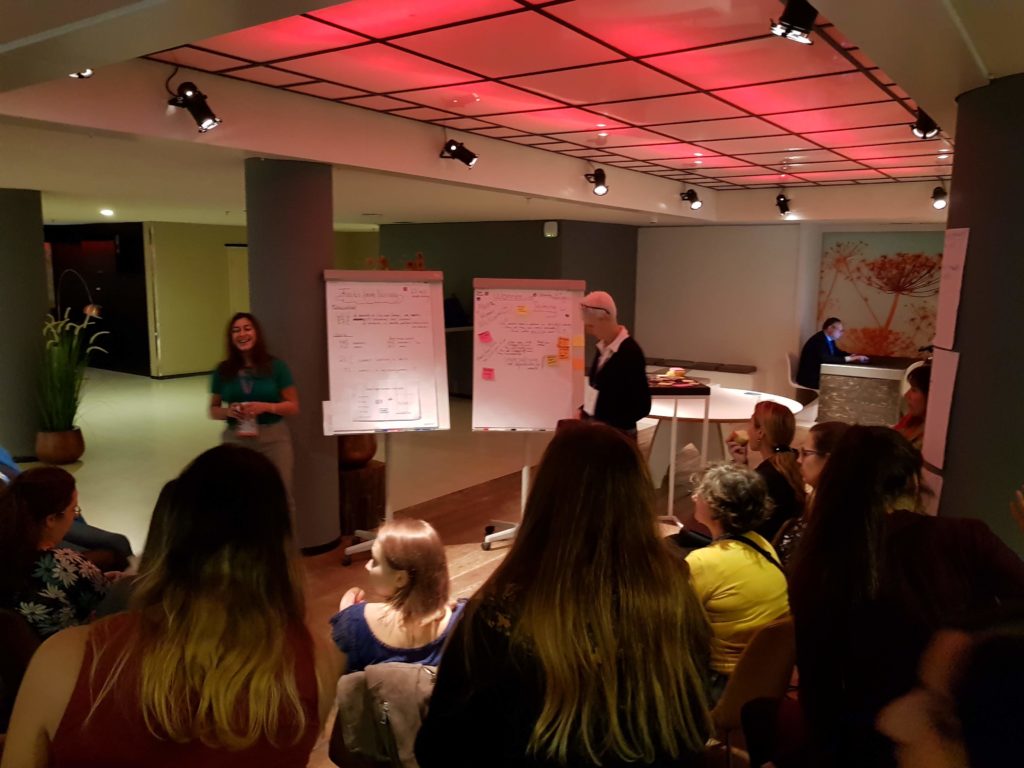
We wanted this session to be as much of a collaboration as possible so basically before the session, from lunchtime Tuesday until late coffee break Wednesday we spent time in the community area to promote our session. Here we had come up with some ideas that we wanted to discuss with you and encouraged you to write down key words, interesting information that we could bring along to the session. Already here we started to get some good talks going. Since so many of you turned up for the session, we found that we needed to divide us all into groups to make sure we would get as much input from all of you as possible. It was really great seeing you all being so committed/eager and hearing all the buzzing from the different groups.
We started the session with some information about Women in IT/tech in Norway, which lead to us also getting some similar information about other countries. See fact box at end.
We are so thrilled to share with you an overview of your thoughts on the different areas we ended up discussing
Do women have a problem in tech/test industry?
The answer here was unanimously, unfortunately Yes – we are still judged and questioned harshly, more than men are.At the same time there were comments that we should be aware that we do not want the goal to be that women should become like men. But we want the same chances and treatment.
So why are we not taken seriously?
We believe we are being stereotyped. This is deep rooted over years and lots of people are biased (both men and women). We also have some unconscious bias which is even more difficult to “deal” with. Some people felt that women strive for perfection more than men and together with having a lower self-esteem and confidence, which together with being sometimes more averse at risk taking and tendency to be more agreeable which in some areas is looked upon as being weak. These points can maybe explain some of the reason?
And what can You/We do about this?
From the answers we got here you obviously believe that this should start at an early age and go on throughout the years at school and later in the workplace.
For the parents they need to nurture the tech abilities. Parents must raise their children equal, then they will choose what they like instead of what they are expected (i.e. the expectation that girls like dolls and boys like cars) Start early to give girls access to tech toys and coaching.
Awareness of the “problem” is important together with having good role models. There should be more open appreciation of good work done by women and both women and men should support each other. Also we should create safe spaces (not different ones for women) and do mentoring both by men and women. You also mentioned that women cannot (and should not have to) solve this alone. We need allies to support women testers, we need to have men and women in position of power who enforce equal treatment and education. Women must be more assertive, assert power, be less hesitant. (comments from us which is our prerogative J remember we want to be judged by who we are and do not want to become a man to achieve this).
Are you a girl/guy geek? Do you like IT?
With this question we thought we could maybe find some areas we could emphasize for helping women to become more confident and hence treated in the way we want. Not quite sure if we managed that, but here are your answers anyway.
Most of you answered positively to this. You commented like: This is part of who I am. I like: Star Trek, Star Wars, Lord of The Rings, Harry Potter, Gaming, so I like other geek stuff, not just in work. Not only in IT but also in everyday life. My background is not technical, but I LOVE testing. We liked that the rest of your answers/comments reflect that you caught up on our double question (do you like it (being a geek) do you like ITJ) Thank you so much, made our day.
Your comments range from math and coding is fun to the importance of diversity in the workplace. You mention that pretty much everything depends on IT, you need logical thinking and programming is not subjective. To find solutions empowers and problem solving gives satisfaction. You are able to combine soft skill like good communication and interpersonal skills with technology. The more complex something is, the more interesting it gets. In IT you not only learn new things, but you learn new things first. And of course we had a couple of comments about more guys as co-students colleagues and friends.
Finally we like to share the facts you gave us from your own countries:
Norway:
60% of all students at the universities are women
26% women working in tech and 17% women in top IT management
Estonia:
Population 3:1 (Women/Men)
Working in tech 2:10 (Women/Men)
Belgium:
55% testers are women in our company
The Netherlands:
13% of women in higher tech educational jobs
France:
70% women testers in off shore team in one company
Colombia:
60% women testing service company
UK:
50% women in test, 20% women in development in one company
Italy:
20% women in testing in one company
Thank you all so much for attending last year’s women in testing session and making this such a great happening.
Plans for EuroSTAR 2019 in Prague
This year we will run a Diversity & Inclusion session on Thursday afternoon of the EuroSTAR Conference and we hope to have some more facts for you, and to think more not just about women in testing but about the wider diversity in testing.. To help us plan, we would really like to hear back from you about what was good and what was not so good at the session.
Also do you have any ideas about how to make it even more awesome let us know. Any special topics you would like us to raise/to discuss. This will only be as good as we make it ourselves. See you in Prague.
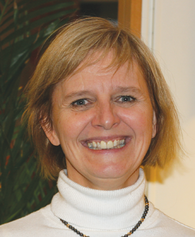
Fiona Ring Østensvig & Tone Molyneux
Share your Requests for this year’s Diversity & Inclusion Session – communications@eurostarconferences.com
 Does your website or mobile app create an inclusive experience for people? Does your organization incorporate accessibility standards for all its products? Did you know that accessibility is a legal mandate and a fundamental expectation in many countries? If the answer is yes, this workshop is for you.
 In my opinion testing conferences should be about … testing. Most testers know how to (or instinctively do) apply boundary value analysis and some other basic approaches and techniques. But what about some more advanced test design techniques?
 What happens when your working method and processes are turned upside down? A few years into my career, I was the test manager for a new project labeled as “extremely agile”. What I learned early on was that the way to develop a project from start to finish had changed.
 This workshop gives a firm grounding in what AI is, and what AI is not. We explore the deceptive nature of some AI, and the social and personal consequences of poorly designed and implemented AI. AI means that software is moving from deterministic outcomes, to a variable range of outcomes, which adds additional complexities, and responsibilities, on testing in the new future of AI. This tutorial gives you the knowledge and techniques to evolve your practice and update your skill set.
 “My AI was wrong,” but isn’t it more like “I was wrong about my AI”?
 In 1961, Stanislaw Lem, the author of science-fiction novels, raised an interesting problem in one of his books – when the number of computers in the world exceeds the ability of people to control them, the correctness of their operation will have to be verified also by machines: computers will test computers.
 In this workshop we will do an exercise called Guess The Number.